
Every spring, many Palm Beach County residents lock up their homes and head north for the summer, leaving the patio behind for four or five months of heat, humidity, and afternoon storms. It is an easy season to underestimate. Nobody is around to notice a cushion that stayed damp, a chair that shifted in the wind, or an umbrella left open through a thunderstorm. A short list of preparation steps before you leave keeps the patio in good condition and makes the fall reopening much easier.
Clean Everything Before You Leave
Dirt, pollen, and sunscreen left on furniture over a humid summer become an ideal food source for mildew. Wipe down every frame with mild soap and water, rinse, and let it dry fully. Pay attention to the undersides of tables and seats, where moisture and dust collect. The same care applies to cushions: brush off loose debris, clean with mild soap, rinse thoroughly, and let them dry completely on edge.
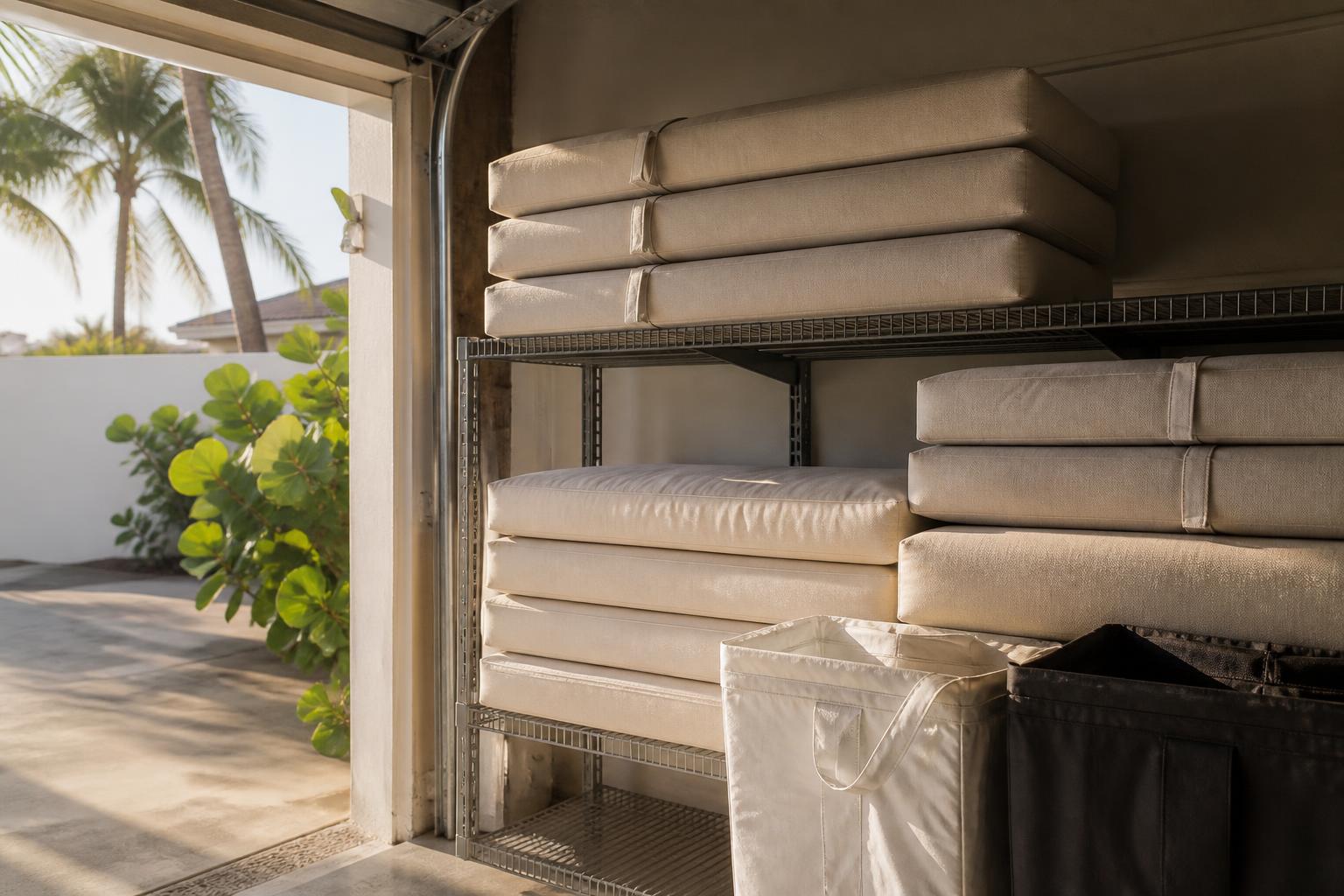
Drying is the step people rush. A cushion that is even slightly damp when it is stored can develop mildew within days in a closed space. Give cushions a full sunny day, and turn them so both sides dry. The U.S. Environmental Protection Agency’s guidance on mold cleanup in your home underscores that moisture control is the key to preventing growth in the first place.
Store Cushions the Right Way
For a long absence, the best place for cushions is indoors, in a dry, ventilated room such as a closet or an air-conditioned storage area. Keep them off the floor, stack them loosely, and use breathable storage bags rather than sealed plastic. Sealed plastic traps residual humidity, which is exactly what you do not want during a Florida summer.
If indoor space is limited, a deck box in a shaded, covered spot can work for shorter periods, but a sealed box left in the heat is not ideal for months at a time. Our guide to outdoor cushion storage in the rainy season covers how to keep cushions from picking up moisture while stored. If someone will check on the house, ask them to look at the cushions once or twice during the summer.
Decide What Stays Outside
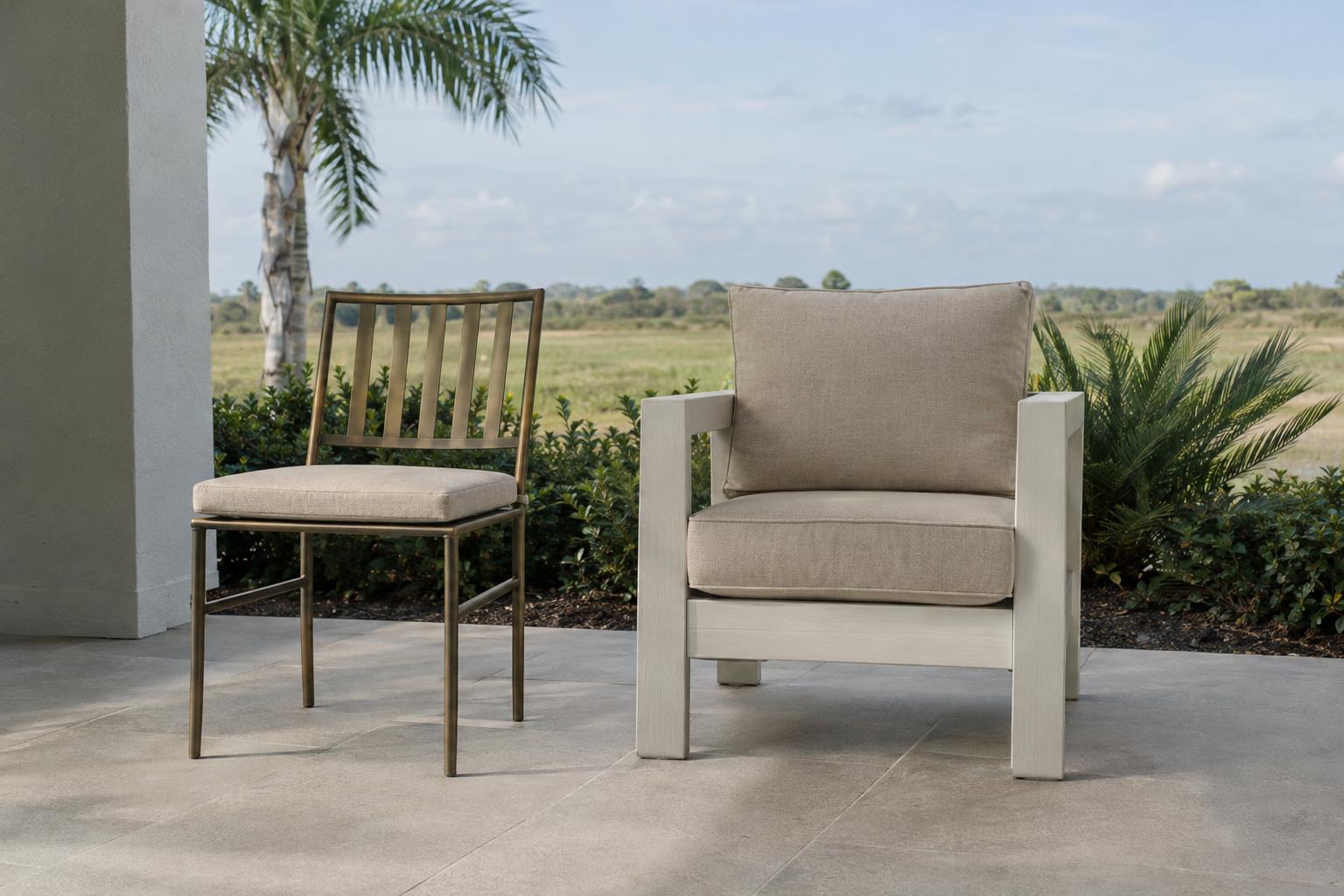
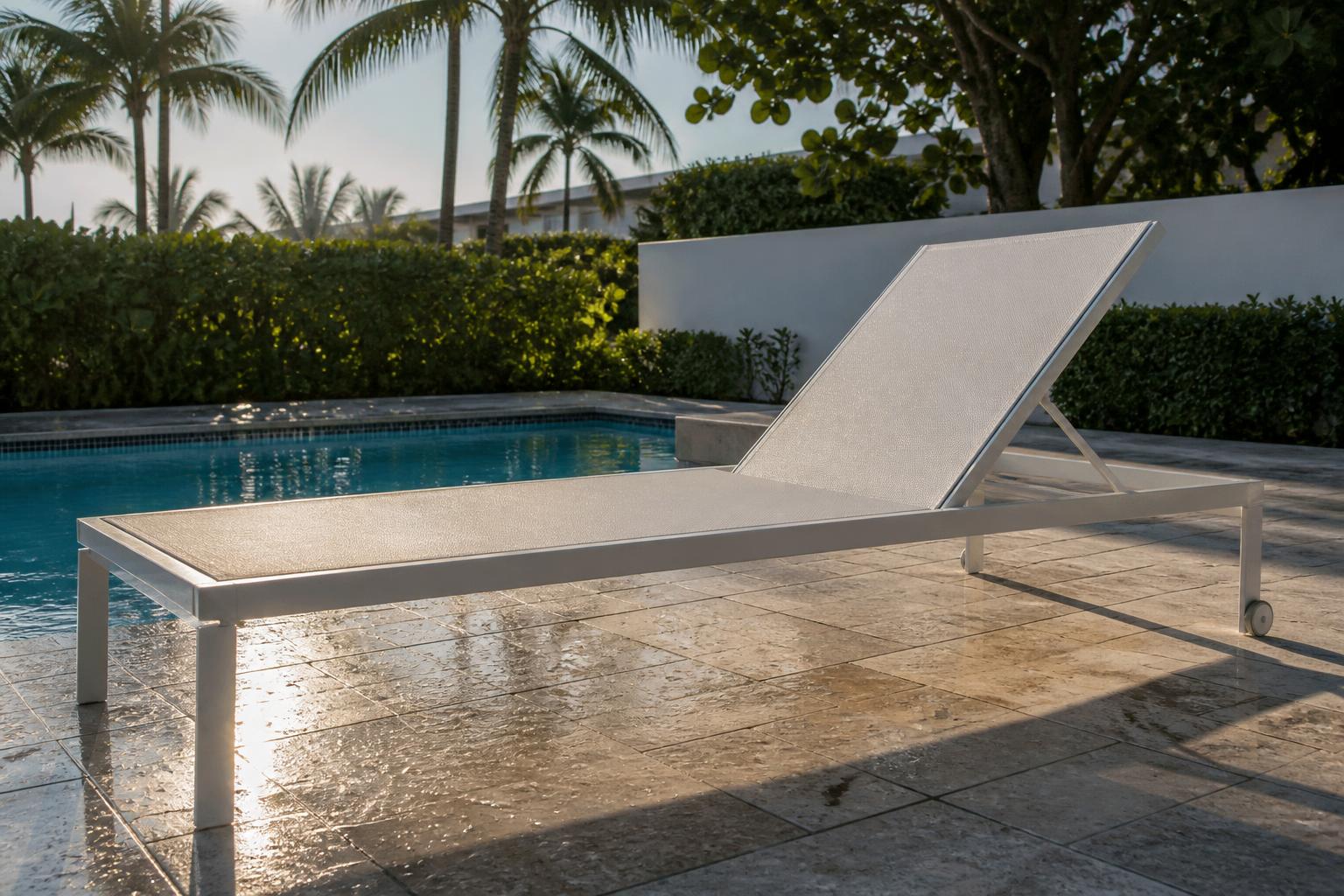
Not every piece needs to move. Frames made from aluminum, poly lumber, or PVC are built to stay outdoors, and leaving them in place is usually fine as long as they are clean and secured. Our article on protecting aluminum furniture from salt air and humidity explains why a clean finish holds up better through the summer.
What should come inside or be secured includes lightweight accessories, umbrellas, loose cushions, and anything that could blow around in a storm. Lower and lock down what you can, and group lighter chairs together so they are less likely to shift. If a named storm is forecast while you are away, ask a neighbor or property manager to follow the steps in our patio furniture storage checklist for hurricane evacuations.
Umbrellas and Small Items
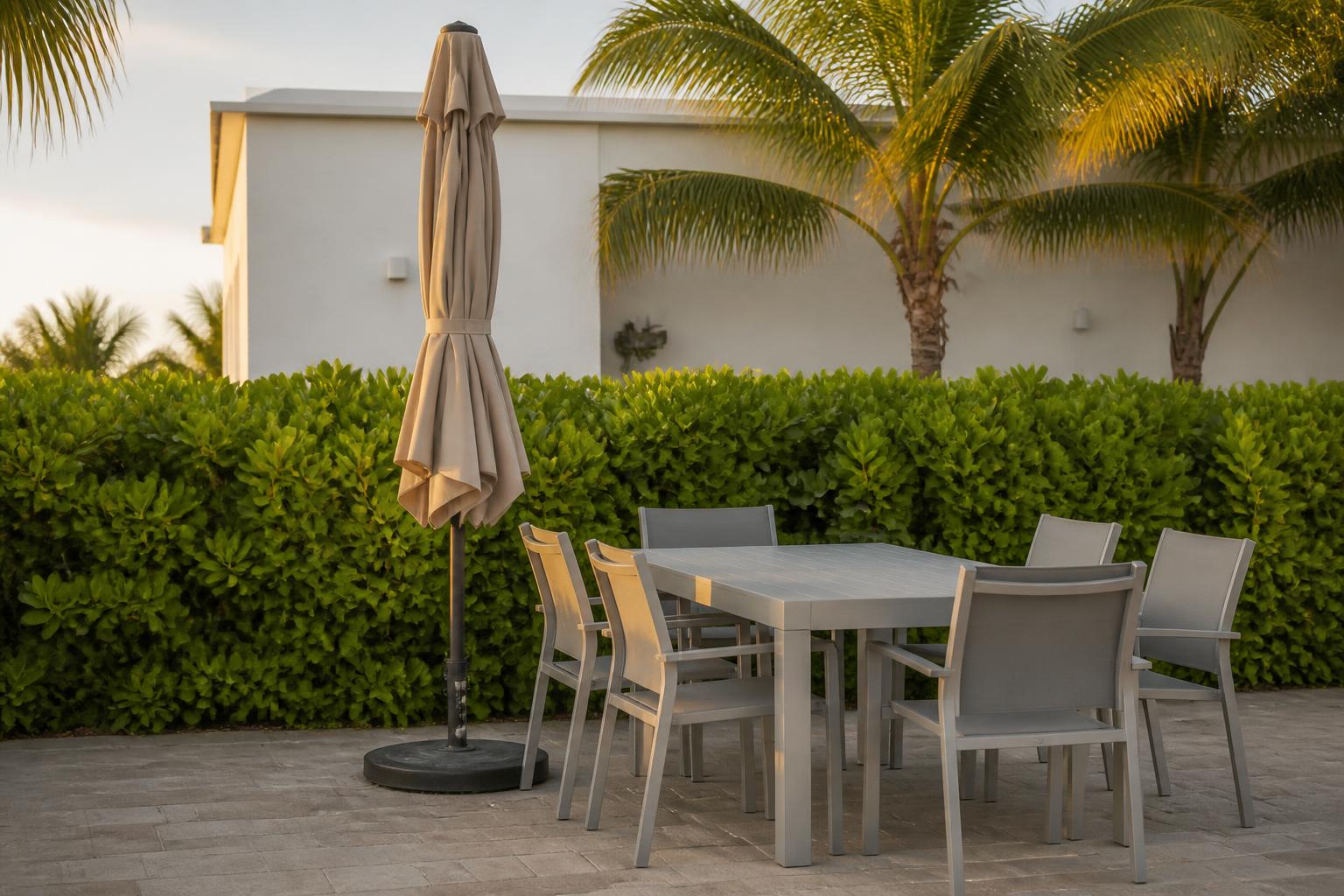
Umbrellas are one of the most common casualties of a long absence. Close the canopy fully, secure it with its tie, and if the umbrella can come down, store it indoors. A large canopy left up and open is easy prey for summer gusts, and one storm can bend a frame or tear fabric beyond repair.
Small items such as candle holders and decorative accessories are easy to forget. Bring them in or group them somewhere protected. A cleared patio is also easier to check on and clean when you return.
Arrange a Mid-Summer Check
If you can, arrange for a neighbor, property manager, or house watcher to look at the patio once a month. The point is not to do any work, just to look for shifted furniture, standing water, or signs of mildew. Catching a small problem in July is far easier than discovering it in November. A short written list of what to check, and who to call, helps whoever is looking in on the property.
Ask them to make sure cushion storage is still dry, that doors and screens are secure, and that nothing has fallen or shifted. If you have outdoor furniture in a spot that collects rain, it is also worth asking them to tip out any water that has pooled.
Reopening in the Fall
When you come back, the cleanup should be light. Wipe down frames, inspect cushions for any musty smell, and air them in the sun before putting them back. If a cushion or fabric shows persistent staining, our guide to replacement patio cushions explains your options. Seasonal residents may also want to read our advice on snowbird-ready balcony furniture, which covers furniture choices for homes that sit empty part of the year.
Screens, Doors, and the Surrounding Space
A furniture checklist is only part of closing up. Confirm that screens are intact and doors are latched, because a torn screen lets in rain, leaves, and insects that will settle on cushions and frames. Clear leaves and debris from the patio floor so water drains properly instead of pooling around the furniture legs. If your patio has a drain or a low spot where water gathers, place lighter items on higher ground.
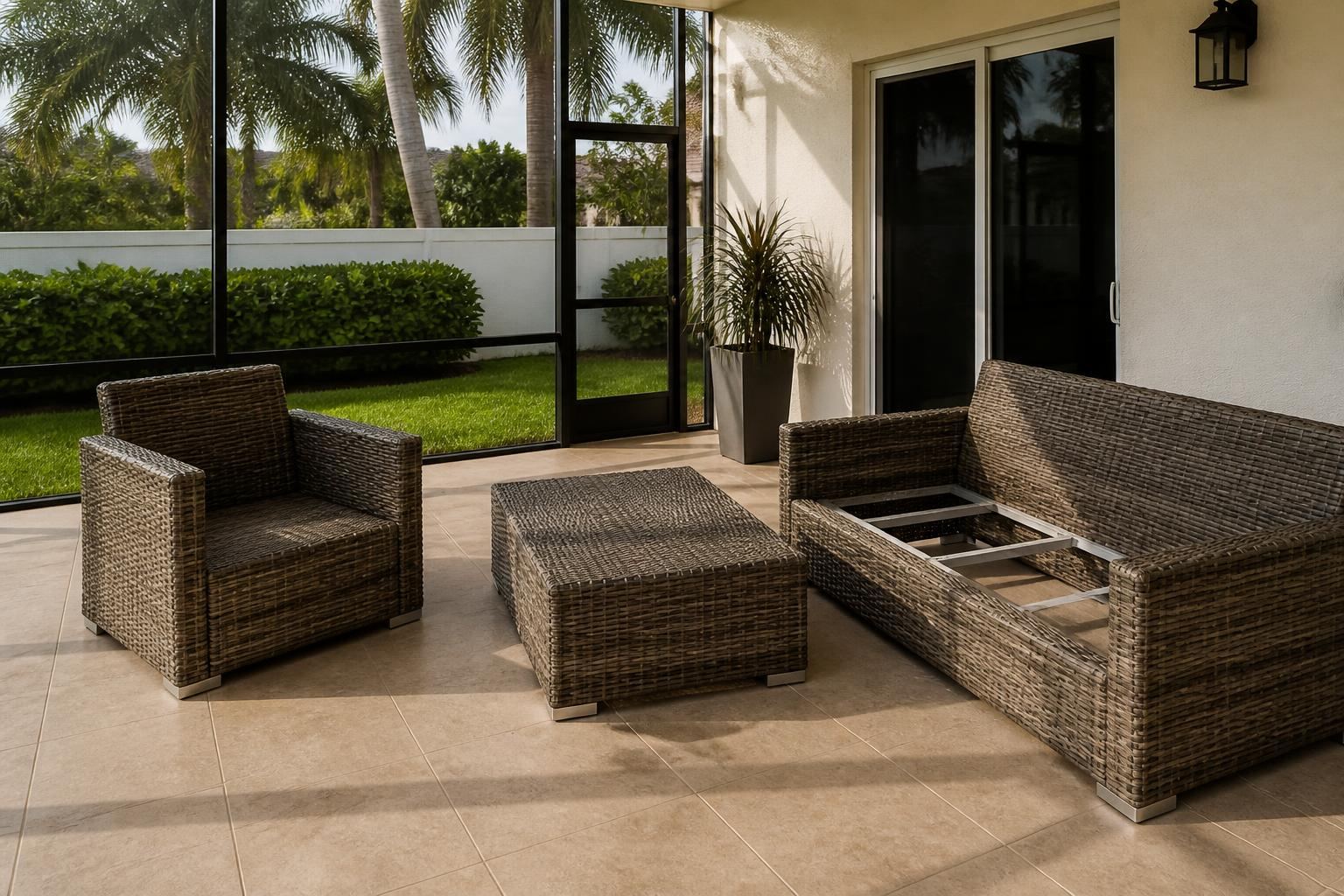
It also helps to move furniture slightly away from walls, so air can circulate behind it and any moisture that does collect has a chance to evaporate. Furniture pushed tight against a wall or planter can hold humidity against the surface and encourage mildew in exactly the place you will not see it. A few inches of separation costs nothing and makes a real difference over four hot, wet months.
Finally, keep notes. Write down what you moved, where you stored it, and who has a key. When you return in the fall, that short list saves you from searching the garage for a missing umbrella base or wondering which cushions belong to which set. It is a small habit that makes both leaving and returning far less stressful, and it is especially useful if a caretaker or house watcher needs to move things in a hurry ahead of a storm.
Small preparations add up. A patio that is clean, dry, and tidy when you leave is one that is far more likely to be exactly the same when you return, and that peace of mind is worth the hour it takes to do it right before you head north.
Frequently Asked Questions
Can I leave cushions outside all summer?
It is not recommended for a long absence. Constant heat, humidity, and rain make mildew and fading much more likely.
Is a plastic bag a good way to store cushions?
Only if the cushions are completely dry and the bag is breathable. Sealed plastic can trap moisture and encourage mildew.
Should I cover my furniture while I am away?
Breathable covers can help keep off dirt, but non-breathable ones trap moisture. Clean, dry frames often do fine uncovered.
What is the most important step before leaving?
Make sure everything is clean and completely dry before it is put away, since trapped moisture causes most summer damage.
If you would like advice on getting your patio ready, call us at (561) 972-4661 or visit our showroom at 105 Center Street in Jupiter.

About the Author
Chas Crofoot
Chas Crofoot is the owner of Beach House Patio Furniture, a family-owned outdoor furniture showroom in Jupiter, Florida. He specializes in wicker, cast aluminum, aluminum, poly lumber, and PVC pipe styles built to withstand the Florida climate, and helps coastal homeowners choose materials for durability and comfort.