

When a storm warning goes up for Palm Beach County and evacuation becomes a real possibility, patio furniture is rarely the first thing on anyone’s mind, but leaving it unsecured can turn it into a hazard for your own home and your neighbors’ during high winds. We put together this checklist for clients who want a quick, repeatable plan for securing patio furniture before an evacuation, rather than scrambling at the last minute.
Before You Evacuate: The Core Checklist
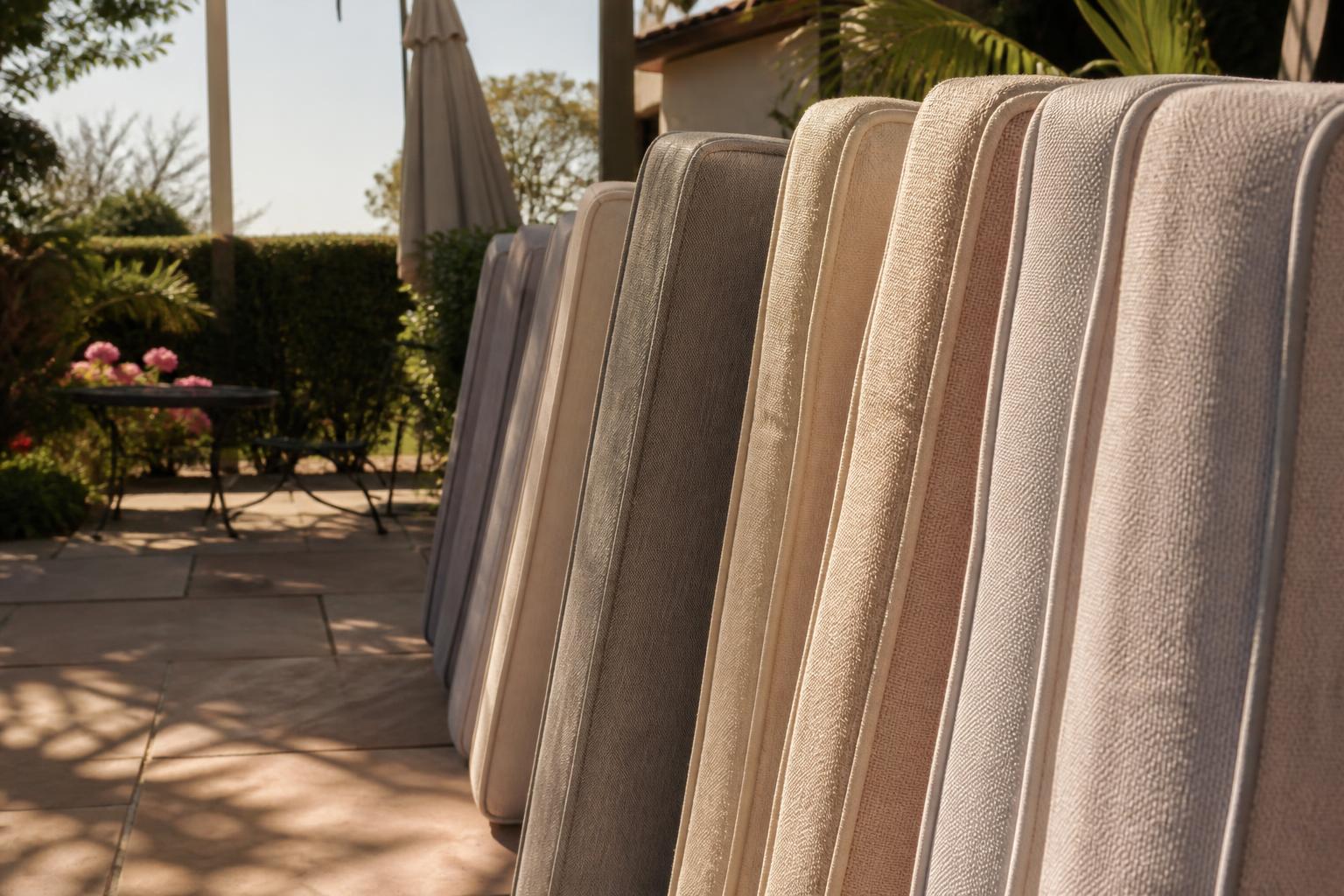
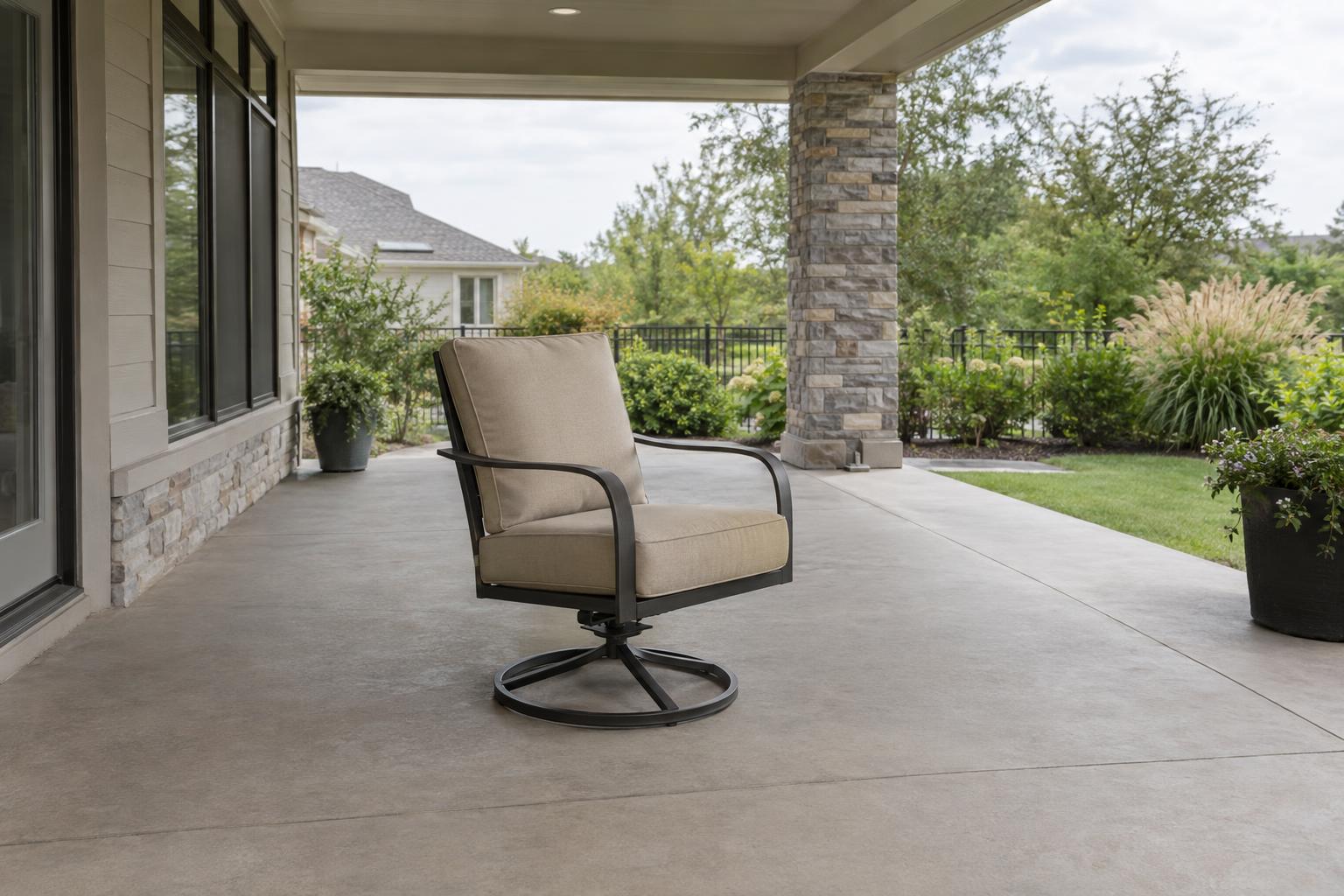
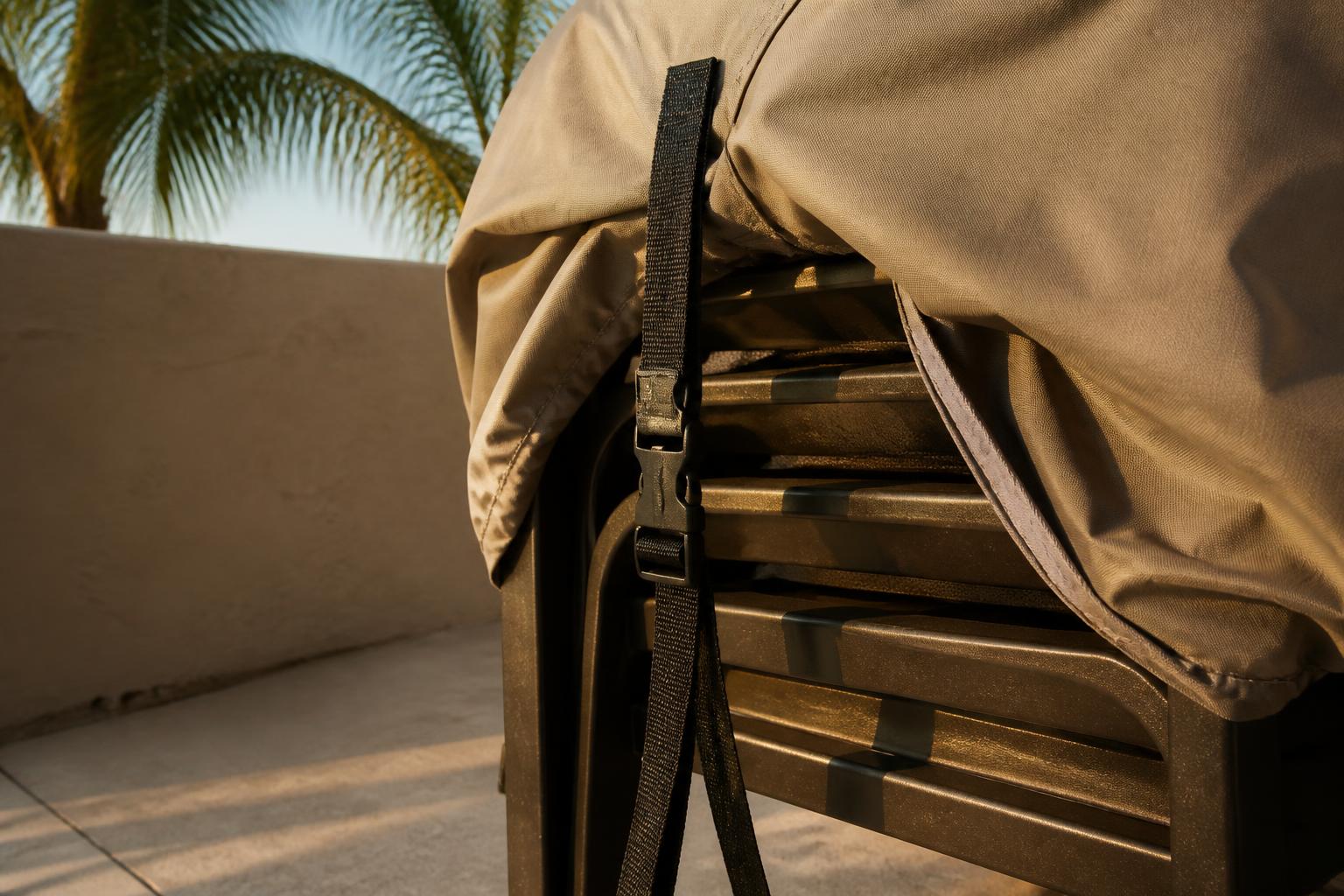
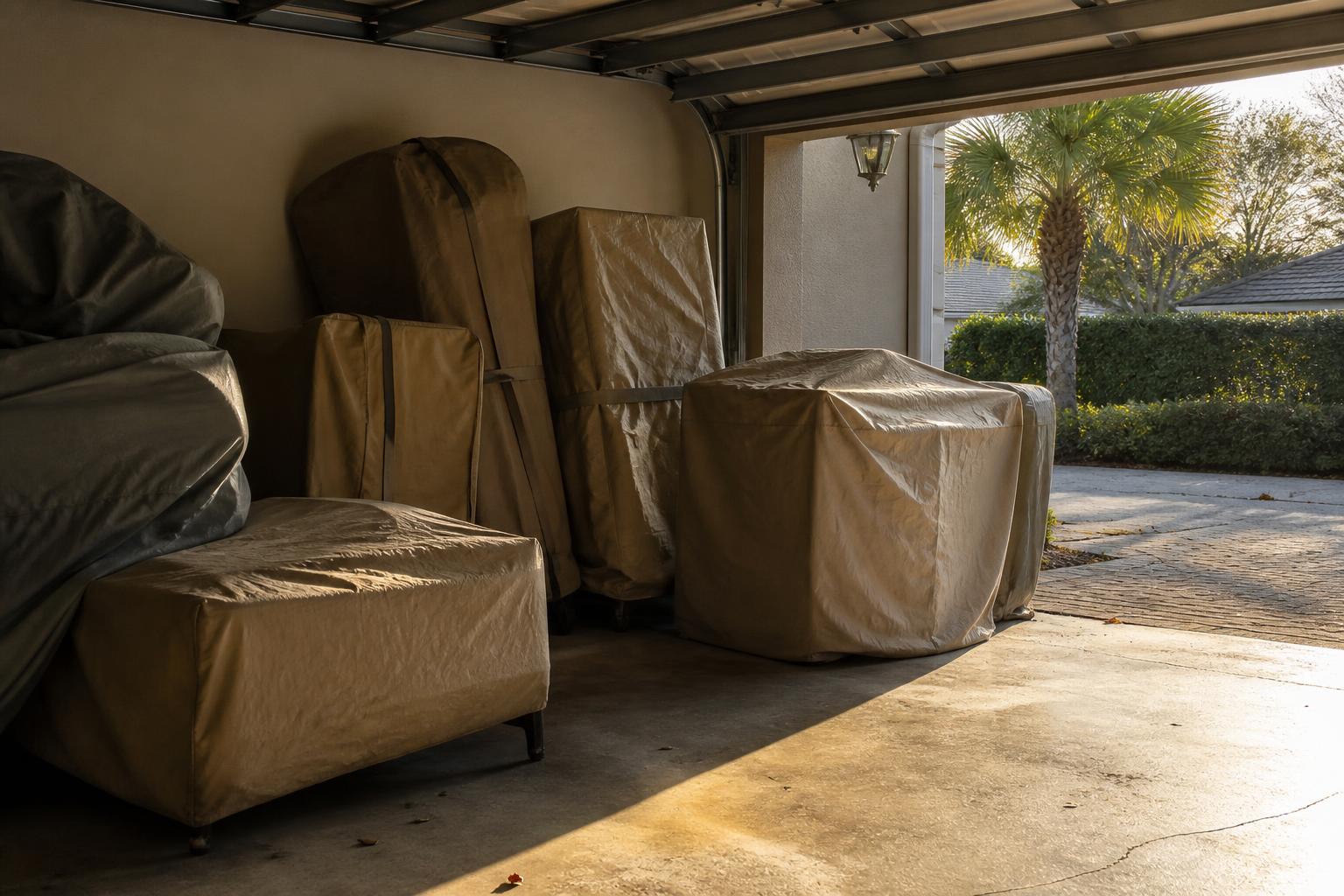
Start with anything lightweight enough to become airborne in high wind, cushions, umbrellas, small side tables, and decorative accessories. These should come inside first, either into the home itself, a garage, or a storage closet if space allows. If you don’t have room to bring larger pieces indoors, the next best option is grouping and securing them rather than leaving them spread out and loose. Stacking chairs together and securing the stack with rope or straps to a fixed point, like a railing or a heavy anchored object, reduces how far they can move if winds pick them up.
Tables that can’t be moved indoors should be laid flat against the ground where possible, rather than left standing, since a flat table presents less surface area for wind to catch. If you have a pool cage or covered lanai, moving furniture as far under cover as possible, away from any glass or screen panels, reduces the chance of both wind damage to the furniture and impact damage to the structure around it.
Protecting Furniture With Covers
If furniture has to stay outside and can’t be fully secured or brought in, weather-rated furniture covers offer some protection against wind-driven rain and debris impact, though they’re not a substitute for actually securing or storing pieces ahead of a major storm. Make sure covers are tied down or strapped rather than just draped over furniture, since a loose cover can itself become a wind hazard. This approach works best for lighter storms or tropical storm warnings rather than a direct hurricane landfall, when moving furniture fully indoors or into secure storage is the safer choice.
After the Storm: What to Check
Once you’re able to return home, check furniture for hidden damage even if it looks fine on the surface. Metal frames should be checked for new rust starting points where protective coating may have been scratched or chipped during the storm. Cushions and fabric pieces that got wet should be dried out fully and checked for mildew before being used again, since trapped moisture in storage can cause damage that isn’t visible right away. If any pieces were left outside and took direct wind or debris impact, check for cracks or stress points before sitting on or leaning weight against them again.
Building a Repeatable Storage Routine
Because Palm Beach County sees storm activity every hurricane season, it’s worth setting up a storage routine you can repeat quickly rather than figuring out a plan from scratch each time a watch is issued. Keeping straps, rope, and any furniture covers in one easily accessible spot, rather than scattered across the garage, means you’re not searching for supplies while also trying to pack for an evacuation. A simple written checklist taped inside a closet or garage door can also help if someone other than you, a family member, a neighbor, or a property manager, ends up handling the securing process on your behalf.
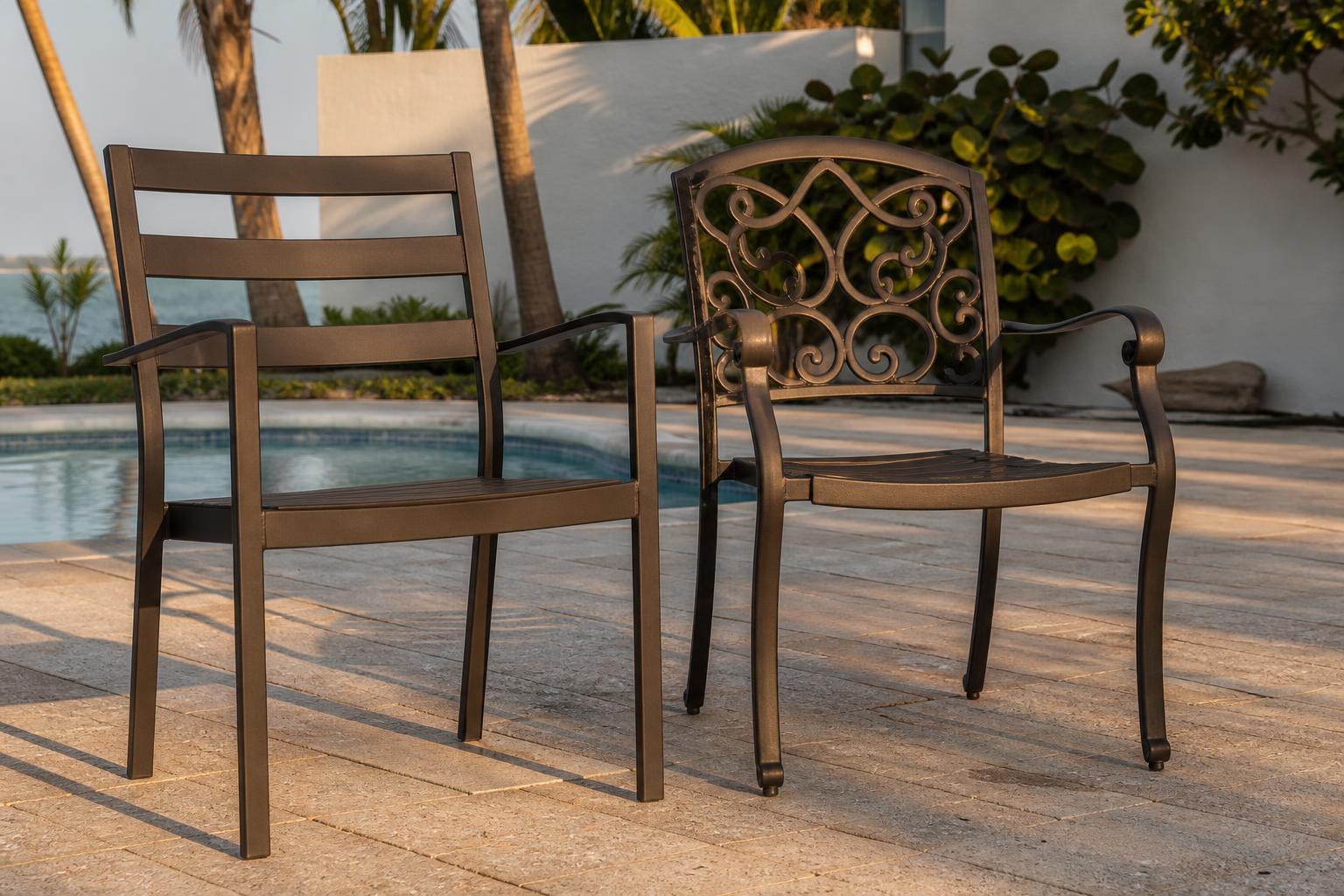
If you know your household evacuates for most storm warnings rather than riding them out, it’s worth choosing patio furniture with evacuation prep in mind from the start. Lighter aluminum pieces and modular sets that break down into smaller, stackable components are simply faster to secure or move than large, heavy, single-piece furniture when you’re working against a closing time window before a storm.
What to Have on Hand Before Storm Season Starts
Rather than shopping for storm supplies once a watch is already issued, it’s worth keeping a small kit ready at the start of each hurricane season. Furniture straps or rope, a couple of large moving blankets or old towels to pad pieces stored close together in a garage, and a permanent marker to label which box or bin holds which cushions all make the actual evacuation-prep process faster when time is short. If you have furniture covers, checking that the elastic or tie-down straps on them are still in good condition before the season starts, rather than discovering a worn strap during an actual storm, is a small step that pays off.
Choosing Furniture With Storm Season in Mind
If you’re purchasing new patio furniture and know you’ll be securing or moving it for storms regularly, it’s worth factoring that into your selection from the start rather than as an afterthought. Sets designed with storm-prone markets in mind often include design details like removable table tops, legs that detach without tools, or nesting chairs that stack more compactly than a standard design. Asking about these features when you’re shopping, rather than only after your first storm season with a new set, can save meaningful time and effort every time a watch or warning is issued going forward.
Our showroom team can point out which current sets are specifically built with easier breakdown and storage in mind if hurricane preparedness is a priority for your household’s next purchase.
Helping Neighbors and Family Prepare Too
If you have neighbors who are seasonal residents, elderly, or simply new to Florida and unfamiliar with hurricane prep routines, sharing a simple furniture securing checklist can genuinely help prevent damage on your street beyond just your own property, since unsecured furniture from one yard can become a hazard for a neighboring home during high winds. Some Palm Beach County communities coordinate informally before a storm, checking in on neighbors who may need help moving or securing larger furniture pieces. Being part of that informal network, even just checking in on one or two neighbors before you evacuate yourself, is a small step that adds up across a community facing the same storm.
Frequently Asked Questions
Should I store patio cushions inside every time there’s a storm warning?
For any storm strong enough to prompt an evacuation order, yes. Cushions are lightweight and among the first things to blow away or take on water damage, so bringing them inside is worth the extra step.
Is it safe to leave heavy furniture like a dining table outside during a hurricane?
Heavy furniture is less likely to become airborne, but laying it flat and securing it, or moving it into a garage or under solid cover if possible, is still safer than leaving it standing and exposed.
How do I know if my patio furniture was damaged by a storm even if it looks okay?
Check metal frames closely for chipped coating and early rust spots, and check fabric and cushions for trapped moisture or mildew, since both types of damage can develop after the storm has passed.
What furniture is easiest to secure quickly before an evacuation?
Lightweight aluminum pieces and modular or stackable sets are generally the fastest to secure or move indoors, since they can be broken down into smaller, more manageable components under time pressure.
If you’d like help choosing patio furniture that’s easier to secure or store ahead of storm season, visit our showroom or reach out through our contact page, and our team can point you toward pieces built with hurricane season in mind.

About the Author
Chas Crofoot
Chas Crofoot is the owner of Beach House Patio Furniture, a family-owned outdoor furniture company in Jupiter, Florida. Since 1979, Chas and his team have manufactured and sold high-quality patio furniture — specializing in wicker, cast aluminum, aluminum, poly lumber, and PVC pipe styles built to withstand the Florida climate. With over four decades of hands-on experience in outdoor furniture design and manufacturing, Chas brings deep expertise in material selection, durability, and comfort for coastal living.