
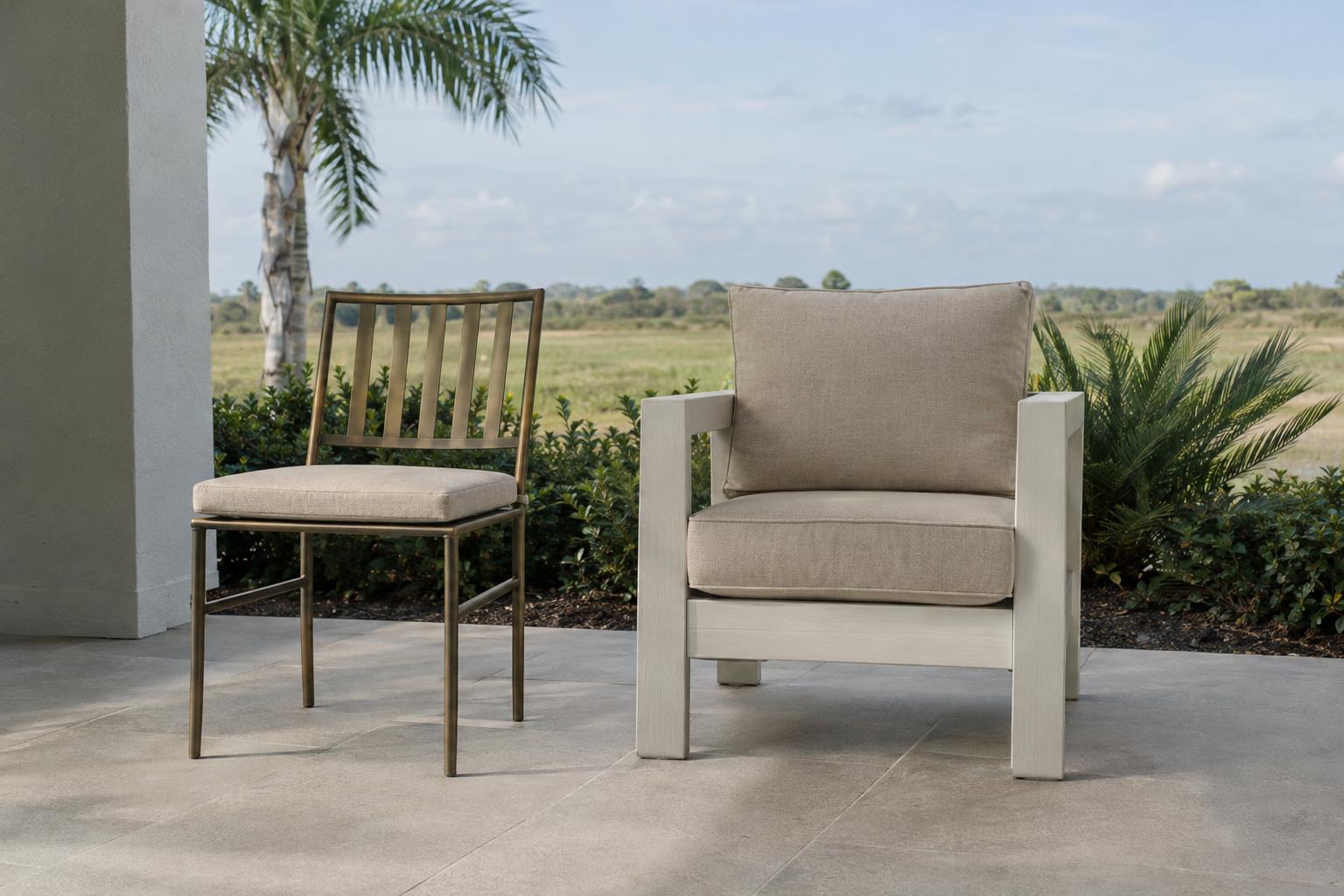
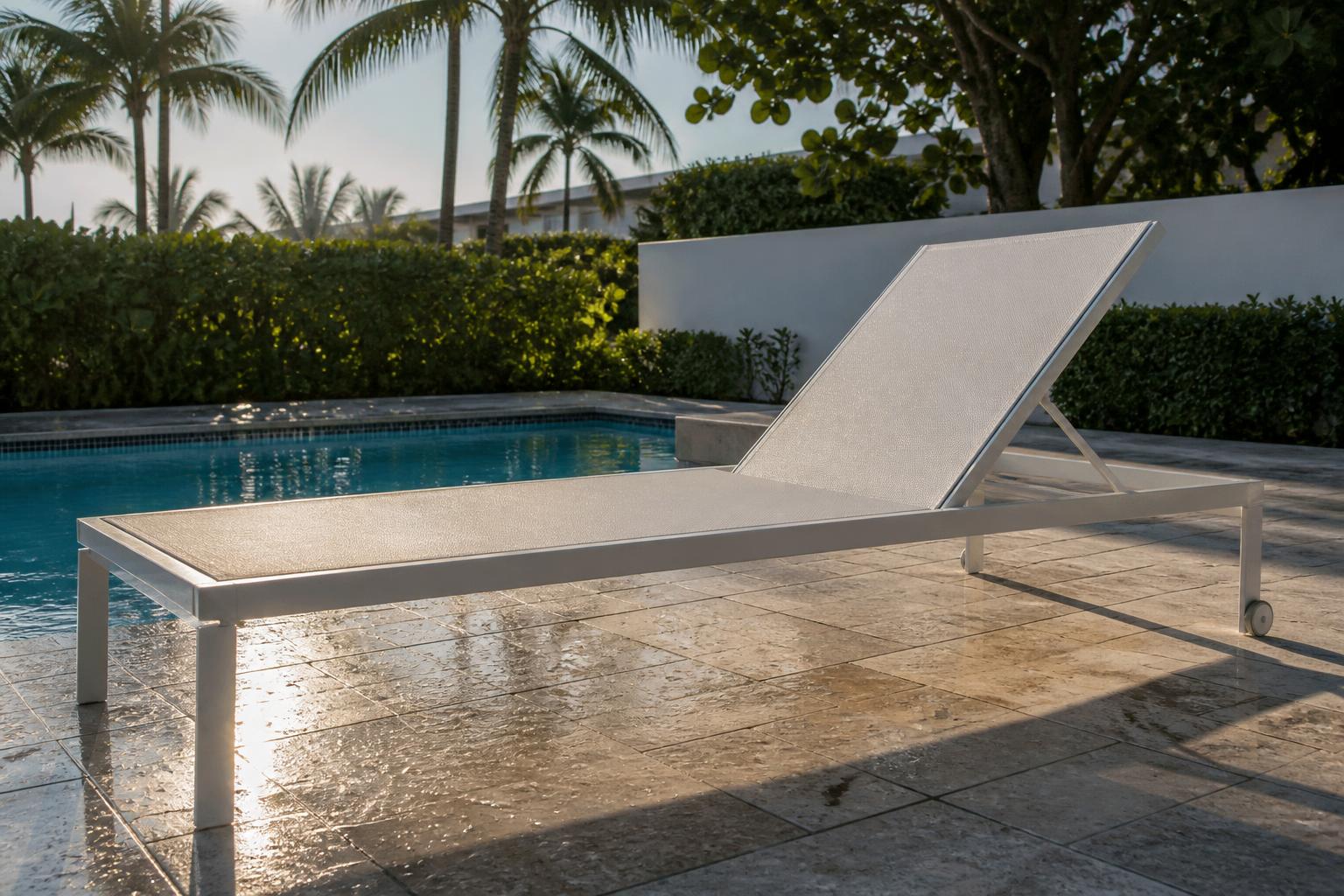
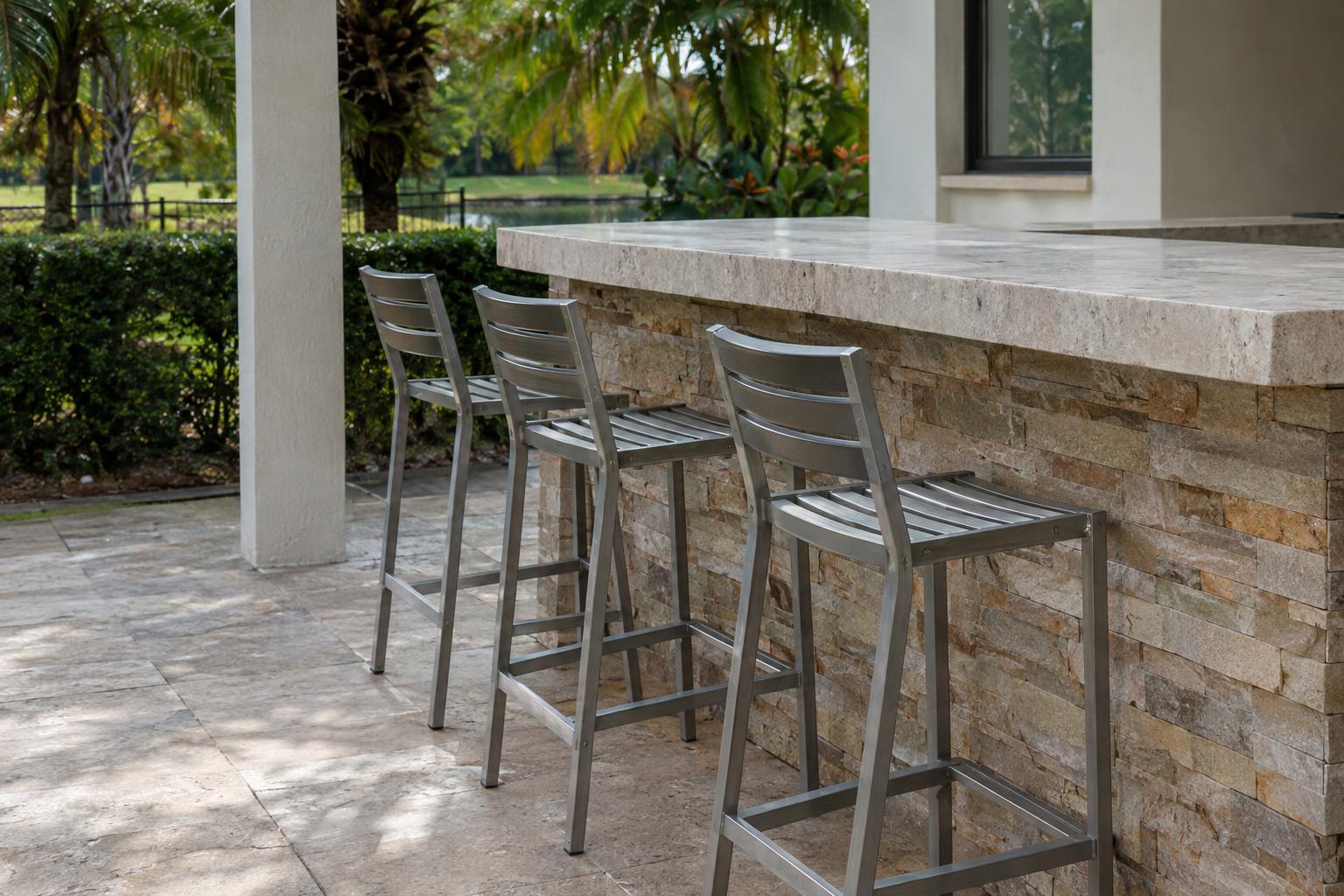
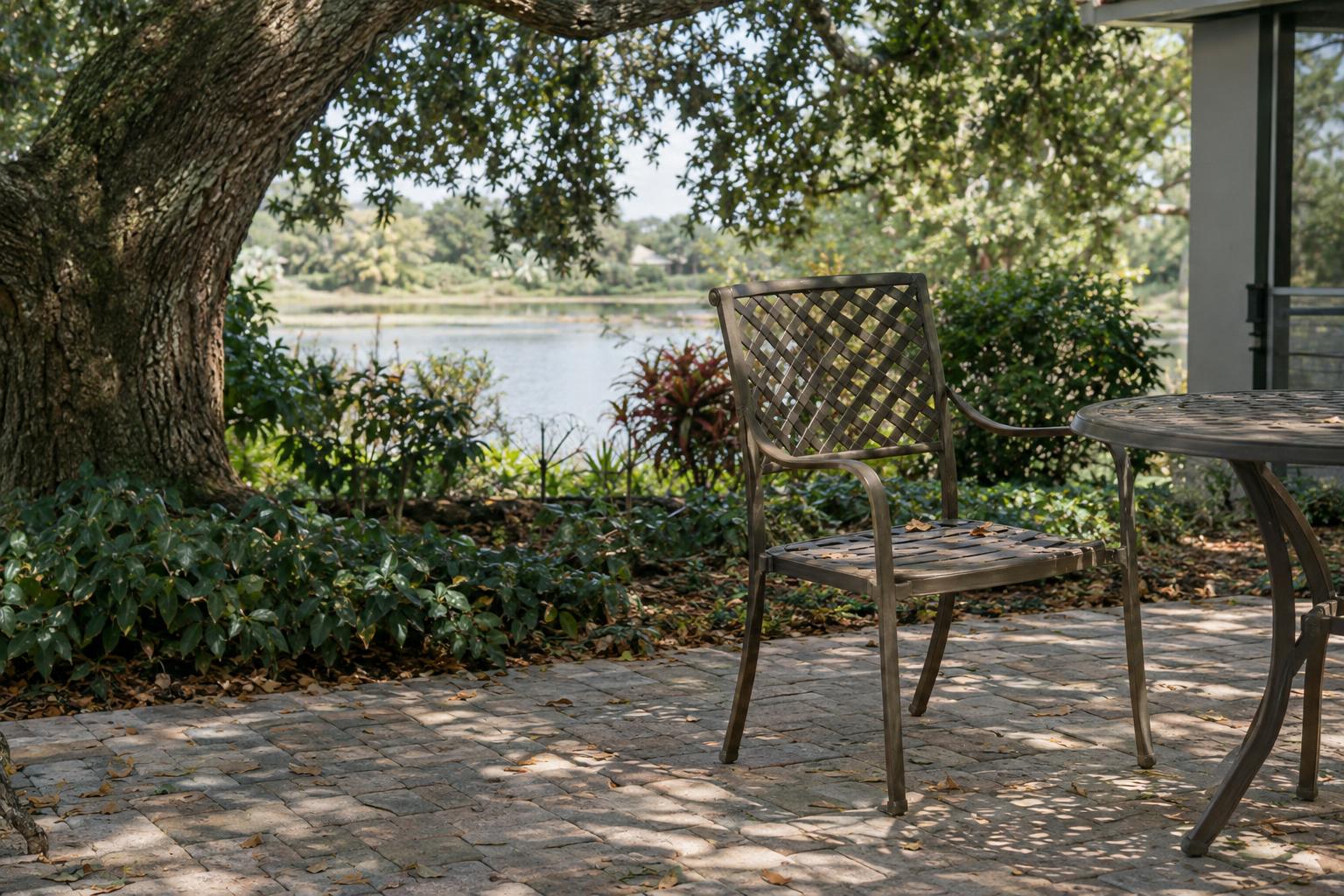
Anyone who has set a chair beneath a live oak or a coconut palm in South Florida knows how quickly the surface changes. A few days later there is a sticky film, a scatter of berries, or a pale splash from a bird overhead. If you want to protect patio furniture from tree sap and bird droppings, the good news is that a little planning and a short routine handle most of it.
This guide walks through what causes these messes, where to place your furniture to avoid the worst of them, and how to clean them gently when they happen. It applies whether your patio is in Jupiter, Palm Beach Gardens, Tequesta, or anywhere else with mature trees close to the house.
Know What You Are Dealing With
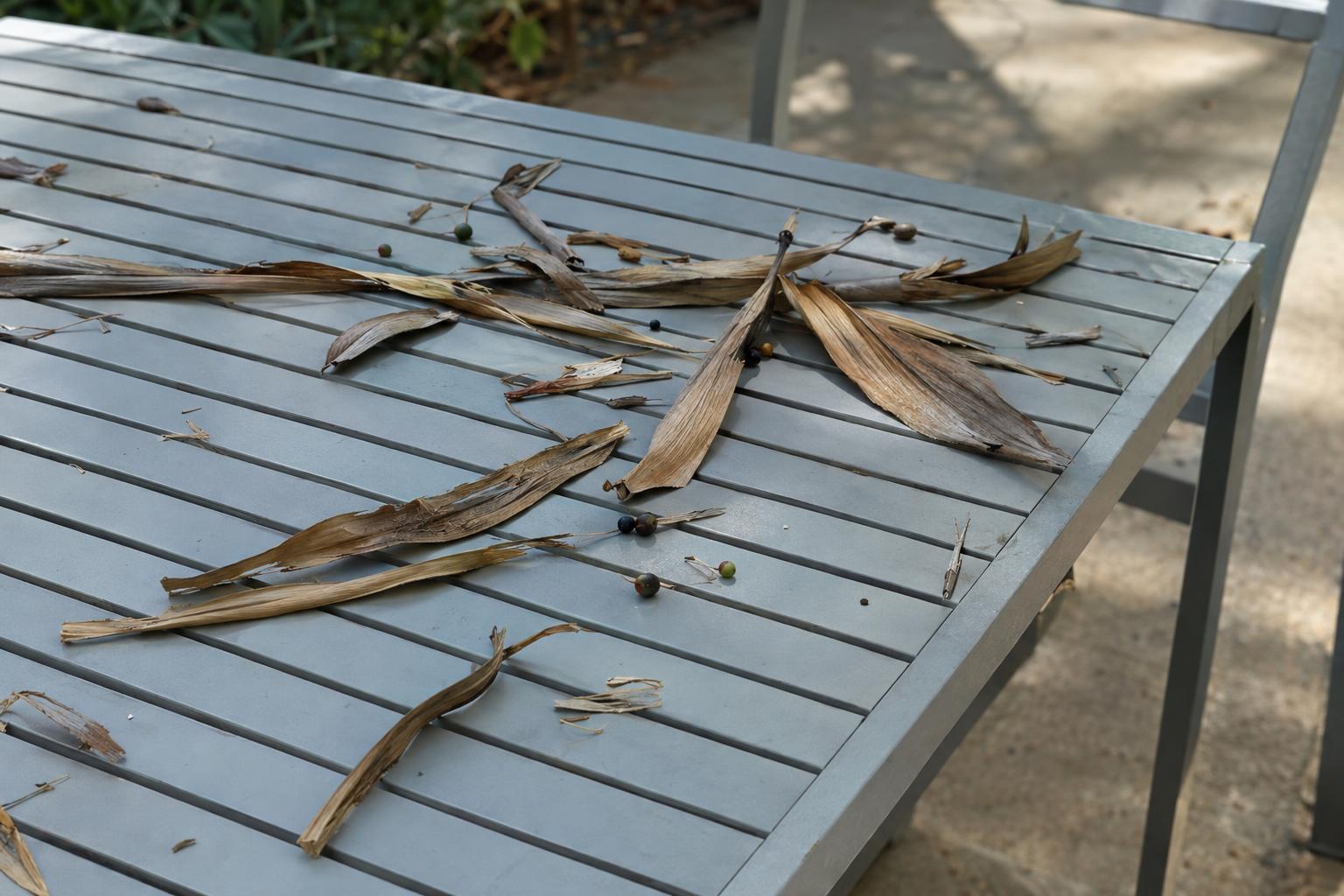
Three kinds of mess show up most often. Sap drips from some trees and feels sticky and glossy. Honeydew, a sugary film left by tiny insects feeding on leaves, lands on whatever sits below and attracts dust and mold. Bird droppings are the third, along with palm berries and bits of frond that fall and stick.
None of these are dramatic on their own. The trouble is time. Sticky residue collects pollen and grit, and droppings can leave marks if they bake in the sun. Treating them as a quick chore rather than a big project is the whole strategy, and the best time to start is before the first mess lands.
Fall and winter bring their own mix of leaf drop and migrating birds, so the routine is worth keeping all year rather than only in the busy summer months.
Why Prompt Cleanup Matters
Fresh messes are soft and wet, which makes them easy to lift. Left in the Florida sun for days, the same mess dries, hardens, and bonds to the surface. Some residue is also mildly acidic, and heat can make it harder to remove cleanly. We cannot promise that any surface will stay free of marks, but the sooner you wipe, the better your odds of a clean result.
Following the care guidance for your furniture is also worthwhile. Our overview of how to maintain your outdoor furniture covers the general routine that makes spot cleaning easier, because a surface that is rinsed regularly tends to release debris more readily.
Choose Placement Before You Need Cleanup
The easiest way to protect patio furniture from tree sap and bird droppings is to keep it out of the drop zone. Look up before you arrange anything. Notice which branches hang over the patio, where birds like to perch, and whether a palm sheds fronds or berries in one particular corner.
Avoid parking seating directly beneath a roosting tree, a feeder, or a birdbath. Move the dining table a few feet out from the canopy line if you can, and keep the lounge area on the side of the patio with open sky. Even a modest shift often cuts down the number of messes you deal with each week.
Trim Back and Shade Smartly
Trees give welcome shade, and the aim is not to lose it. Instead, think about trimming back low limbs that hang directly over seating. Thinning a canopy can reduce drips while keeping dappled light. Have a qualified tree service handle large branches, especially near the house or power lines, rather than taking on risky work yourself.
If shade is the reason furniture ends up under a tree, consider providing it another way, such as a covered lanai or an umbrella placed over the seating area. That way the shade comes from something you can wipe clean in minutes.
A Gentle Cleaning Routine That Works
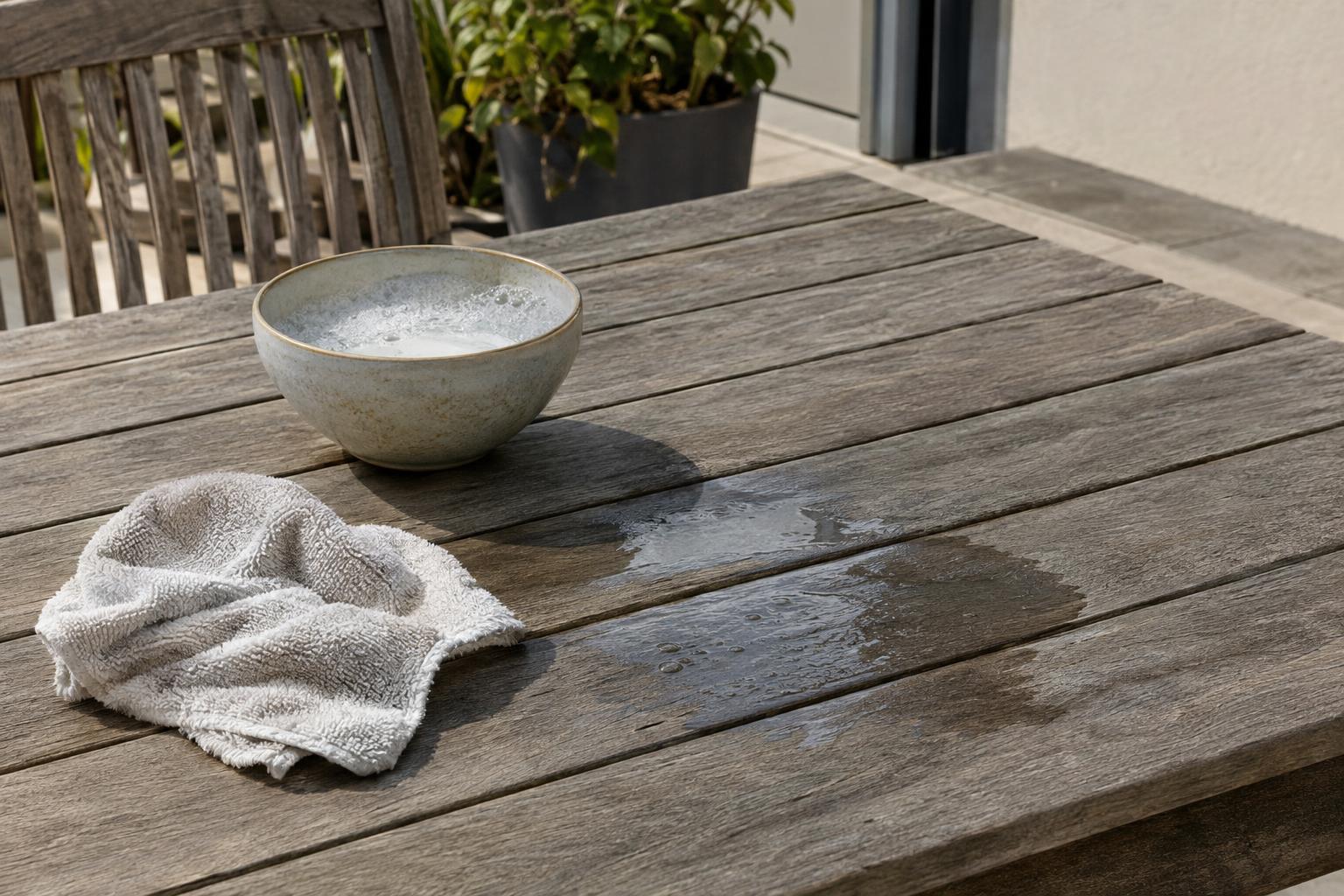
Start by softening the mess. Lay a cloth dampened with warm water over dried droppings or sticky spots for a few minutes. This loosens residue so you are not scrubbing. Then lift it away gently with the cloth rather than dragging it across the finish.
Next, wash the area with mild dish soap and water using a soft cloth or soft brush. Rinse with clean water and dry with a towel so water spots do not form. Avoid scraping with metal tools, putty knives, or abrasive pads, since they can scratch a finish and make the area collect dirt faster.
- Soften with warm water first, never dry scrubbing.
- Use mild dish soap, a soft cloth, and plenty of clean water.
- Rinse and dry fully before you step away.
- Test a hidden spot first if you are unsure how a finish will react.
Always follow the manufacturer’s care guidance for your particular pieces, and skip harsh products unless that guidance specifically calls for them.
Cushions, Umbrellas, and Fabric
Fabric is more forgiving to clean while a mess is fresh and less so once it dries. Blot rather than rub, because rubbing pushes residue deeper into the weave. Use a mild soap solution on a soft cloth, rinse by blotting with clean water, and let the cushion dry in open air.
Umbrellas catch more debris than people expect, since fronds and berries collect on top and in the folds. Brush off loose material before closing the canopy so it does not sit damp in the fold. For longer-term care, our guide to cleaning and storing outdoor cushions shows how to put cushions away fresh and dry.
Protect Finishes and Touch Up Marks
Metal frames deserve extra care because a finish that stays intact protects the piece underneath. Different finishes behave differently, and our comparison of powder-coated and anodized aluminum explains what each is and why it matters when you are choosing how to clean.
If cleanup or a fallen branch leaves a small scratch, deal with it early. Our walkthrough on touching up scratches on aluminum patio furniture covers what to do before a small mark becomes a bigger one.
Use Covers and Build a Weekly Habit
Fitted covers help when furniture will sit unused for stretches, such as a week away or the quieter months. Make sure pieces are dry before covering so moisture does not get trapped. Covers themselves collect debris, so shake them out and wipe them down occasionally.
The simplest habit is a two-minute weekly check. Walk the patio, look under and around the furniture, and wipe anything sticky or splattered. Wear gloves when handling droppings, and wash your hands afterward. One more note on wildlife: most native wild birds and their active nests are protected, so if birds are nesting nearby, do not disturb them. The Florida Fish and Wildlife Conservation Commission is a reliable place to learn about local wildlife rules before you trim or remove anything.
Frequently Asked Questions
How often should I check my patio furniture for sap and droppings?
A quick look once a week is enough for most patios. If you have trees directly overhead, glance at the furniture after windy days or storms too, since that is when the most debris falls.
Can I use a scraper to remove dried sap?
We suggest avoiding metal scrapers because they can scratch finishes. Soften the residue with a warm, damp cloth first, then lift gently and wash with mild dish soap and water.
Will cleaning always remove the mark completely?
Not always. Fresh messes usually come off easily, but old or baked-on residue can leave a mark depending on the surface. That is why quick cleanup and good placement are the best protection.
Is it okay to remove a bird’s nest above my patio?
Most native wild birds and their active nests are protected, so please do not disturb an active nest. Check with the Florida Fish and Wildlife Conservation Commission for guidance, and move your furniture out from under the area in the meantime.
Planning a patio that suits your trees, your shade, and your routine? Call Beach House at (561) 972-4661 or visit our Jupiter showroom at 105 Center Street, and we will be glad to talk through your space.

About the Author
Chas Crofoot
Chas Crofoot is the owner of Beach House Patio Furniture, a family-owned outdoor furniture showroom in Jupiter, Florida. He specializes in wicker, cast aluminum, aluminum, poly lumber, and PVC pipe styles built to withstand the Florida climate, and helps coastal homeowners choose materials for durability and comfort.