

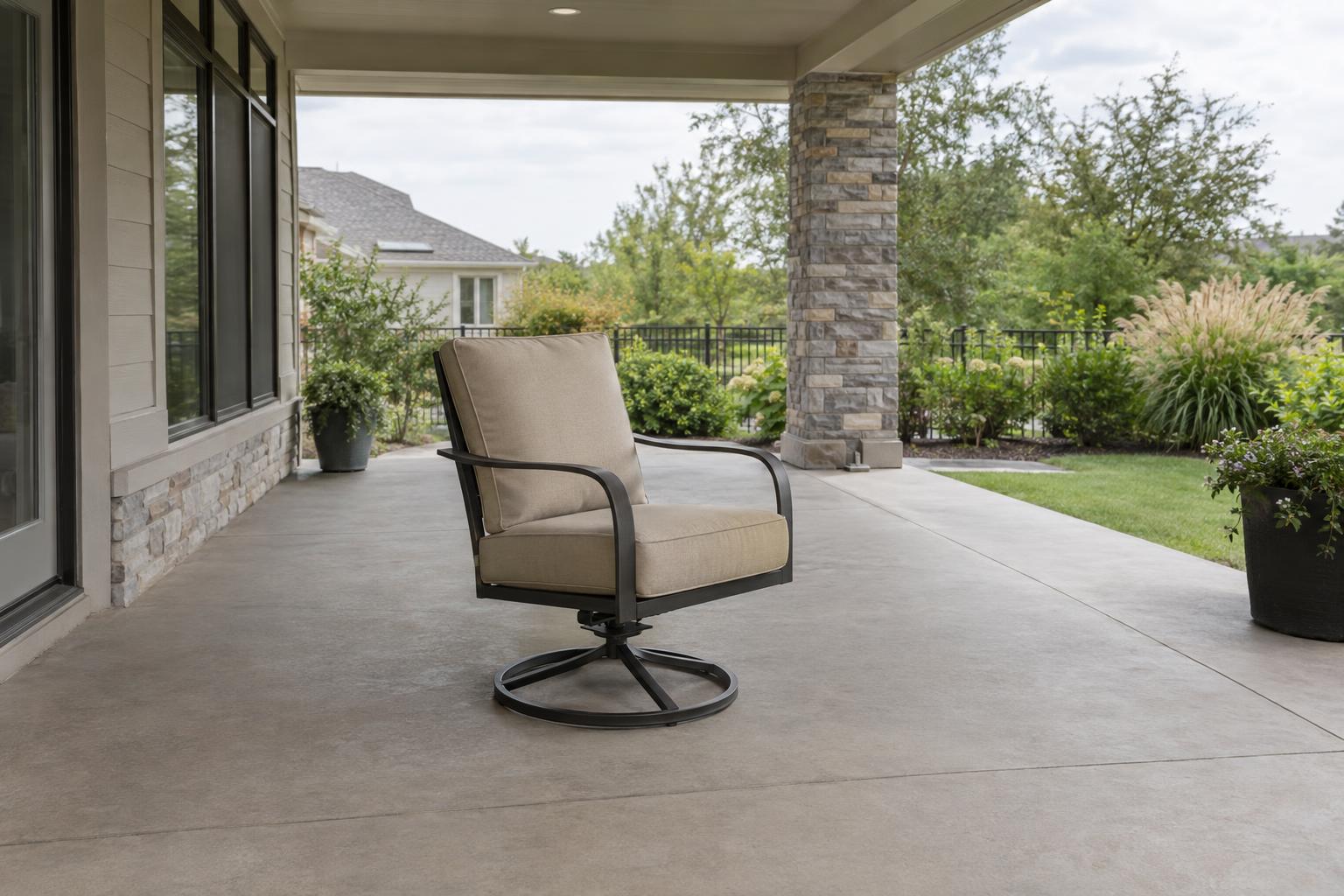
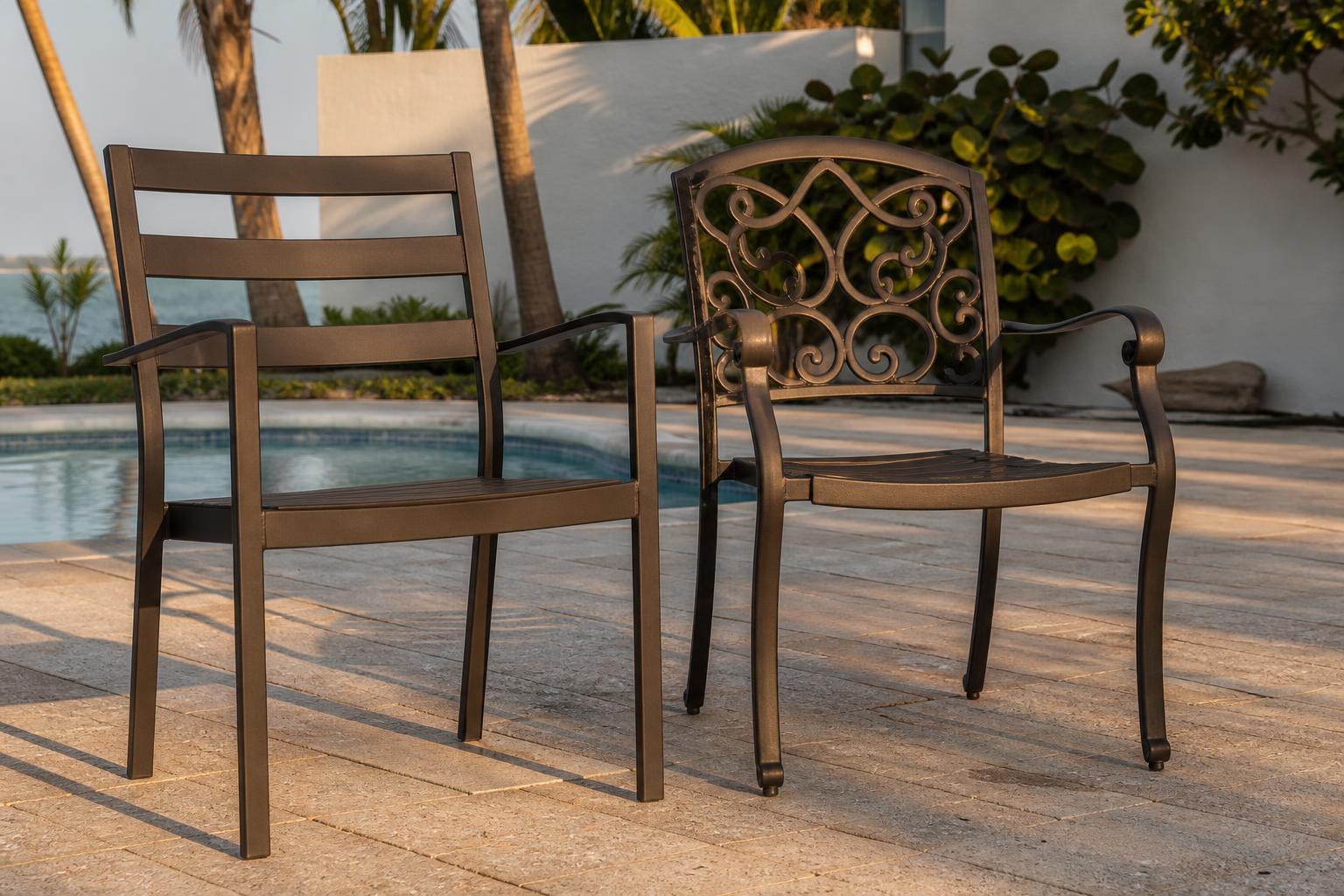
Outdoor cushion storage during rainy season is a practical problem for Jupiter, Palm Beach Gardens, Tequesta, and nearby Palm Beach County homes. Cushions may be built for outdoor use, but repeated afternoon storms, wind-blown rain, pool splash, and humidity can still shorten their life if they are stored damp or left compressed in the wrong container.
Beach House Patio Furniture helps homeowners choose patio furniture, replacement cushions, and storage habits that match the way the outdoor space is actually used. The goal is simple: keep cushions cleaner, drier, and easier to use without turning every summer storm into a full patio reset.
Start With Drying, Not Just Hiding Cushions

The biggest rainy-season mistake is putting damp cushions into a sealed deck box or storage bench. That may keep the next shower off the fabric, but it can trap moisture inside the cushion core. If cushions are wet after a storm, stand them on edge in a covered, ventilated area before storing them. Airflow matters as much as the storage container.
Quick-dry foam, performance fabric, and open-weave seating designs can make this routine easier. Dense cushions that stay wet for hours need more attention before they are stacked. If the patio is used daily, choose a setup that makes drying and putting cushions away realistic rather than perfect on paper.
Choose Storage That Fits The Patio Routine
The right storage option depends on how often the cushions move. A family that uses the pool every weekend may need a storage bench near the seating area. A seasonal household may prefer breathable indoor storage for longer stretches. A covered lanai may only need a raised shelf or ventilated cabinet for extra pillows and small cushions.
- Storage benches: Best when cushions need to stay close to the seating area, as long as the interior stays dry and ventilated.
- Deck boxes: Useful for quick access, but they should not become a sealed container for damp fabric.
- Indoor shelves or bags: Better for off-season storage or long travel periods when cushions will not be used.
- Covered patio zones: Helpful for short drying periods before cushions go into a box or closet.
Plan Around Wind-Blown Rain

Covered patios still catch rain when wind shifts across the pool deck or lanai. Before choosing a storage piece, watch where water collects after a normal afternoon storm. If water runs toward one corner, avoid placing a storage box directly in that path. If the patio has limited shade, consider whether the container itself will sit in direct sun and heat up through the day.
For broader seasonal preparation, homeowners can review NOAA hurricane safety guidance. For sun exposure and outdoor comfort context, EPA sun safety guidance can help frame how heat and UV affect outdoor living spaces.
Keep The Cleaning Routine Simple
A realistic routine beats an elaborate one. Brush off pollen and leaves before cushions are stored. Let towels dry separately from seat cushions. Keep pool chemicals, sunscreen, and food spills away from stored fabric. If the cushion cover is removable, follow the fabric care instructions instead of guessing with harsh cleaners.
It also helps to keep storage organized by use. Seat cushions should not be buried under wet towels, loose pillows, toys, or grill covers. The less sorting a homeowner has to do after each storm, the more likely the system is to be used consistently.
When Replacement Cushions Make More Sense
Sometimes storage is not the whole problem. If cushions stay damp, smell musty, collapse when someone sits down, or no longer match the frame size, replacement cushions may be the better long-term fix. Better fabric and foam can make rainy-season care easier, especially for seating that gets heavy pool or guest use.
If you are comparing options, start with outdoor cushions and patio pieces, then use the contact page to ask about sizing, fabric choices, and realistic care for your patio. Photos and measurements make that conversation more useful.
Frequently Asked Questions
Can outdoor cushions stay outside all rainy season?
Some outdoor cushions can handle routine exposure, but they still last longer when they are allowed to dry and are stored during extended wet periods or storms.
Should cushions go into a waterproof deck box?
A deck box can work if cushions are dry first. Avoid sealing damp cushions in a box because trapped moisture can create odor and mildew problems.
What is the easiest storage setup for daily use?
For many patios, the easiest setup is a nearby ventilated bench or box plus a covered drying spot where cushions can stand on edge after rain.
For help choosing outdoor cushion storage or replacement cushions for rainy season, call Beach House Patio Furniture at (561) 972-4661 or use the contact page. The team can help match fabric, cushion construction, and storage habits to the way your South Florida patio is actually used.

About the Author
Chas Crofoot
Chas Crofoot is the owner of Beach House Patio Furniture, a family-owned outdoor furniture company in Jupiter, Florida. Since 1979, Chas and his team have manufactured and sold high-quality patio furniture — specializing in wicker, cast aluminum, aluminum, poly lumber, and PVC pipe styles built to withstand the Florida climate. With over four decades of hands-on experience in outdoor furniture design and manufacturing, Chas brings deep expertise in material selection, durability, and comfort for coastal living.