
If you split your year between a northern home and a condo in Jupiter, Tequesta, or Palm Beach Gardens, your balcony furniture has a harder job than most. It needs to look good the week you arrive, survive months of empty humidity and salt air while you’re away, and hold up to whoever waters your plants in between. For seasonal condo owners in Palm Beach County, the furniture question often comes down to one thing: what actually survives an empty condo through a South Florida summer.
The good news is that a handful of decisions up front save you from replacing balcony furniture every couple of seasons. Here’s what we walk clients through before they buy.
What Makes Balcony Furniture “Snowbird-Ready”?
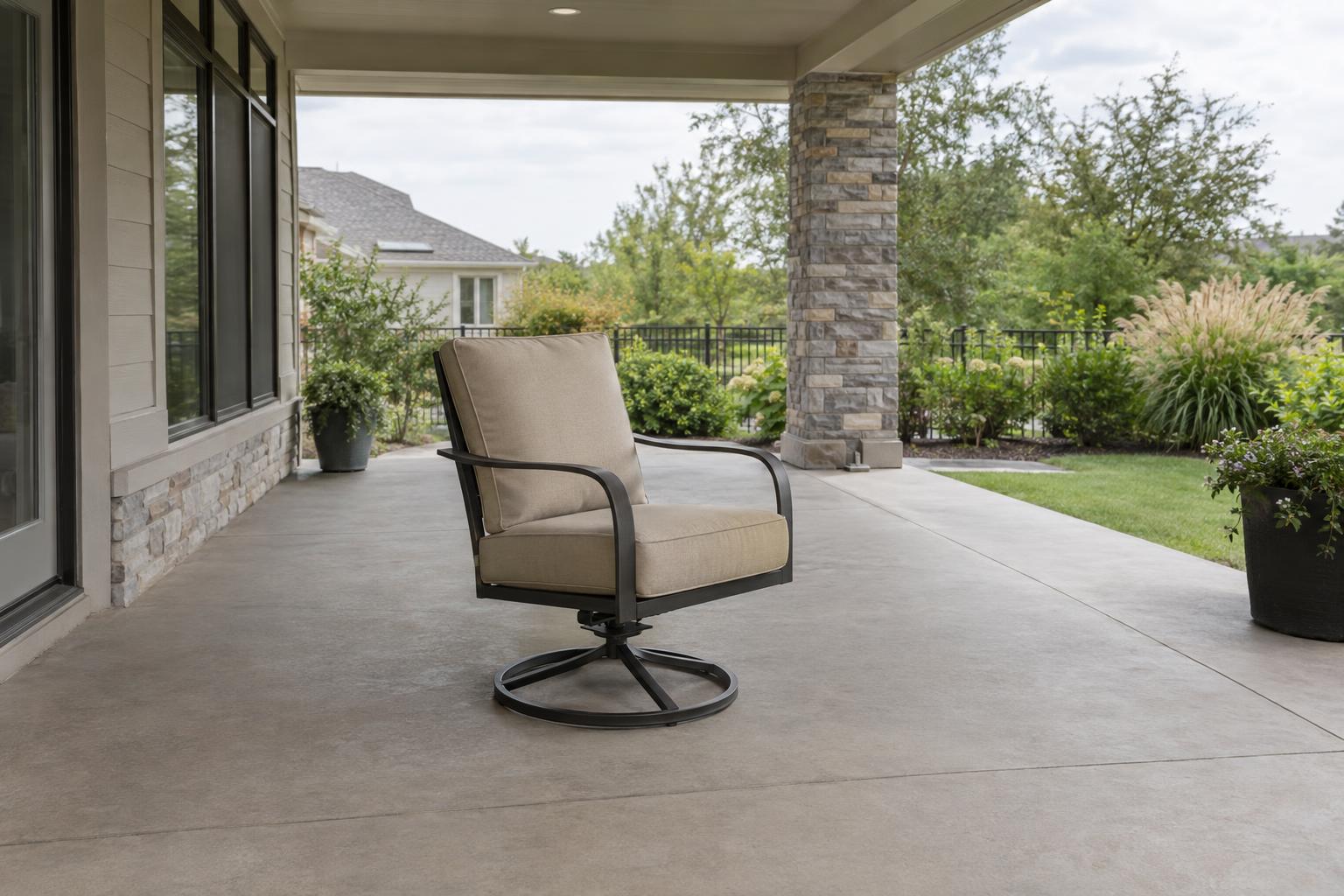
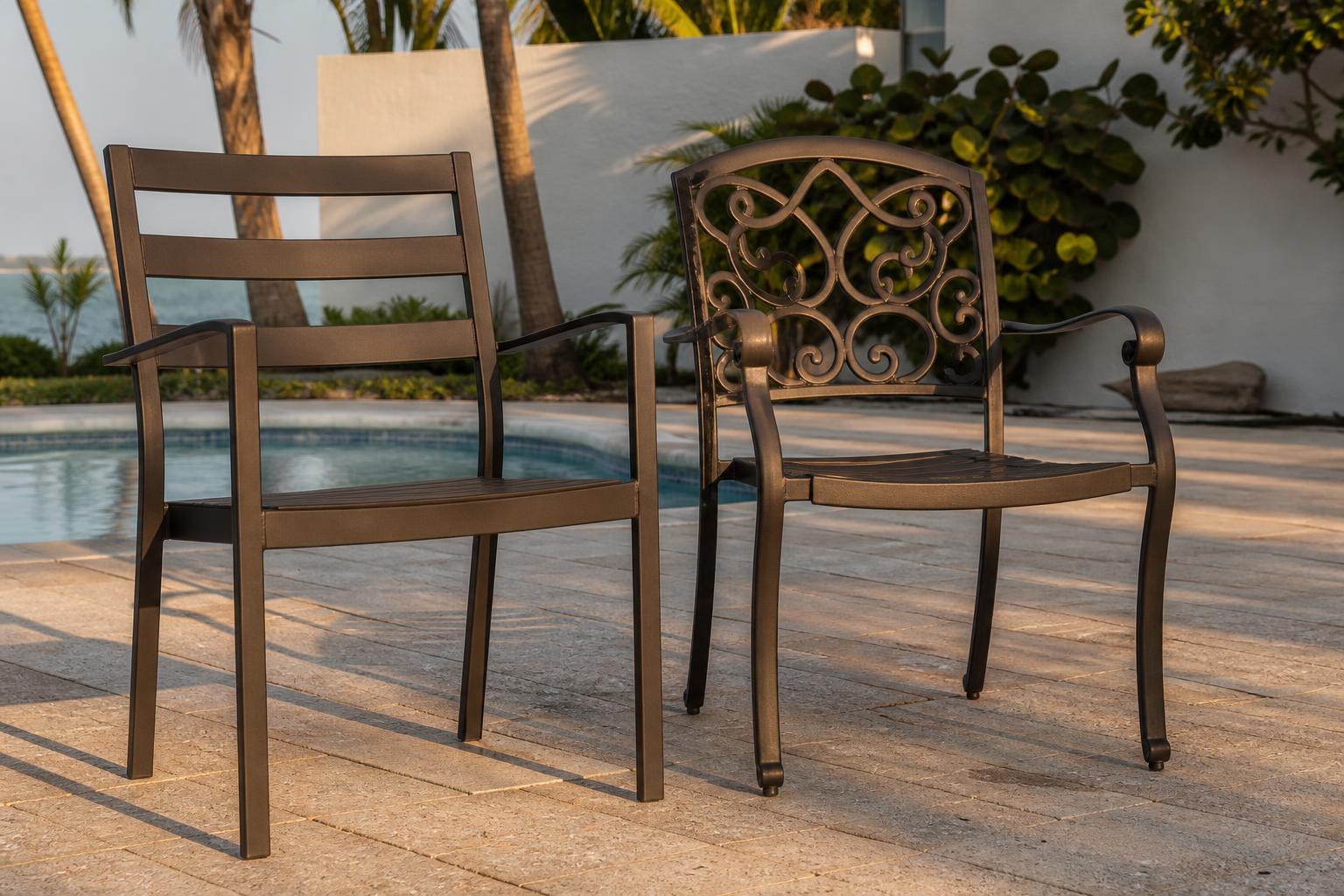
Snowbird-ready furniture is built around three things: a frame that won’t corrode while sitting unused, cushions or fabric that resist mildew without anyone around to air them out, and a footprint that fits a high-rise balcony without blocking walkways or view lines. Aluminum and powder-coated steel frames are the most forgiving choices for a condo balcony that sits closed up for months, since they don’t absorb moisture the way untreated wood can. If your building’s HOA has finish or color requirements, we always confirm those before finalizing a set, since some Palm Beach County associations restrict balcony furniture materials or colors for uniformity.
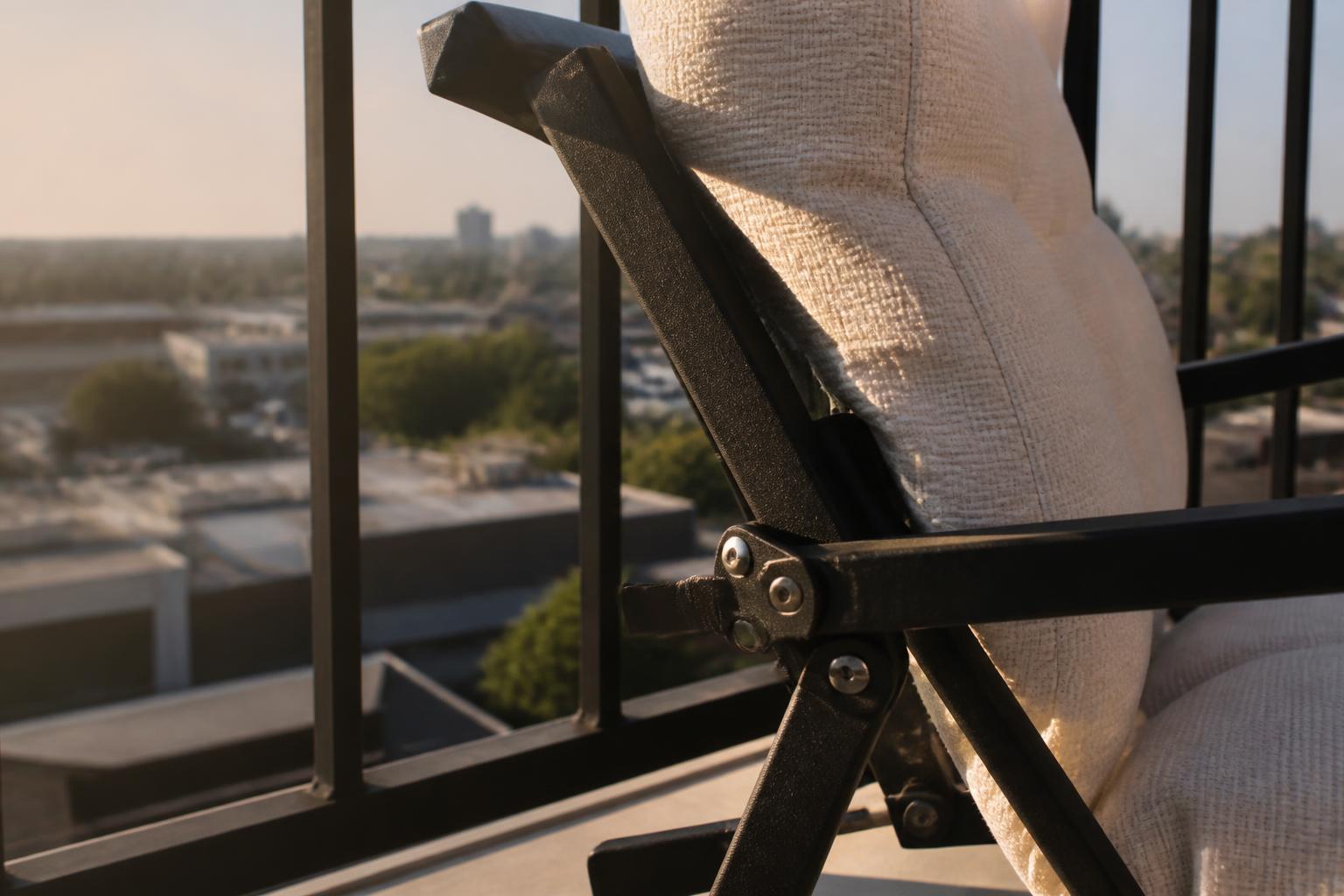
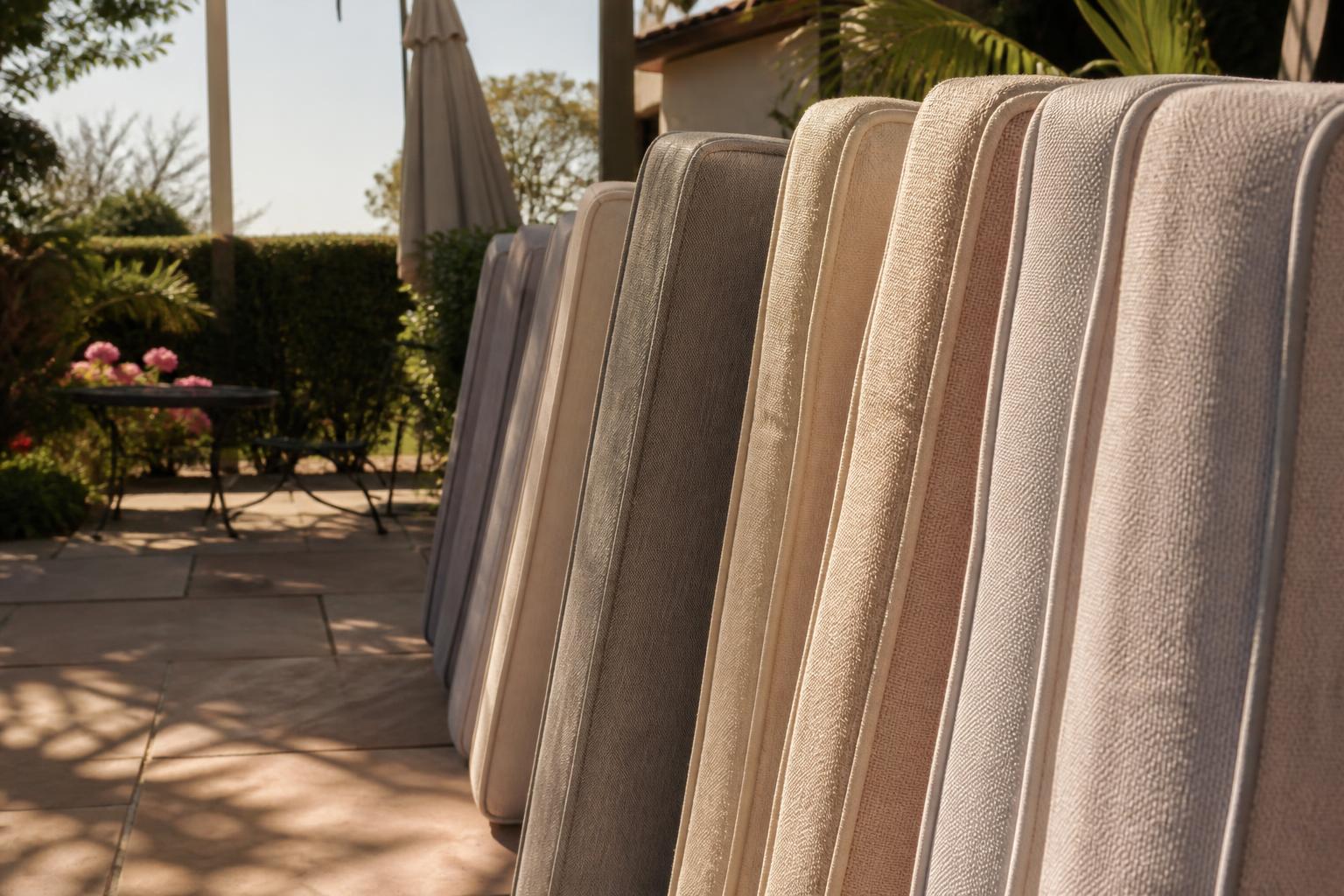
Cushion fabric matters just as much as the frame. Look for solution-dyed acrylic or similarly rated outdoor fabrics that resist mold growth in a closed, humid space. If your balcony doesn’t have a covered overhang, ask about fabrics rated for direct sun exposure as well, since UV breakdown happens faster on an unshaded high-rise balcony than on a ground-floor patio.
Choosing Furniture That Survives Months of Vacancy
The biggest risk to seasonal balcony furniture isn’t a single storm, it’s months of nobody checking on it. Before you leave for the season, a few habits make a real difference. Folding or stackable pieces let a property manager or neighbor collapse the set and store it against a wall if a storm warning comes through while you’re away, rather than leaving loose furniture exposed on an upper floor. We recommend confirming with whoever checks on your unit that they know where to store folded pieces, and leaving simple written instructions if your association requires balcony furniture to be secured or removed during named storms.
Metal hardware is another spot where seasonal furniture fails early. Stainless or coated hardware resists the kind of surface rust that happens when salt air sits on exposed screws and hinges for months without anyone wiping them down. If you’re comparing two similar-looking sets, ask what hardware is used underneath the finish, not just what the frame looks like on the showroom floor.
Sizing Your Balcony Furniture for High-Rise Condos
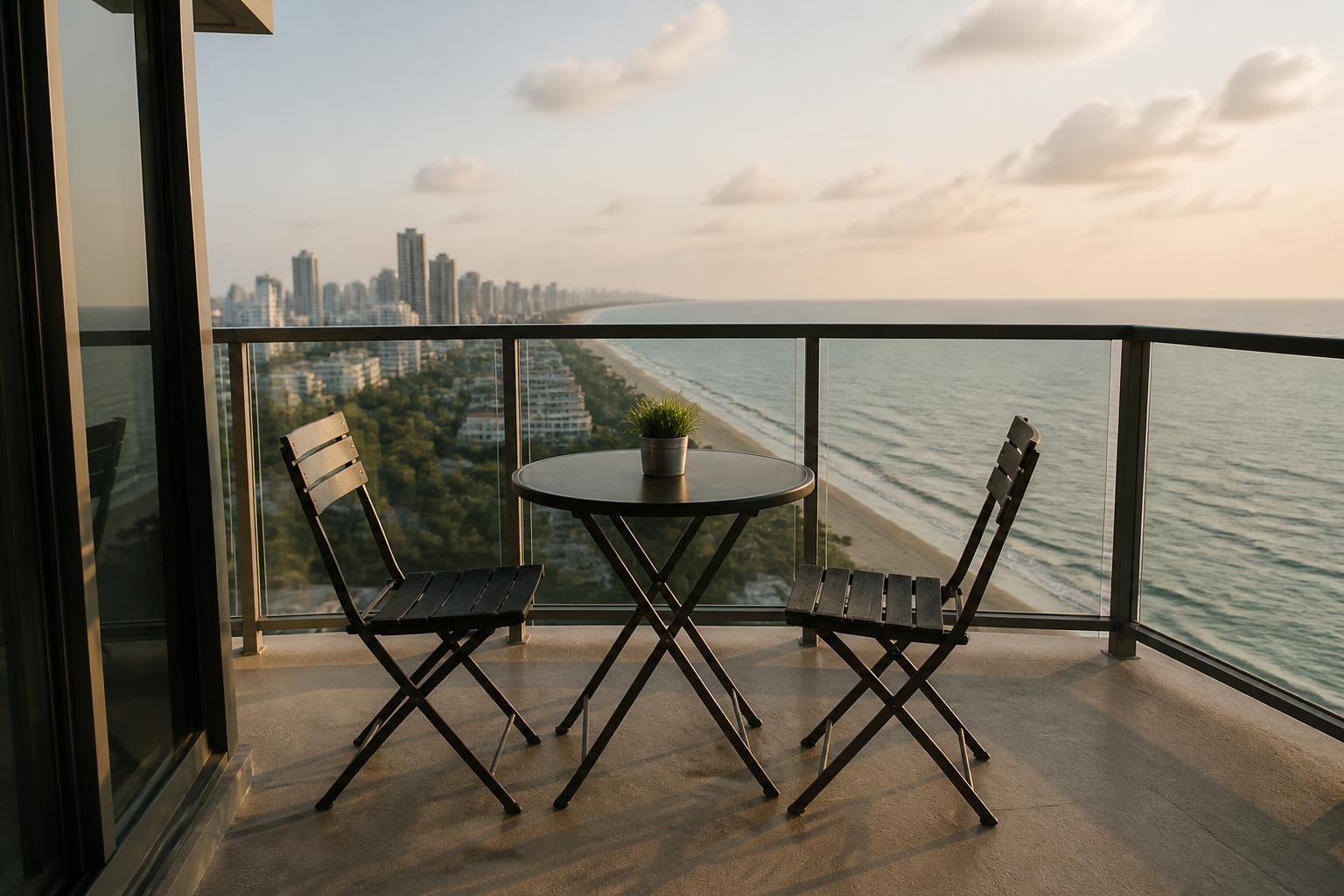
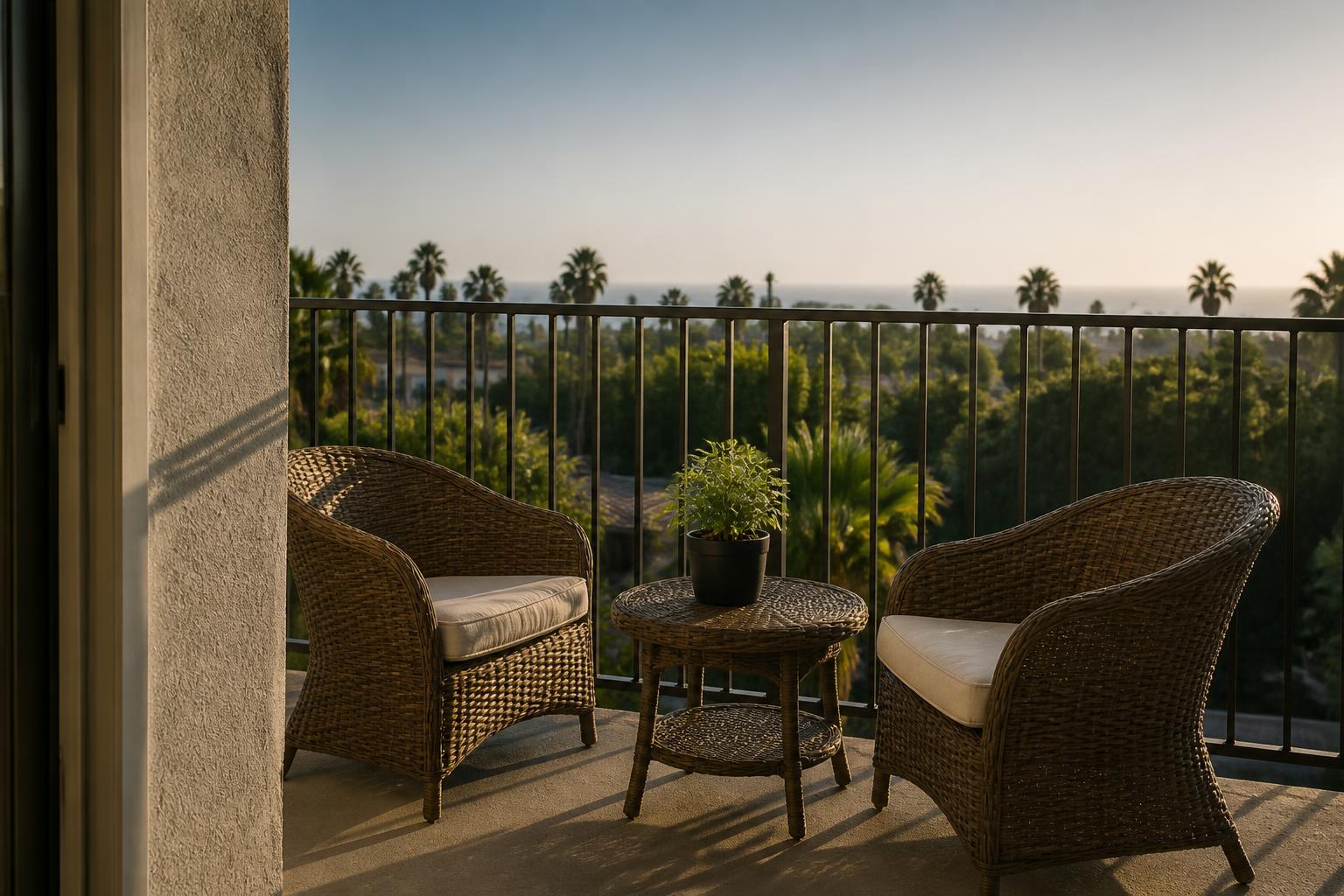
Most Palm Beach County high-rise balconies run narrower than a ground-floor patio, which means a full-size dining set rarely fits without blocking the railing or the sliding door track. A compact bistro table with two chairs is the most common fit for a one- or two-person seasonal household, and it still gives you a place for coffee, a laptop, or a sunset drink without crowding the space. If your balcony is deep enough, a small loveseat with a side table can work, but we’d measure the clear walkway space first, since fire code and building rules often require a minimum clearance in front of sliding doors.
When you’re only in residence part of the year, it’s also worth thinking about how the set looks from inside your unit and from the street or beach side of the building, since many associations have exterior appearance guidelines for balconies. Neutral tones tend to satisfy both your own taste and most HOA aesthetic rules, and they hide dust and salt residue better than very dark or very light finishes.
Working With a Property Manager While You’re Away
A lot of seasonal Palm Beach County residents rely on a property manager, a trusted neighbor, or a building concierge to check on the unit during the months they’re away, and it’s worth including balcony furniture in whatever instructions you leave behind. If a tropical storm or hurricane watch is issued while you’re out of state, a property manager who knows exactly where folded chairs should go, whether that’s inside a closet, laid flat against an interior wall, or secured with straps to a fixed railing point, can act quickly without waiting to reach you first. We suggest putting this in writing rather than relying on a verbal mention months earlier, since even a reliable property manager may be handling several units at once during a storm event.
It also helps to leave a couple of extra zip ties, rope, or furniture straps in an accessible spot on the balcony or in a nearby storage closet, so whoever is checking on the unit doesn’t need to source materials on short notice. If your building has a shared storage area for residents, confirming that your furniture is small enough to fit there, or that space is reserved for it during storm season, is worth doing before you leave rather than assuming it will be available when needed.
Documenting Your Furniture Before You Leave
A quick set of photos of your balcony furniture setup before you leave for the season serves two purposes. First, it gives your property manager or neighbor a clear reference for how pieces should be arranged when you return, which matters if a folding set gets moved or restacked differently while you’re away. Second, it gives you a record for insurance purposes if a storm does cause damage while you’re out of state, since having a dated photo of the furniture’s condition before the season makes any claim conversation easier. We suggest keeping these photos alongside any other seasonal home documentation you already maintain, rather than as a separate, easily forgotten file.
Frequently Asked Questions
Should I bring balcony furniture inside every time I leave for the season?
It depends on your building’s storm policy and available storage. If you have room in a closet or storage unit, moving cushions and fabric pieces indoors extends their life significantly, since indoor storage avoids the humidity cycle that breaks down fabric fastest. Frames can typically stay on the balcony if they’re rated for continuous outdoor exposure.
What frame material lasts longest on an unattended balcony?
Aluminum with a powder-coated finish is generally the most forgiving option for a condo balcony that sits empty for extended stretches, since it resists the surface corrosion that wrought iron or untreated steel can develop in salt air.
Can Beach House Patio Furniture help me choose HOA-compliant pieces?
Yes. If you can share your association’s balcony furniture guidelines, we can point you toward finishes and sizes in our current inventory that are likely to meet them before you commit to a set.
How much clear walking space should I leave on a condo balcony?
High-rise building rules can require a clear path in front of sliding doors and any fire escape access, so we recommend confirming your building’s specific clearance rule before finalizing furniture placement, since this varies by property.
If you’re planning ahead for the season, stop by our Jupiter showroom or browse our current balcony and patio collections online, and our team can help you match a set to your building’s requirements and your own travel schedule. You can also reach out through our contact page with your balcony dimensions and any HOA guidelines, and we’ll put together a short list of options that fit.

About the Author
Chas Crofoot
Chas Crofoot is the owner of Beach House Patio Furniture, a family-owned outdoor furniture company in Jupiter, Florida. Since 1979, Chas and his team have manufactured and sold high-quality patio furniture — specializing in wicker, cast aluminum, aluminum, poly lumber, and PVC pipe styles built to withstand the Florida climate. With over four decades of hands-on experience in outdoor furniture design and manufacturing, Chas brings deep expertise in material selection, durability, and comfort for coastal living.