
Football weekends are made for the patio. The air finally feels like fall in South Florida, friends are coming over, and nobody wants to be stuck inside. The challenge is that a good screen and a good party do not automatically mean good seating. Planning patio seating for watching football comes down to who sits where, what they can see, and how comfortable they stay through four quarters.
This guide covers layout, shade, and the small pieces that keep a crowd happy, from sight lines to side tables. It works for a covered lanai or an open patio in Jupiter, Palm Beach Gardens, or anywhere nearby.
Patio Seating for Watching Football Starts With Sight Lines
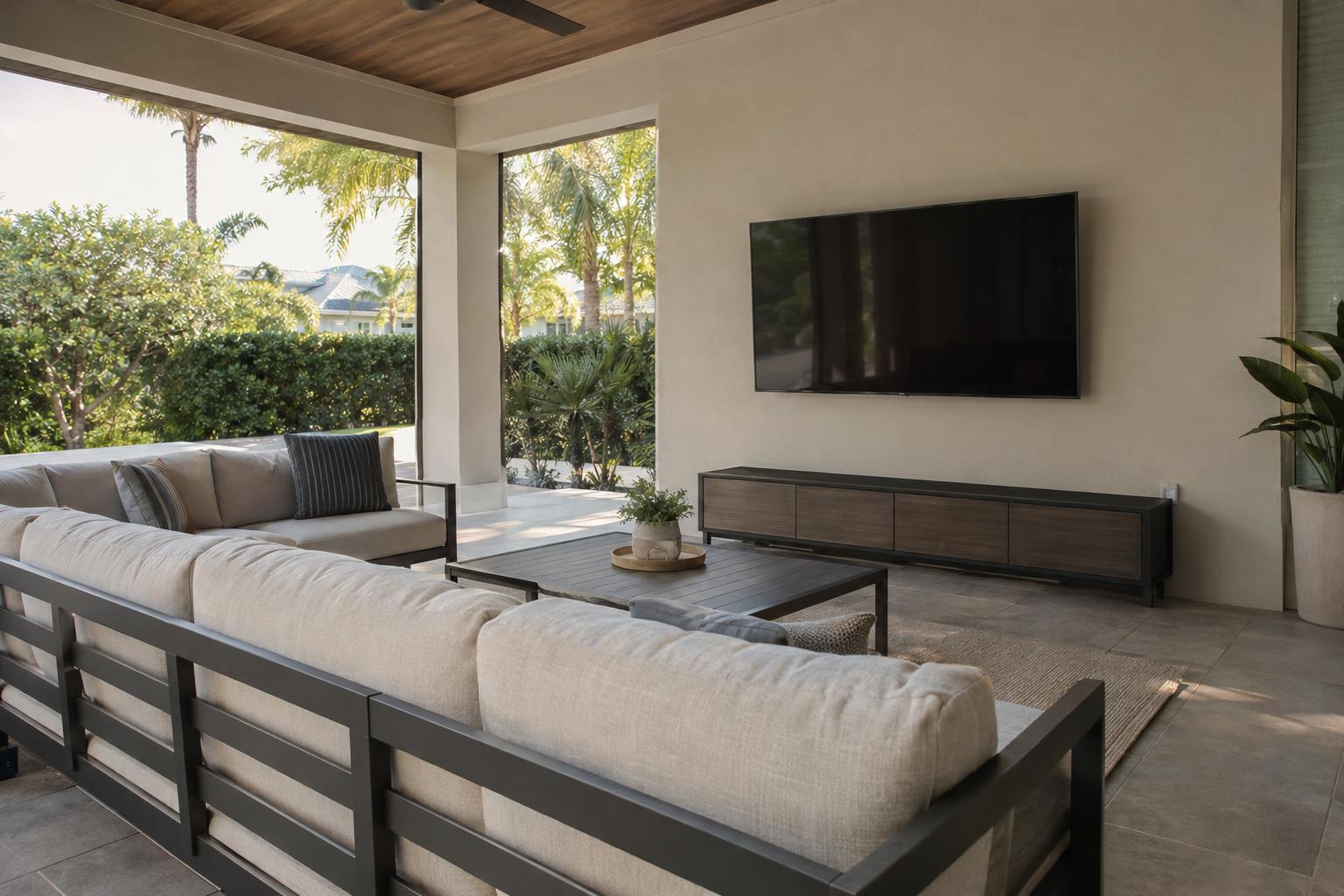
Everything begins with the screen. Decide where it will be, then place the main seats facing it, with a clear view that does not require anyone to twist their neck. A sofa or sectional with its back to the open yard and its face to the wall usually works well.
Distance matters as much as direction. Seats that are too close can feel uncomfortable, and seats too far away lose the action. Sit in the spot where the main seating will be, and look at the screen. Measure the distance from the screen to the seats, and adjust the furniture until it feels natural. We do not recommend specific equipment, only that you plan the seating around whatever you have.
Handle Glare and Afternoon Sun
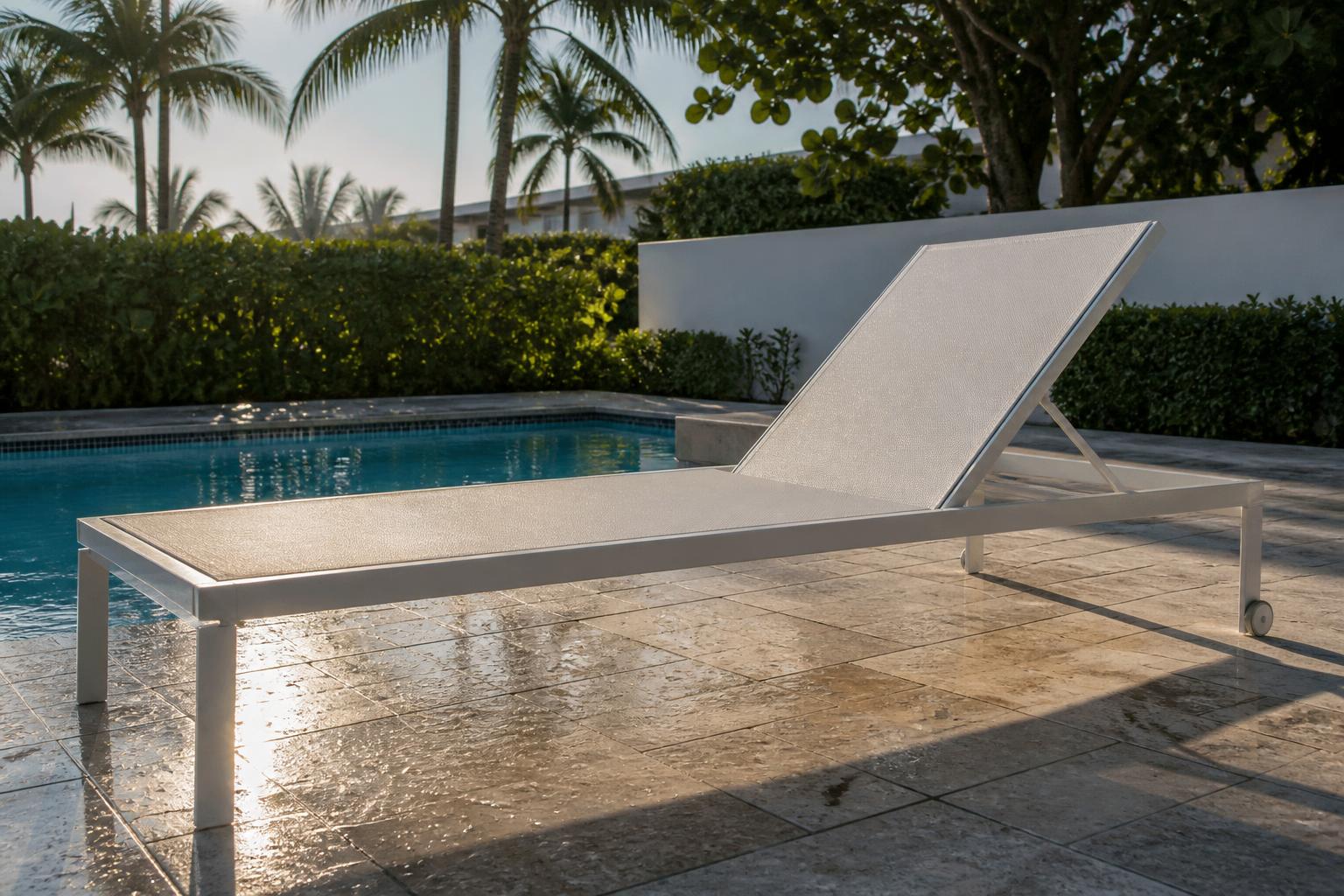
Afternoon games often fall right when the sun is lowest and most direct. Glare can wash out a screen, and the heat can make guests restless. Notice where the sun lands on your patio at game time and which direction your screen faces.
The EPA offers helpful background on the UV index and sun exposure, a useful reminder that shade is about comfort and health, not only appearance. A covered lanai, a cantilever umbrella, or a shaded wall for the screen can help. Place seats so that nobody stares directly into the sun, and keep the screen out of direct light where possible.
Tiered Seating So Everyone Sees
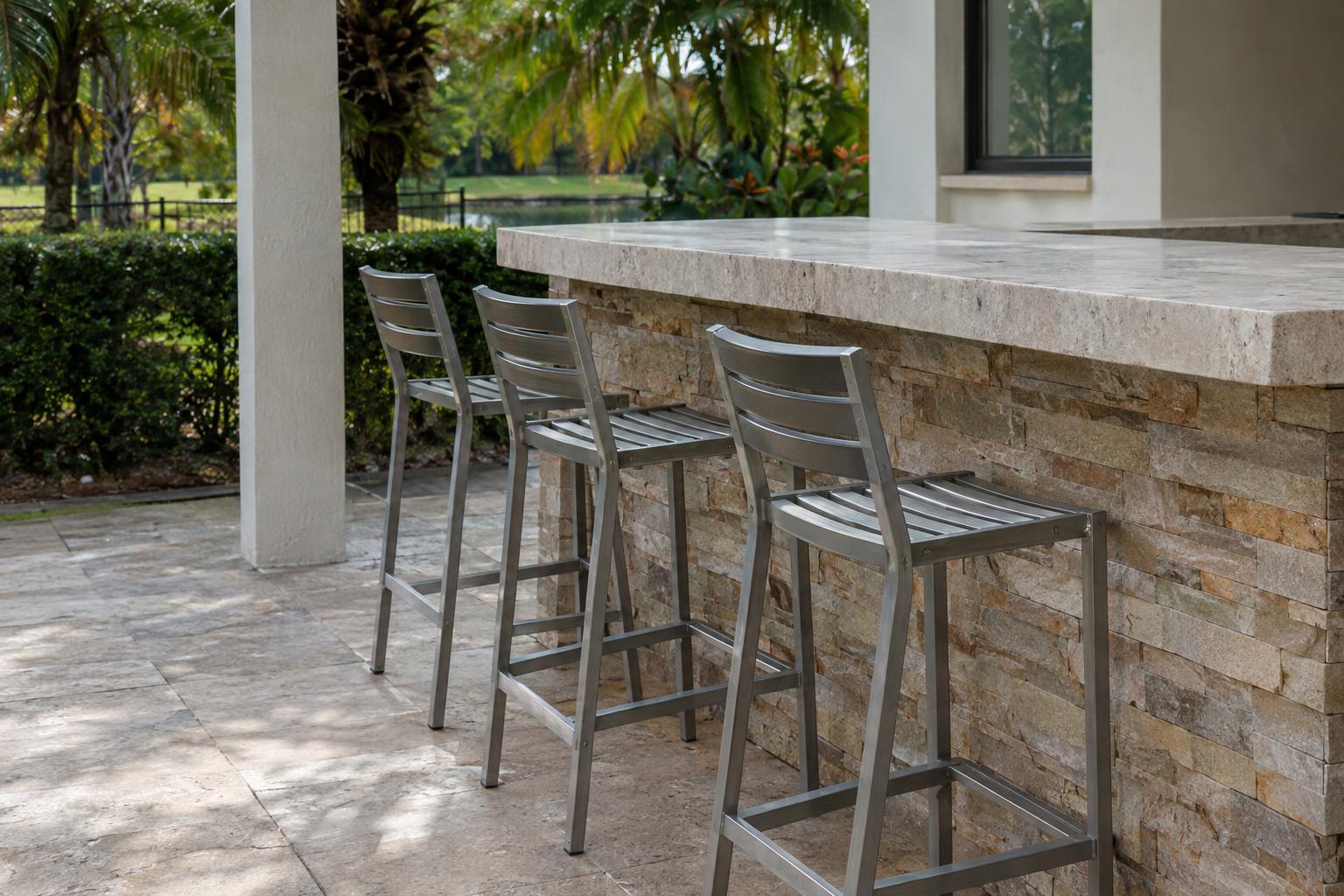
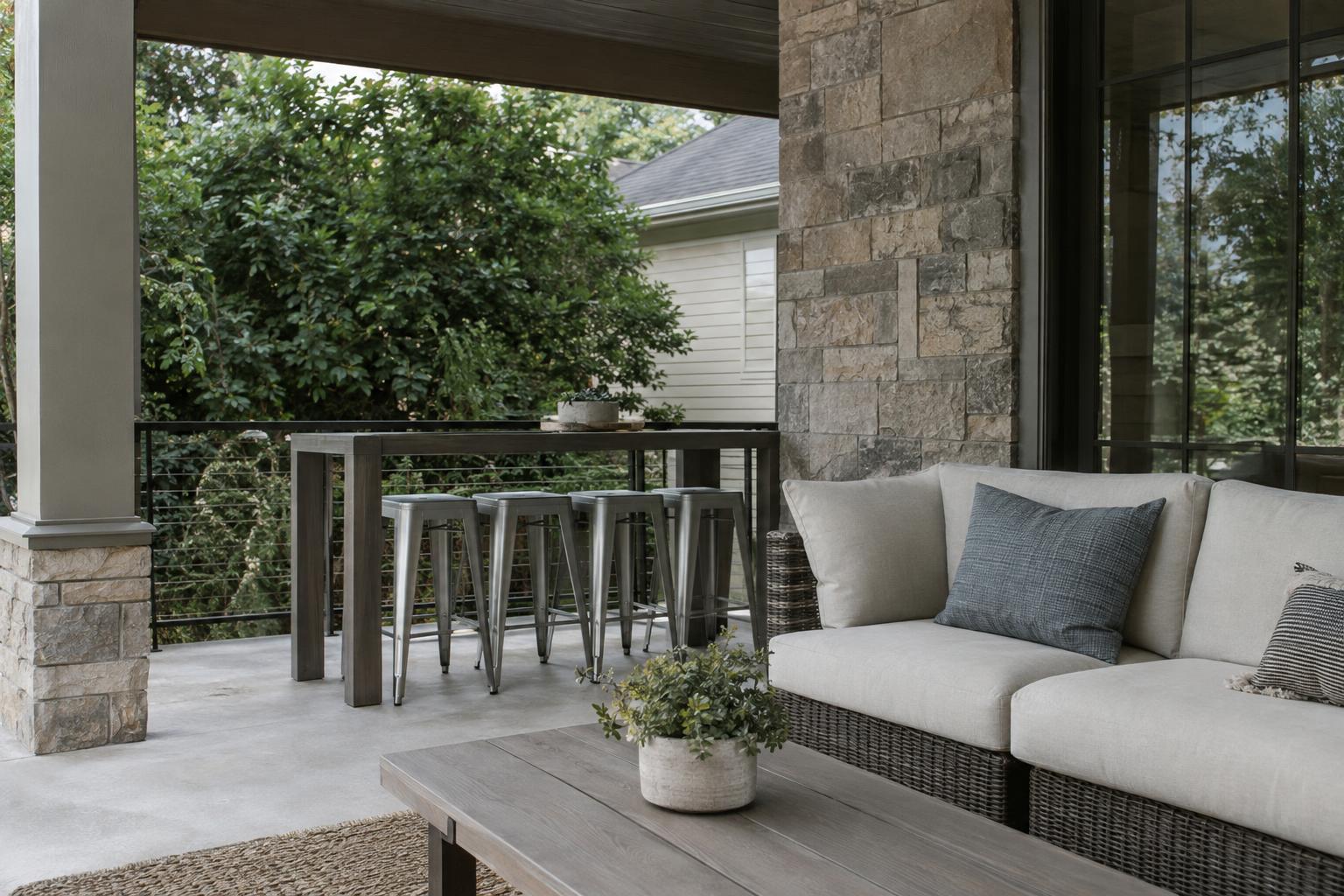
A second row solves the classic problem of the person stuck behind a tall chair. Put low seating in front, such as a sofa, sectional, or lounge chairs, and add taller seating behind it. Counter-height stools at a bar table behind the lounge area let guests see over the front row.
If you are unsure which height suits your space, our post on counter height versus bar height outdoor stools explains how to choose, and it helps to match the table height to the stool. Keep tall seating along the back or to the sides so it does not block the view.
Side Tables for Plates and Drinks
Game-day food travels from the kitchen to a lap, so every seat needs a place to set a plate or a drink down. Small side tables between chairs, or a low coffee table in front of a sofa, keep things within reach.
Height matters here. A table that is too low forces guests to bend, and one that is too high gets in the way. Our guide to outdoor side table height for lounge chairs and chaises shows how to match them. Choose tables with enough surface for a plate and a glass, and keep a few extra stackable options handy.
Comfort for Long Sitting
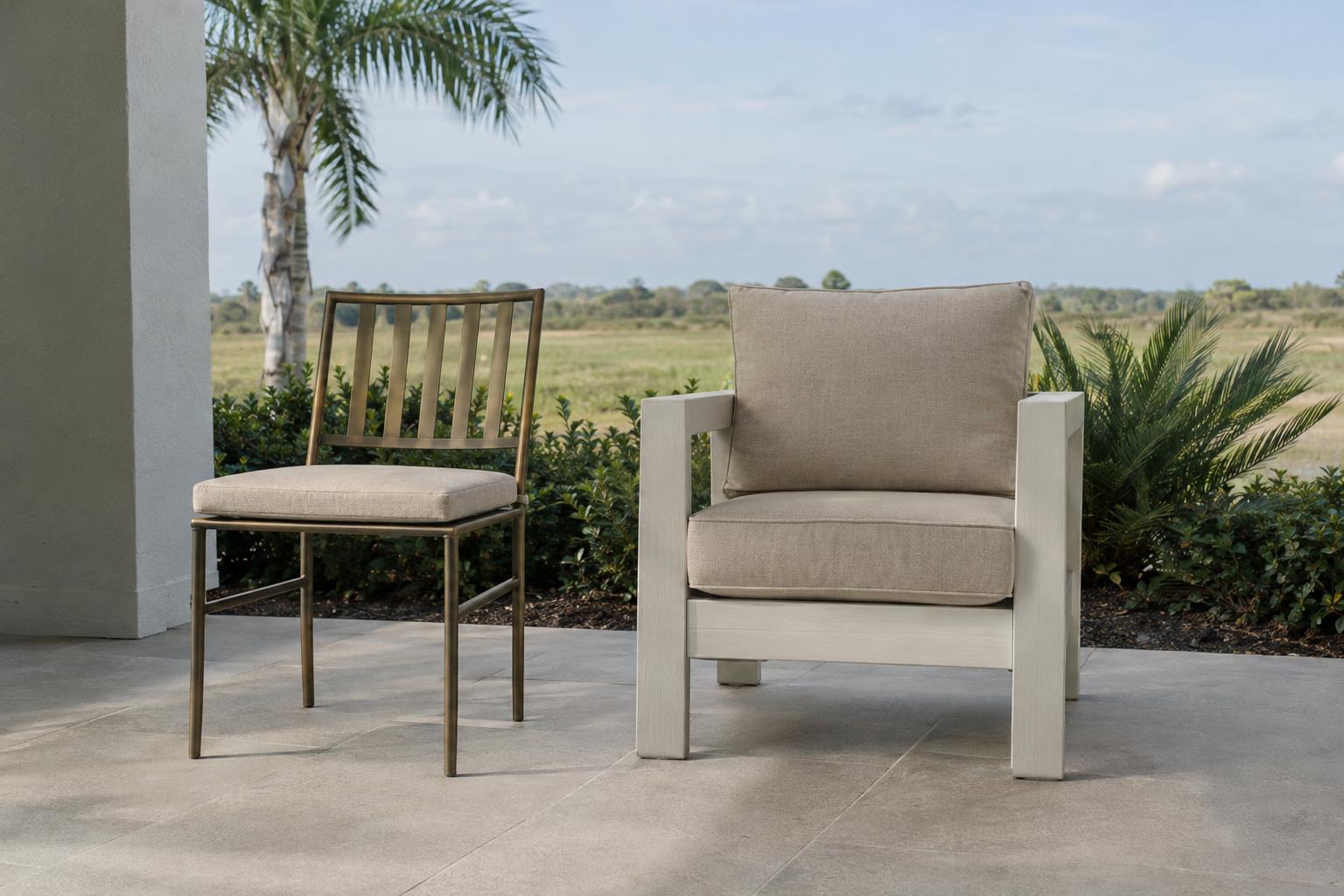
A game can run three hours or more, so comfort is not optional. Look at seat depth, back support, and cushion thickness. Deep cushions feel inviting at first, but guests who are shorter may find it hard to sit upright, while a shallow seat can be tiring after a long stretch.
Offer a mix. A few deep lounge seats, a few upright chairs with firm support, and some armchairs give guests a choice. Cushions should be dry before anyone sits, so check the forecast and have a plan to store them if rain is possible. Our guide to creating the ultimate outdoor entertaining space offers more ideas on balancing seating for a crowd.
Keep Walkways Open to the Kitchen
People will get up for food and drinks all afternoon, so leave a clear path between the seating and the kitchen door. A good walkway is wide enough for two people to pass, or for someone to carry a tray. Measure it and confirm that a chair pushed back does not block the path.
Keep the area around the grill or any food station open as well. If your layout feels tight, remove one piece rather than squeezing in another. Fewer well-placed seats usually feel better than a crowded arrangement. Our post on outdoor furniture for Florida entertaining offers layout ideas that carry over to fall hosting.
Finally, think about the end of the game. Guests linger, plates pile up, and chairs get pushed around. A small console or cart near the door for dishes keeps the seating area tidy, and it means the next game starts with the layout you planned instead of a pile of cups on every surface.
Cords, Power, and Weather Plans
If you plan to use a screen outdoors, think about cords before the guests arrive. Route them along walls or edges where nobody will trip, and keep them away from standing water. Use equipment and outlets made for outdoor use, and when in doubt, ask a licensed electrician about the safest setup.
A covered lanai offers more protection from rain and glare than an open patio, but either way, plan for a sudden shower. Know where the screen and cushions go if the weather turns. Having a quick bring-in plan means a passing storm does not end the party.
Think About Conversation Too
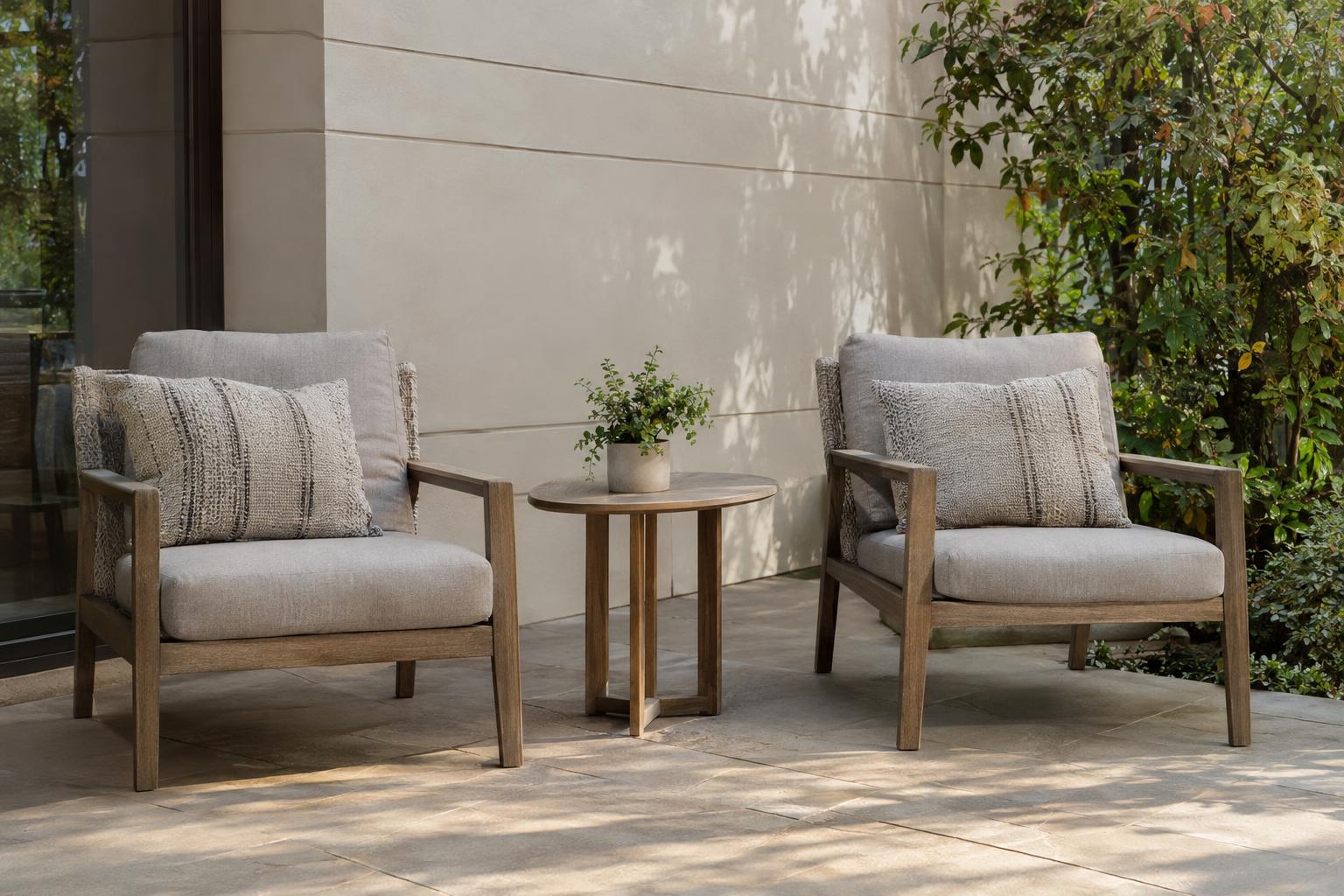
Not everyone watches every play. Some guests come for the company, and they will drift toward a spot where they can talk. A small seating cluster slightly away from the screen, such as two armchairs and a side table, gives them a place to chat without blocking the view.
Keeping the volume and the seating balanced makes the whole space feel welcoming. Leave a gap between the screen area and the conversation area so the two groups do not compete, and it will feel like two comfortable rooms rather than one crowded one.
Plan for Overflow and Mix in Flexible Pieces
Game days often draw more people than you expected. Keep a few stackable chairs, ottomans, or benches ready that can join the seating when needed and tuck away when they are not. These flexible pieces also help when guests want to talk rather than watch.
Before you buy, tape the layout on the floor and test it. Mark where the seats, tables, and walkways will go, then walk through it. That small step reveals problems long before the first kickoff.
Frequently Asked Questions
How far should seating be from the screen?
It depends on the screen size and your space. Sit where the main seats will be, look at the screen, and adjust until it is comfortable, then measure that distance.
How do I stop glare from the afternoon sun?
Notice where the sun lands at game time. Use a covered area, an umbrella, or a shaded wall, and avoid placing the screen where direct light hits it.
What kind of seating works best for a crowd?
A mix. Low lounge seating in front, taller counter-height stools behind, and a few flexible stackable pieces for overflow.
Do I need side tables for every seat?
Ideally each seat has a surface within reach. Small side tables between chairs and a coffee table in front cover most layouts.
Planning your game-day patio? Call us at (561) 972-4661 or visit the Beach House showroom at 105 Center Street in Jupiter, and bring your measurements and photos of your space.

About the Author
Chas Crofoot
Chas Crofoot is the owner of Beach House Patio Furniture, a family-owned outdoor furniture showroom in Jupiter, Florida. He specializes in wicker, cast aluminum, aluminum, poly lumber, and PVC pipe styles built to withstand the Florida climate, and helps coastal homeowners choose materials for durability and comfort.