
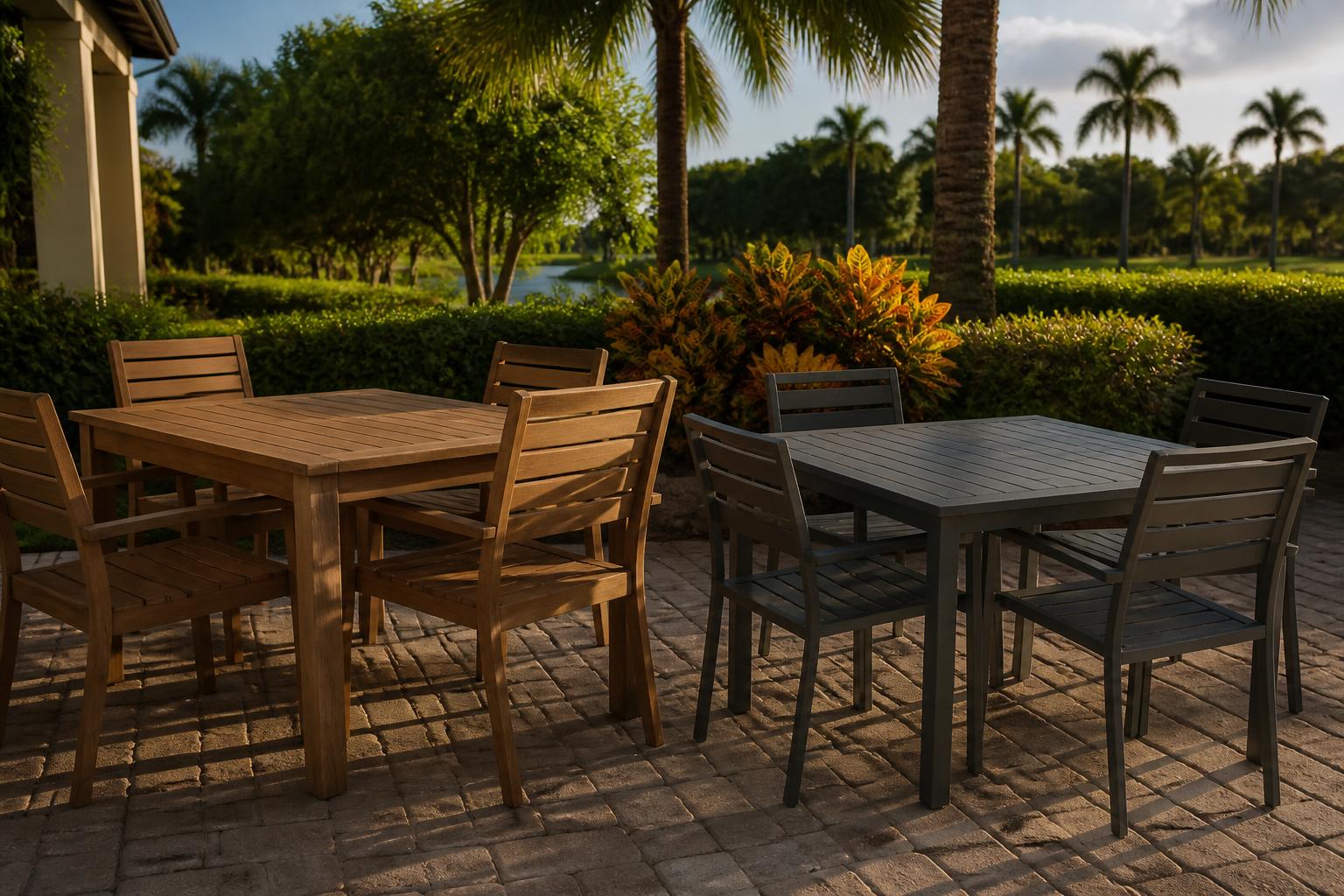
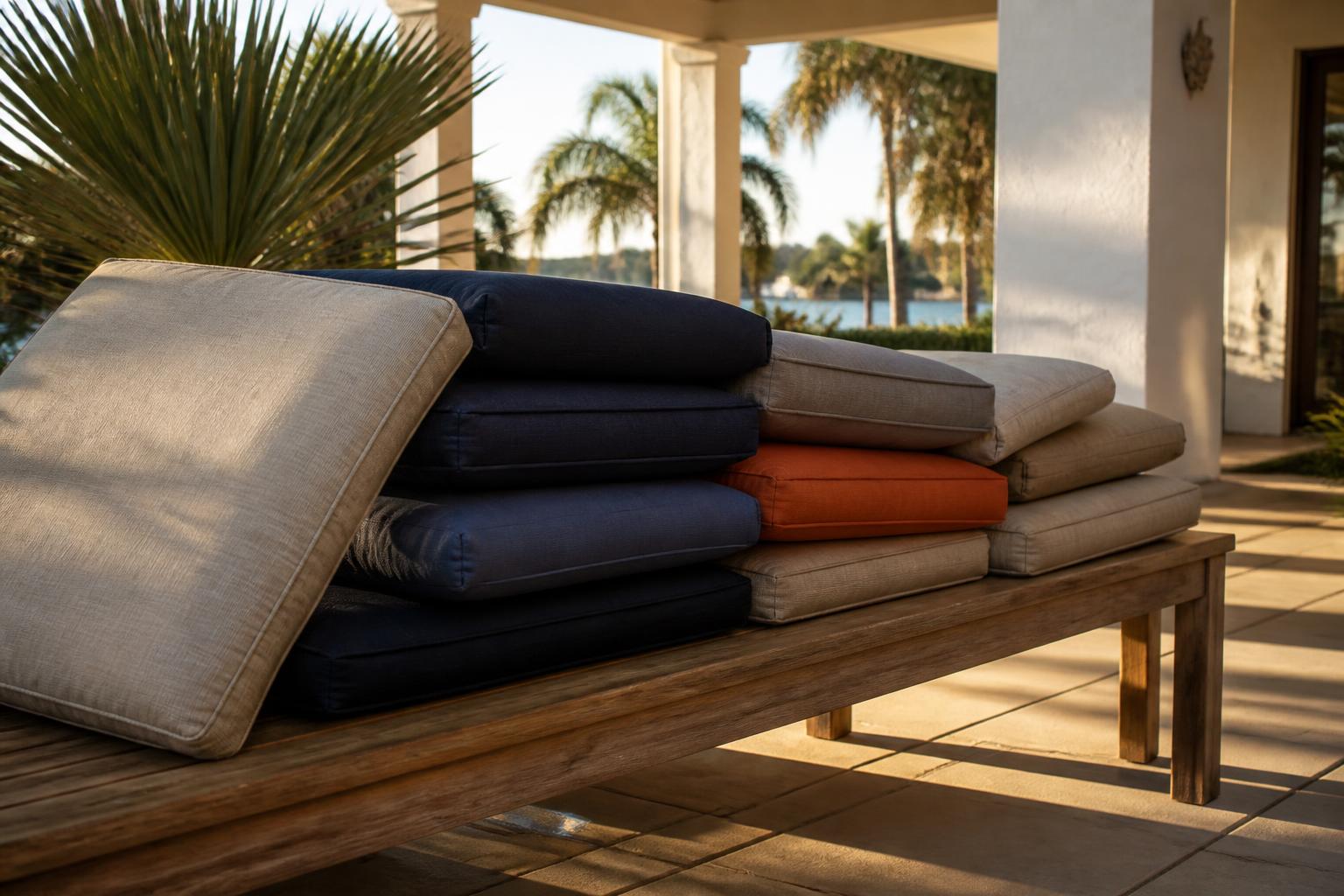
Almost every customer who walks into our Jupiter showroom asking about replacement cushions or a new seating set has heard the name Sunbrella before, but far fewer know that “Sunbrella” isn’t a single fabric. It’s a family of woven acrylic fabrics sold across several grades, weights, and collections, and the grade you choose has more to do with how your cushions will hold up than almost any other decision you’ll make. We spend a lot of time walking customers through this because the price difference between grades can be significant, and it’s easy to either overspend on a grade you don’t need or underspend on a patio that gets hard afternoon sun and salt air.
What “Grade” Actually Means on a Sunbrella Swatch Card
When you look at a Sunbrella swatch book, you’ll usually see fabrics organized into tiers, often labeled something like Sunbrella Elements, the core Sunbrella collections, and premium or performance collections such as Sunbrella Shade or Sunbrella Sensation. The grade generally reflects three things: the weight of the acrylic yarn, the density of the weave, and the finishing treatments applied to the fabric. Heavier, more tightly woven fabrics in higher grades resist abrasion and pilling better, hold their color longer under intense UV exposure, and often include enhanced water repellency finishes that a lower grade won’t have.
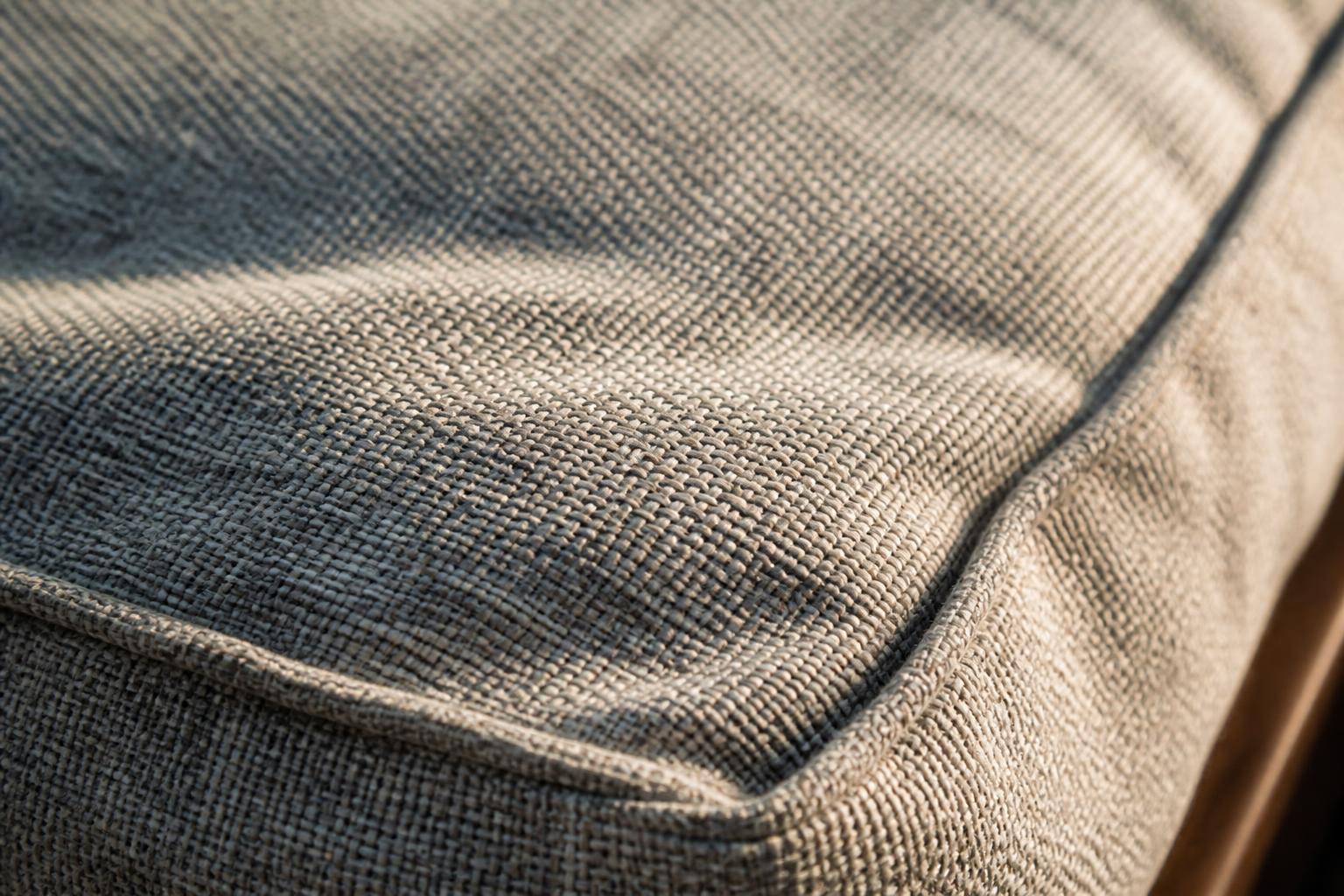
None of that means a lower grade is a bad choice. A lot of our customers with a covered, shaded lanai in a gated Palm Beach County community do perfectly well with a mid-tier grade because their furniture isn’t fighting direct sun for six or eight hours a day. The mistake we see most often is buying based on color and pattern alone without asking where the furniture will actually sit.
Matching Grade to Sun and Salt Exposure
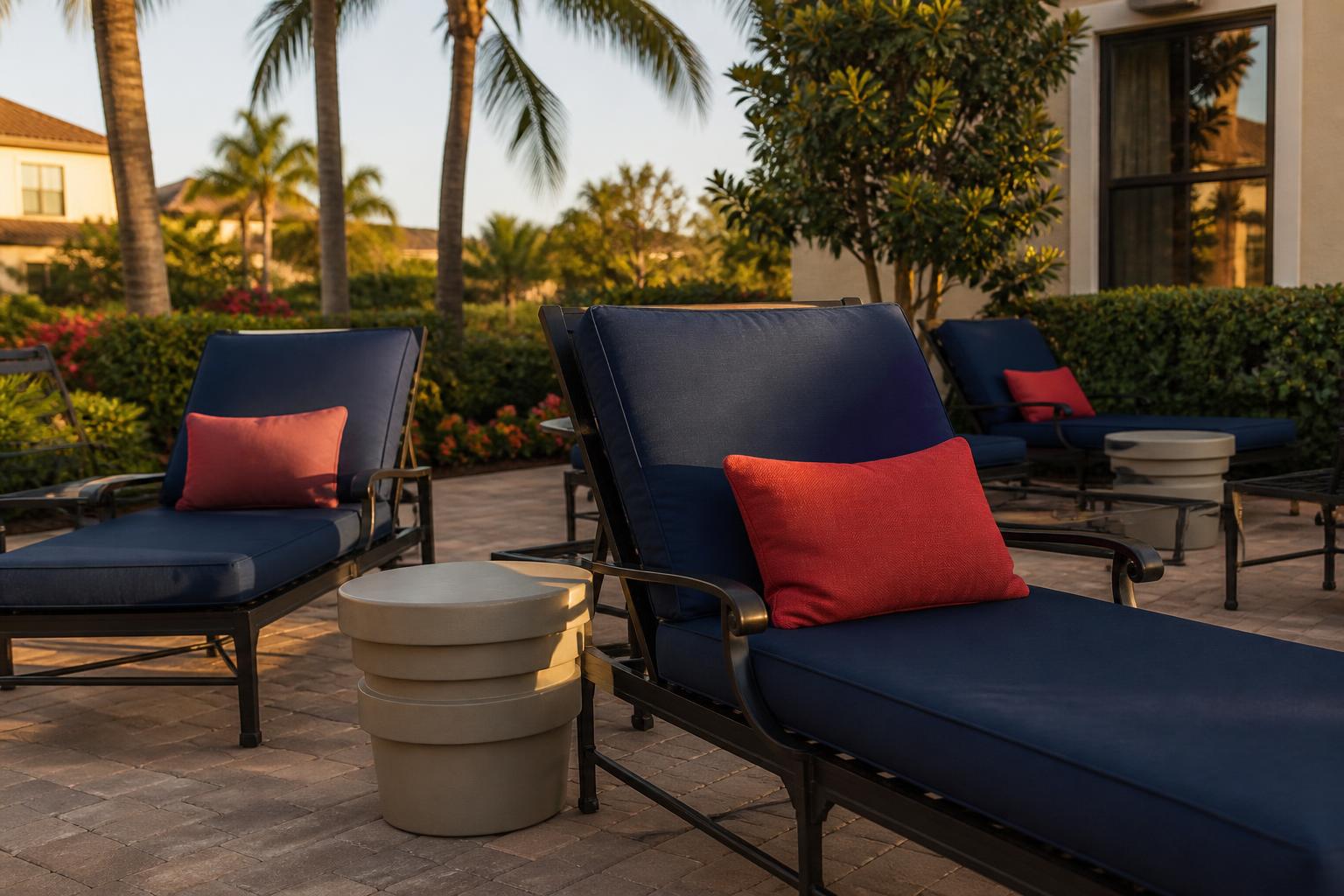
South Florida is a tough testing ground for outdoor fabric, and exposure varies a lot from one patio to the next even within the same neighborhood. A west-facing pool deck in Jupiter or Tequesta with no overhang gets brutal, unfiltered afternoon sun for years at a time, and that’s exactly the scenario where we push customers toward the higher-weight, higher-grade Sunbrella options. The tighter weave and enhanced UV stabilizers in those fabrics are what keep a bold navy or coral cushion from fading to a chalky version of itself within two summers.
If your furniture sits on a screened lanai or under a solid roof, you have more flexibility. You’ll still want a genuine Sunbrella fabric rather than an off-brand acrylic blend, since Sunbrella’s solution-dyed process means the color runs all the way through the fiber instead of sitting on the surface, but you can usually step down a grade without seeing a meaningful difference in how the cushions look five years from now. Homes closer to the Intracoastal or directly on the water should also weigh salt exposure, since airborne salt can accelerate wear on lower-grade fabrics faster than sun alone.
Cushion Fill Matters as Much as the Fabric Cover
We often get asked whether the fabric grade alone determines how long a cushion lasts, and the honest answer is no. The foam or fill inside the cushion plays just as large a role. A high-grade Sunbrella cover wrapped around a low-density foam core will still lose its shape and develop a swayback within a few seasons, while a quick-dry, open-cell foam designed for outdoor use will drain water after a rainstorm instead of holding it against the fabric, which is one of the biggest causes of premature mildew and fabric breakdown we see on trade-ins. When we build custom cushion sets, we pair the fabric grade to the expected sun exposure and the foam density to the expected use, whether that’s occasional guest seating or a daily-use lounge chair.
When It Makes Sense to Mix Grades on One Patio
You don’t have to use the same Sunbrella grade across every piece on your patio. A common approach we recommend is using a higher grade on pieces that sit in full sun, like a poolside chaise lounge, and a mid-tier grade on shaded dining chairs under a pergola. This lets you control cost without compromising durability where it actually matters. It also gives you room to coordinate colors across collections, since Sunbrella dyes its yarn in batches that are consistent within a collection, so mixing collections deliberately, rather than by accident, keeps your patio looking intentional rather than mismatched.
Caring for Sunbrella Regardless of Grade
Whatever grade you choose, a little routine care extends the life of any Sunbrella fabric. Brush off loose dirt and hose down cushions periodically rather than letting sunscreen, pollen, and salt residue build up in the weave. Standing your cushions on end after a hard rain, rather than leaving them flat, lets water drain out of the foam instead of pooling against the fabric backing. For deeper cleaning, a mild soap and water solution applied with a soft brush handles most stains without damaging the fabric’s water repellent finish, and we always recommend against harsh degreasers or bleach-based cleaners unless the manufacturer’s care guide specifically allows them for your fabric. Care steps can vary by product family and construction, so keep the collection name or style number with your receipt and swatch. Sunbrella’s official cleaning hub separates guidance for upholstery, sling, shade, marine canvas, and other applications instead of treating every fabric the same. Its everyday baseline starts with removing loose dirt, using mild soap, rinsing thoroughly, and air drying, but the instructions supplied for the exact fabric should take priority, especially when coated backings, trims, seams, or cushion inserts are involved. If you’re comparing fabric choices as part of a larger seating update, browse our outdoor furniture options and bring the swatch or a clear photo of its label so the material, cushion construction, and patio exposure can be considered together.
Frequently Asked Questions
Is a higher Sunbrella grade always worth the extra cost?
Not always. If your furniture sits under a solid roof or a screened enclosure with limited direct sun, a mid-tier grade will usually perform well for years. Full-sun, unshaded pool decks and waterfront patios are where the upgrade pays off fastest.
Can I tell the fabric grade just by feel?
Weight and weave density give you a rough sense, but the printed style number on the swatch or cushion tag is the reliable way to confirm which collection and grade you’re looking at. We can look up any swatch number for you if you’re comparing an older cushion to new fabric.
Does a higher grade mean a different warranty?
Warranty terms vary by Sunbrella collection rather than by a single grade label, and we go over the specific fade and warranty terms for whatever fabric you’re considering before you order, so there aren’t surprises later.
How often should cushion covers be replaced even with proper care?
Most well-cared-for Sunbrella cushions on a South Florida patio hold their color and shape for seven to ten years, with full-sun applications on the shorter end of that range and shaded applications on the longer end.
If you’re not sure which grade fits your patio, bring a photo of your space into our Jupiter showroom or send it to us before you buy. We’d rather help you choose the right grade the first time than have you replace cushions again in two years because the fabric wasn’t matched to your sun exposure.

About the Author
Chas Crofoot
Chas Crofoot is the owner of Beach House Patio Furniture, a family-owned outdoor furniture company in Jupiter, Florida. Since 1979, Chas and his team have manufactured and sold high-quality patio furniture — specializing in wicker, cast aluminum, aluminum, poly lumber, and PVC pipe styles built to withstand the Florida climate. With over four decades of hands-on experience in outdoor furniture design and manufacturing, Chas brings deep expertise in material selection, durability, and comfort for coastal living.