
A lot of the pool decks we furnish in Palm Beach County aren’t just for one household. Grandparents, adult children, and grandkids are often sharing the same pool on the same afternoon, and each group tends to want something different from the space. Grandparents usually want shaded, supportive seating away from splash zones. Parents want a spot to keep an eye on kids while still relaxing. And kids want open space to move. Laying out pool deck furniture for a multi-generational household means designing for all three at once, not just filling the deck with lounge chairs in a row.
Zoning Your Pool Deck by Activity
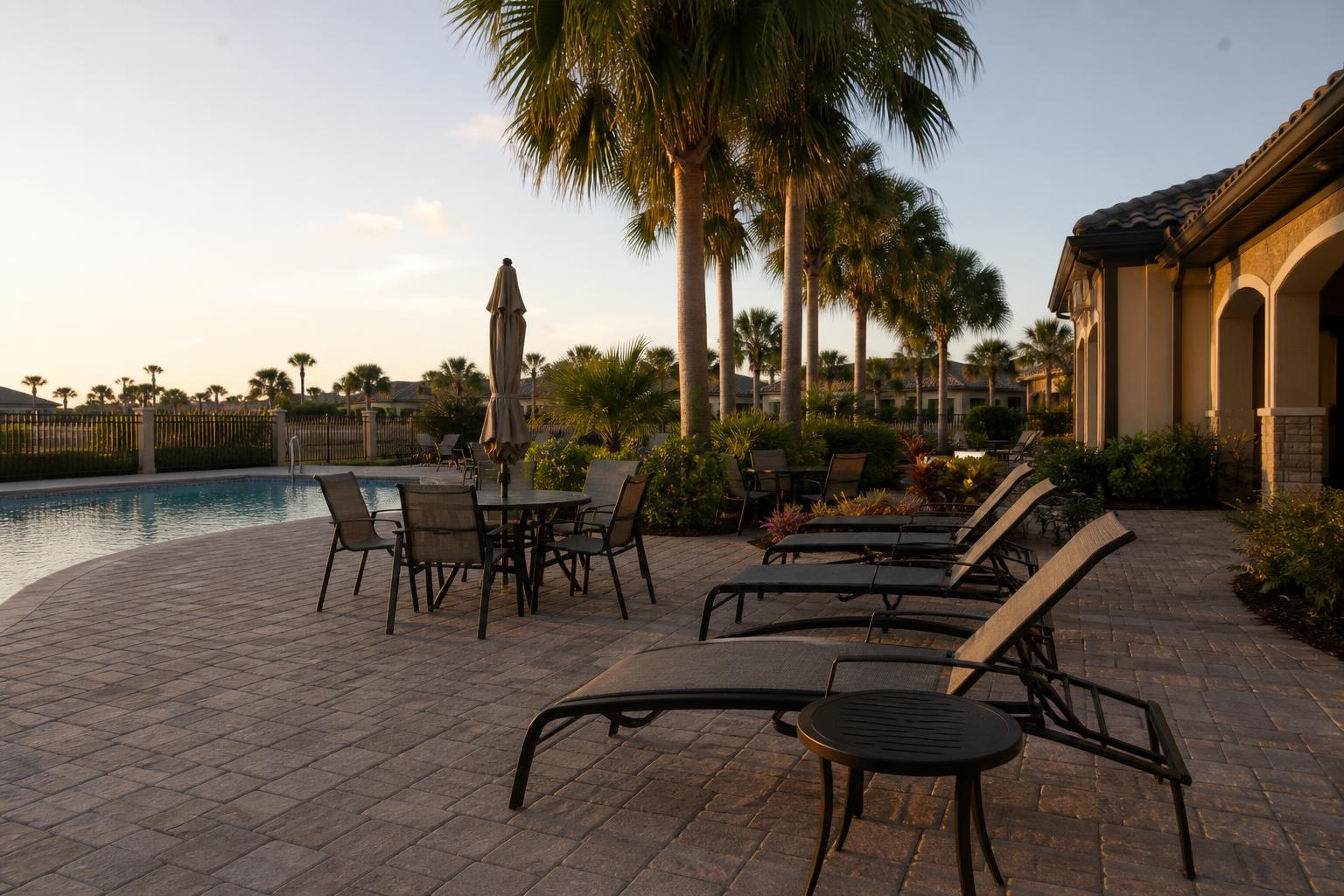
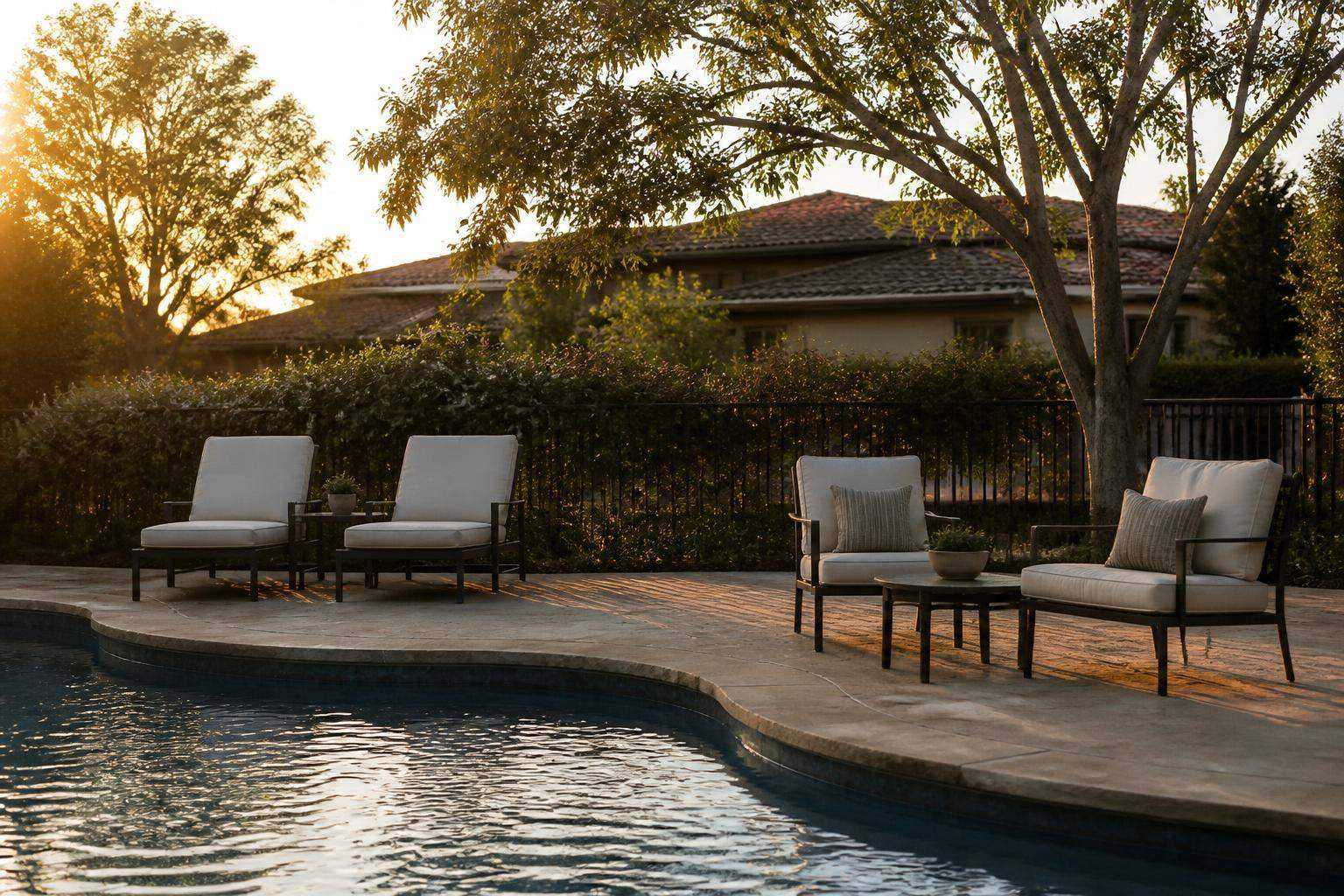
The most functional multi-generational pool decks we’ve helped design are broken into loose zones rather than one uniform seating arrangement. A shaded zone with more supportive seating, like a cushioned deep-seating set or a couple of higher-back chairs, works well for older family members who want to be near the water without sitting in direct sun all afternoon. A splash zone near the pool’s edge can stay more open, with a couple of water-resistant loungers rather than fabric-heavy furniture that gets soaked constantly. A separate dining or snack zone, even just a small table with a few chairs, gives everyone a place to eat without crowding the loungers.
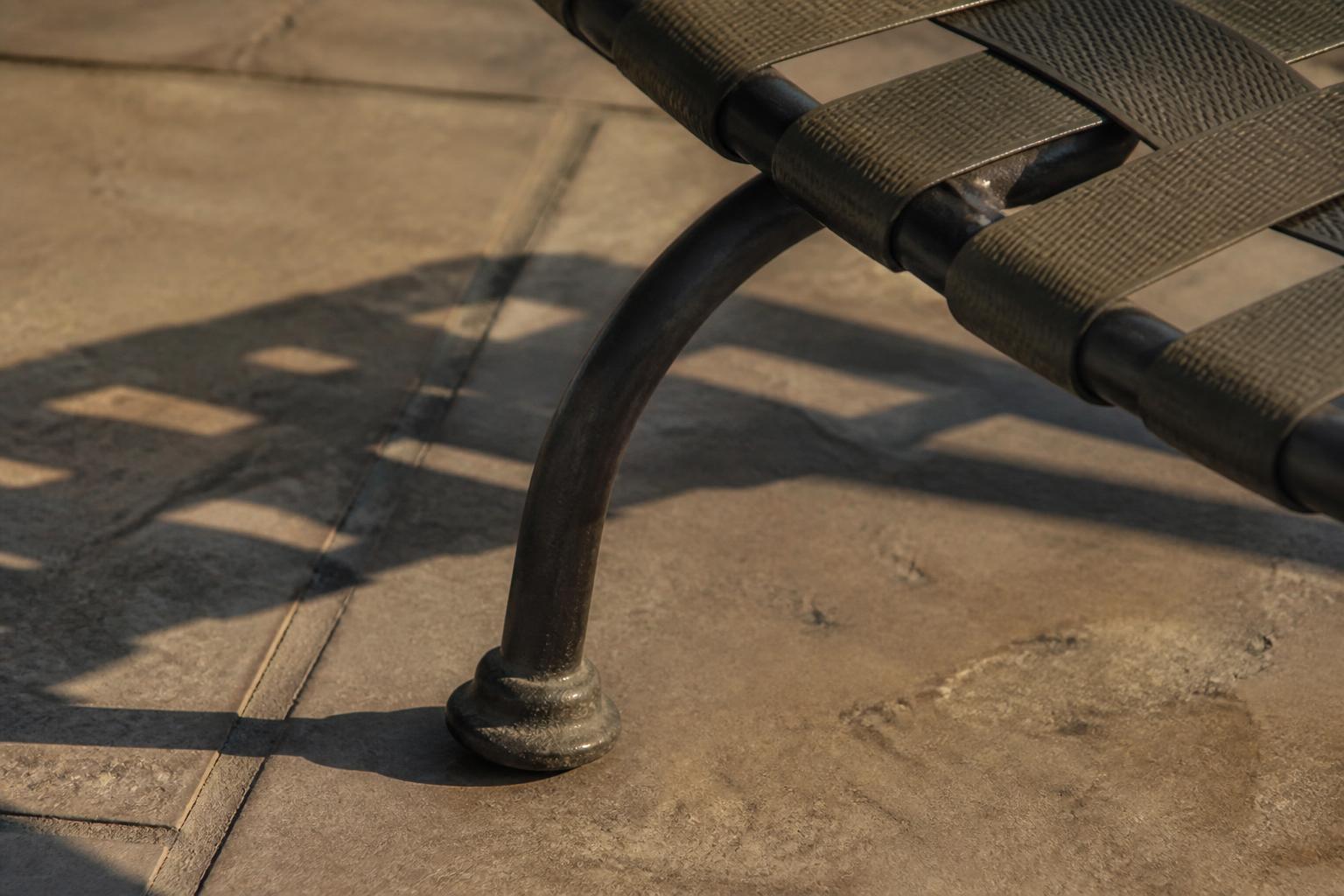
If your pool deck has an umbrella or a covered section already, that’s usually the natural spot for the shaded seating zone. If it doesn’t, positioning furniture near existing landscaping or the home’s own shadow line during peak afternoon hours can achieve something similar without adding a structure.
Choosing Furniture That Works for Every Generation
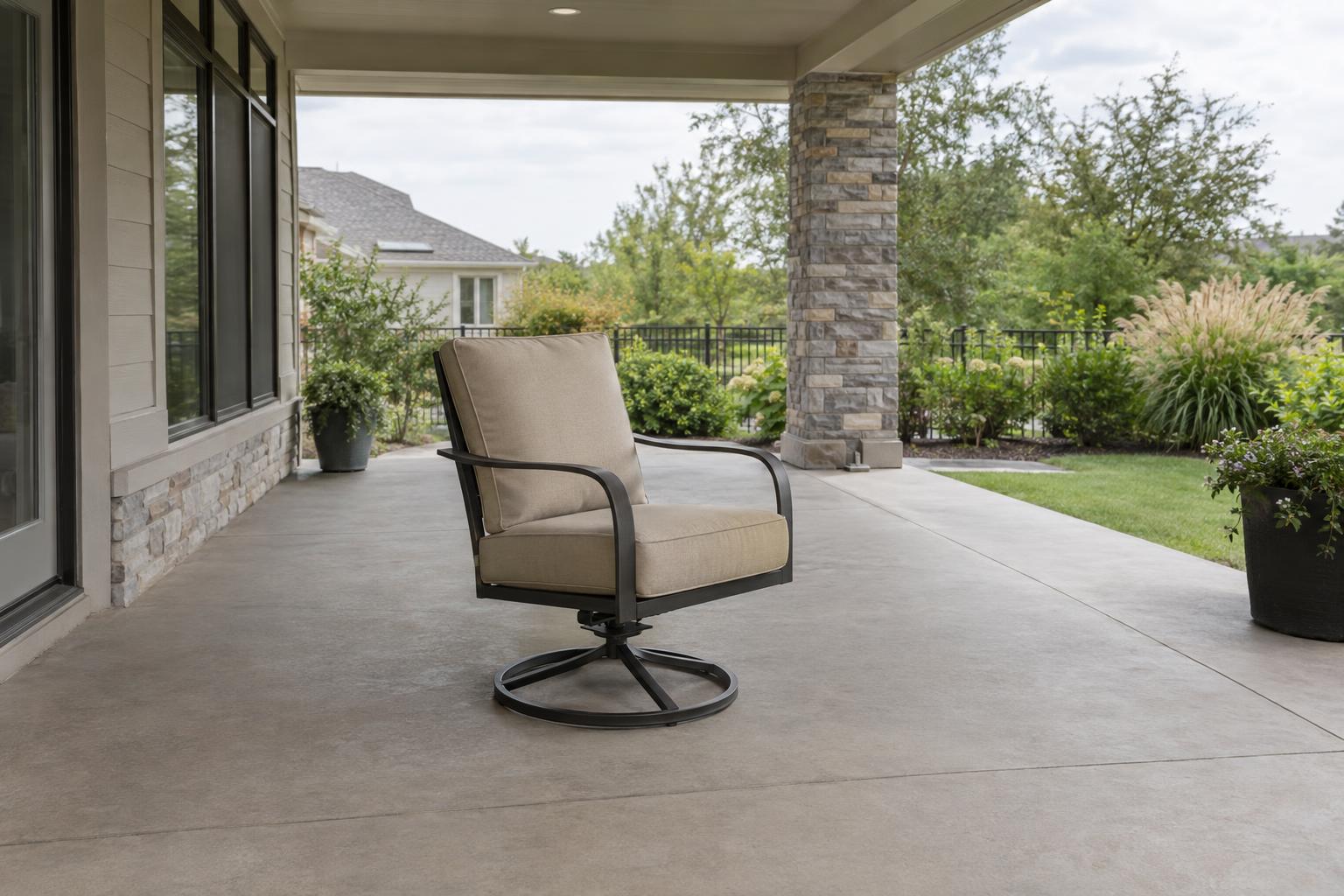
Comfort needs vary a lot across generations using the same pool deck. Older adults often do better with chairs that have a slightly higher seat height and firmer support, making it easier to sit down and stand back up, compared to a low-slung lounge chair that’s harder on the knees. Younger kids and teens tend to be fine with more casual, lower seating and don’t need the same back support. A mixed layout, some higher-support chairs near the shaded zone and more casual loungers near the water, tends to serve a multi-generational group better than an entire deck furnished with one single style of seating.
Material choice matters too when multiple generations and wet swimsuits are involved throughout the day. Quick-drying, UV-stable fabrics and rust-resistant frames hold up better to the heavier daily use a shared multi-generational pool deck sees compared to a deck used occasionally by one household.
Spacing for Safety and Comfort
With more people using the same pool deck, walking paths matter more. We generally recommend leaving at least three feet of clear walking space between furniture groupings and the pool edge itself, both for safety around younger kids moving quickly near the water and for older adults who may be using the deck with a cane or walker. Grouping furniture into distinct clusters, rather than lining pieces up in a single row, also naturally creates walking paths between zones without extra planning.
Storage and Rotation for Heavily Used Decks
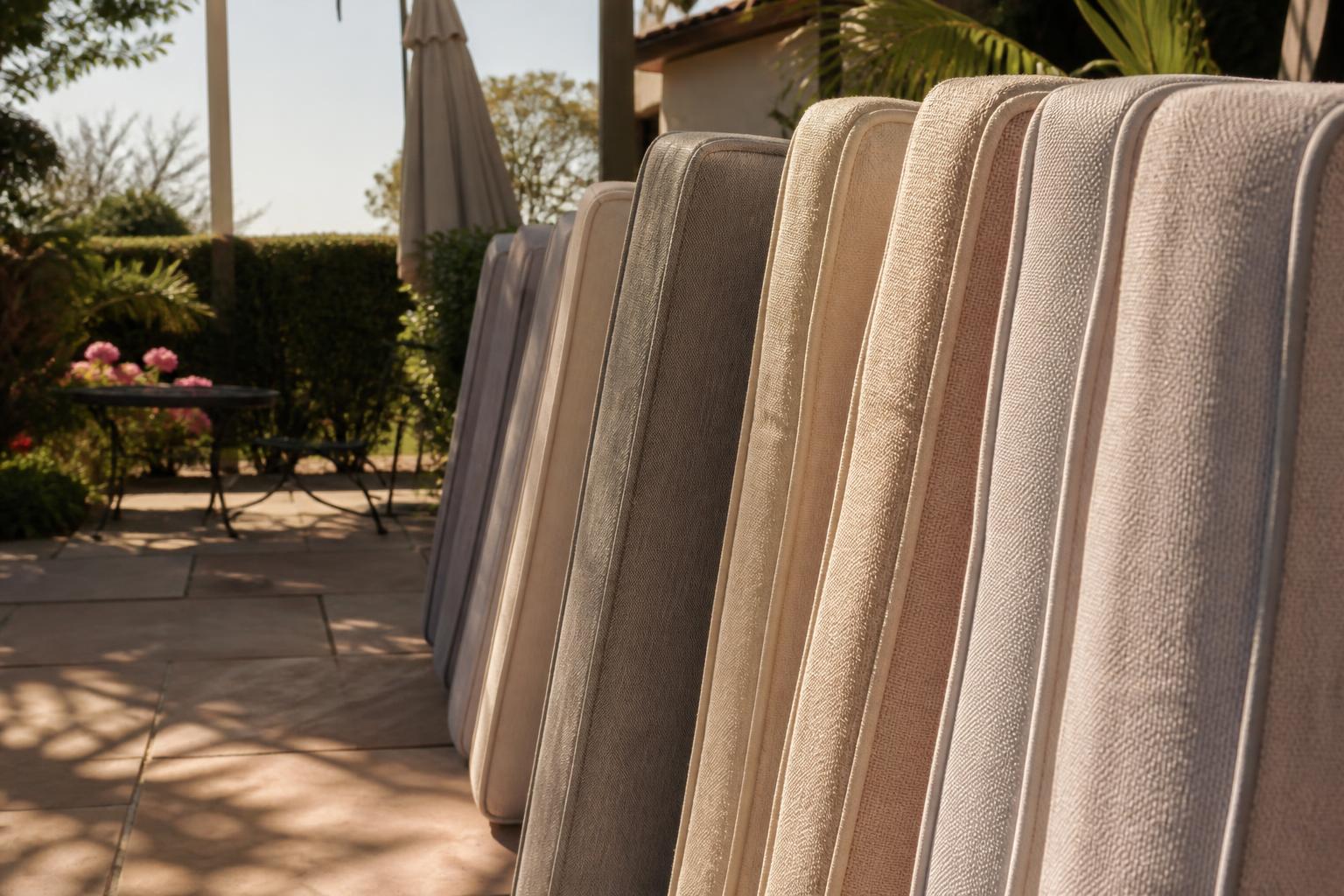
A pool deck used by multiple generations across several households tends to see furniture wear faster than one used occasionally by a single family, simply because of how much more frequently it’s in use. Rotating cushions between a sun-exposed spot and a shaded one periodically helps even out UV fading, so one set of cushions doesn’t fade noticeably faster than the rest of the deck. Keeping a couple of spare cushions on hand also helps, since a heavily used deck is more likely to have a cushion damaged or stained on any given weekend than a lightly used one.
If your household stores furniture during storm season or when out-of-town family isn’t visiting, choosing stackable or foldable pieces for at least part of the layout, particularly the pieces used only during larger gatherings, makes seasonal storage far more manageable than trying to move an entire deck’s worth of fixed furniture at once.
Choosing Materials That Handle Chlorine and Sun
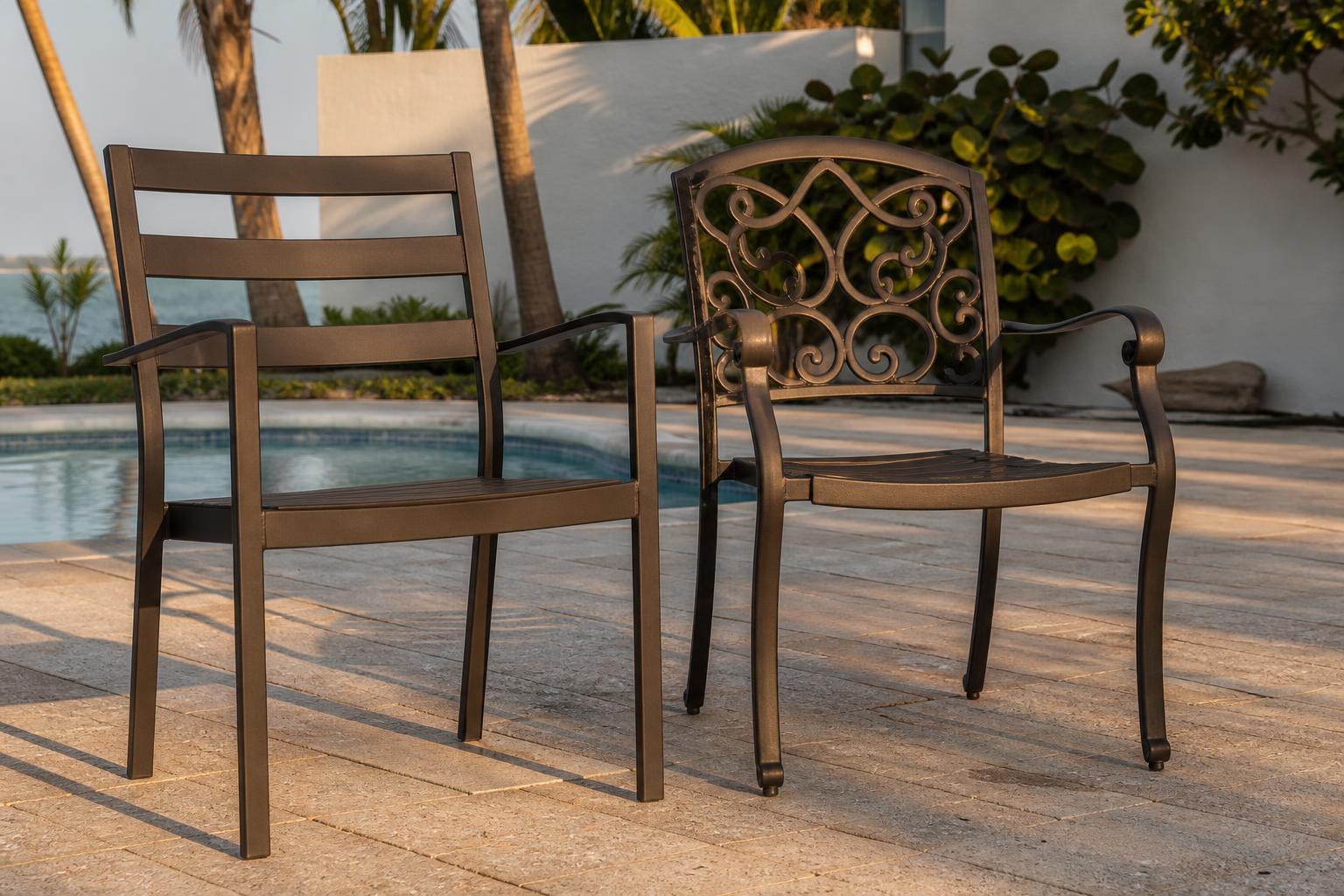
Pool decks put furniture through a specific combination of stresses that a typical backyard patio doesn’t see as intensely, regular chlorine or saltwater exposure from wet swimsuits, near-constant direct sun for much of the day, and frequent contact with wet skin and sunscreen. Aluminum frames with a quality powder coat finish hold up well against chlorine splash, while UV-stabilized synthetic wicker or solution-dyed fabric resists fading better than standard outdoor fabric under that level of consistent sun exposure. Quick-drying foam inside cushions, rather than standard foam, also helps prevent the mildew smell that can develop when cushions stay damp for hours at a time on a busy pool day.
Adding Shade Without a Permanent Structure
Not every multi-generational household wants or can add a permanent covered structure to a pool deck, but shade still matters for comfort across a full afternoon of use, especially for older family members or young children who overheat more easily. A cantilever umbrella positioned over the shaded seating zone gives flexible coverage that can be adjusted throughout the day as the sun moves, without the cost or HOA approval process a permanent structure might require. Positioning furniture to take advantage of any natural shade from the home itself during certain hours is also worth factoring into the initial layout, since a seating zone that’s shaded in the afternoon but sunny in the morning might suit a different generation’s schedule than one that works the opposite way.
If your household is planning a larger pool deck renovation alongside new furniture, coordinating the umbrella base or any built-in shade anchor points with your contractor before the deck surface is finished can save you from retrofitting anchor hardware into a completed pour later on.
Planning for Furniture That Grows With Your Family
Multi-generational households tend to change in size and composition over time, as grandkids get older, extended family relocates nearby, or a household expands to include an aging parent. Choosing a pool deck furniture layout with some built-in flexibility, rather than filling every available spot with fixed pieces from day one, makes it easier to add or rearrange seating as your family’s actual needs shift year to year. Leaving a bit of open deck space intentionally, even if it looks slightly underfurnished at first, gives you room to add a chair or small table later without needing to completely redesign the layout. Our team can also help you think through a phased furniture plan if you know your household is likely to grow or change in the next few years, so today’s purchase fits naturally alongside whatever you add later.
Frequently Asked Questions
How many lounge chairs should a multi-generational pool deck have?
It depends on how many people use the pool regularly, but we typically suggest planning for your largest common gathering size, plus a couple of extra seats in the shaded zone for anyone who prefers to sit rather than swim.
What furniture works best for grandparents who want to supervise from the deck?
Higher-back, higher-seat-height chairs positioned in a shaded zone with a clear sightline to the pool tend to work best, since they’re easier to get in and out of than a reclined lounge chair.
Can Beach House Patio Furniture help plan a full pool deck layout?
Yes, our team can walk through your pool deck’s dimensions and typical use patterns with you and suggest a furniture grouping that fits the space and the different generations using it.
How often should pool deck cushions be rotated or replaced?
For a heavily used, multi-generational deck, rotating cushion positions every few months helps even out sun exposure, and most quality outdoor cushions hold up for several years before needing full replacement with regular care.
If you’re planning furniture for a shared, multi-generational pool deck, visit our showroom or reach out through our contact page with your deck’s layout and typical family size, and we’ll help you put together a plan that works for everyone using the space.

About the Author
Chas Crofoot
Chas Crofoot is the owner of Beach House Patio Furniture, a family-owned outdoor furniture company in Jupiter, Florida. Since 1979, Chas and his team have manufactured and sold high-quality patio furniture — specializing in wicker, cast aluminum, aluminum, poly lumber, and PVC pipe styles built to withstand the Florida climate. With over four decades of hands-on experience in outdoor furniture design and manufacturing, Chas brings deep expertise in material selection, durability, and comfort for coastal living.