
Downsizing to a smaller home or condo in Palm Beach County after the kids move out usually means rethinking what furniture actually earns a spot in your new outdoor living space. The oversized dining set built for hosting a full family cookout doesn’t always make sense anymore, and neither does a sprawling sectional built for a much larger patio. We work with a lot of empty nesters going through this exact transition, and the goal is usually the same: keep the outdoor space comfortable and functional without furnishing for a household size you no longer have.
Right-Sizing Furniture for a Smaller Footprint
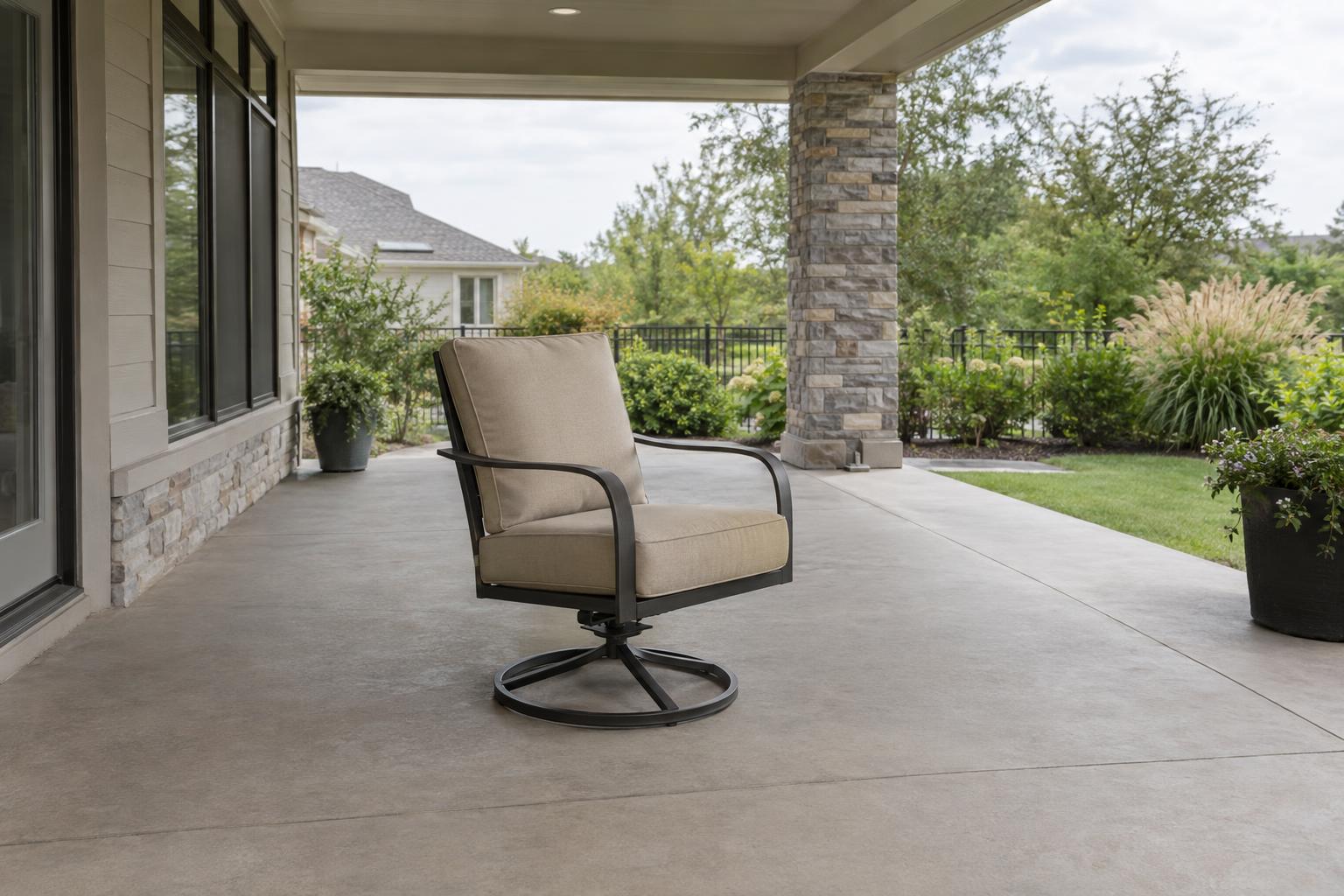
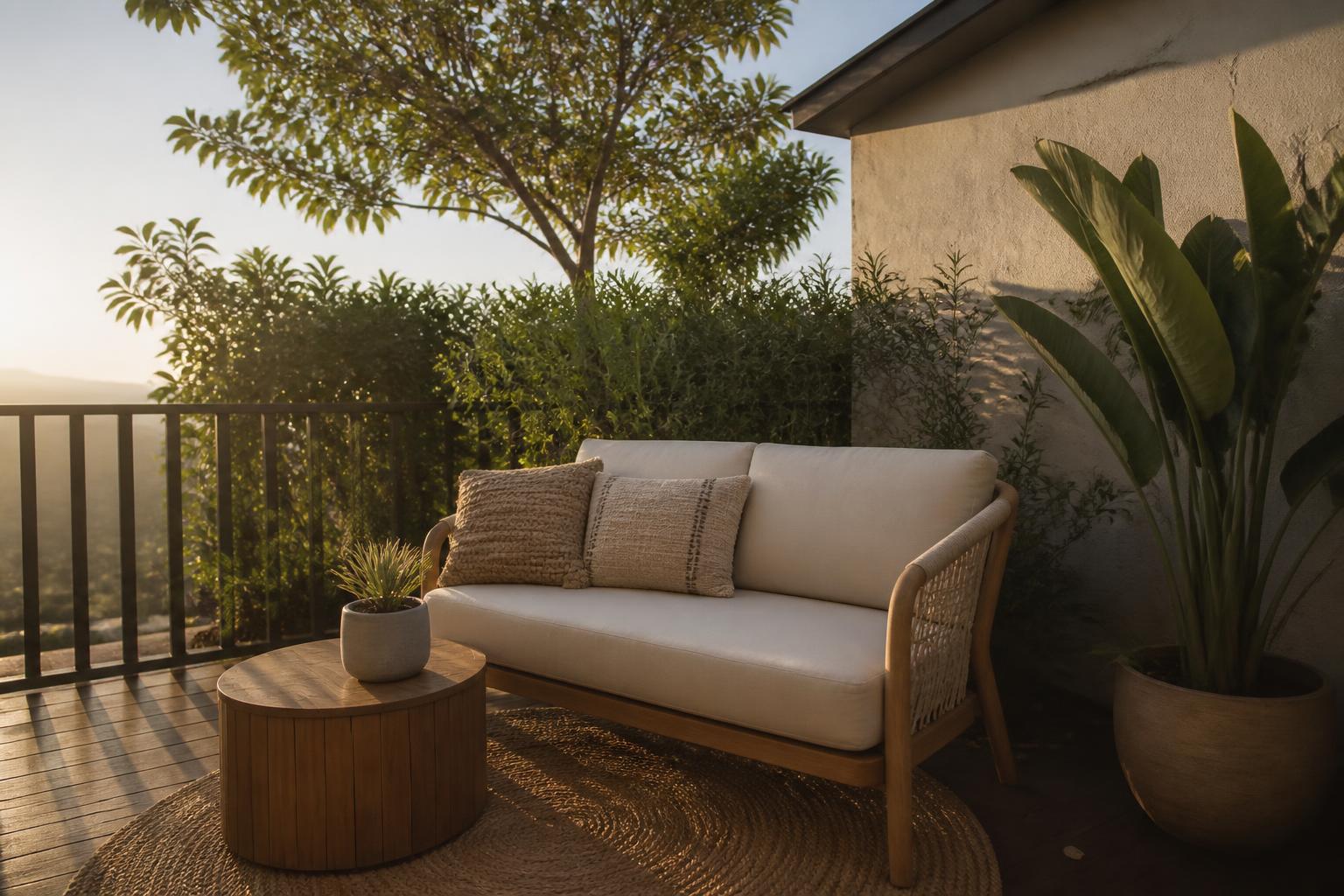
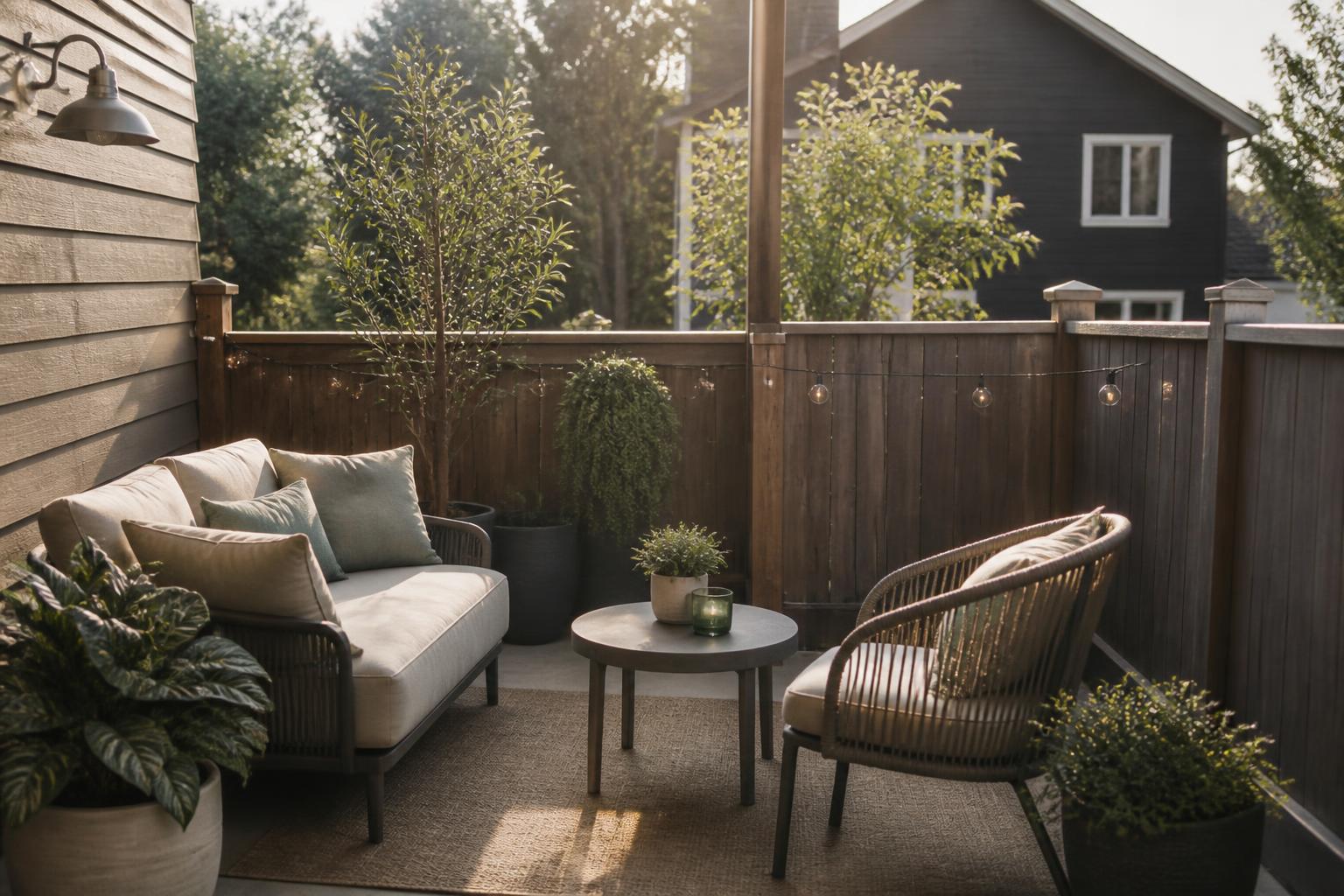
The first step is usually an honest look at how the new space will actually be used day to day. A couple relaxing with morning coffee needs very different furniture than a family hosting weekly barbecues. A compact loveseat and a single accent chair, paired with a small side table, often serves an empty nester’s daily routine better than a large sectional that goes mostly unused except for occasional visits from grown kids and grandkids. If those visits still happen a few times a year, a couple of lightweight, stackable extra chairs can fill in for bigger gatherings without permanently occupying floor space the rest of the year.
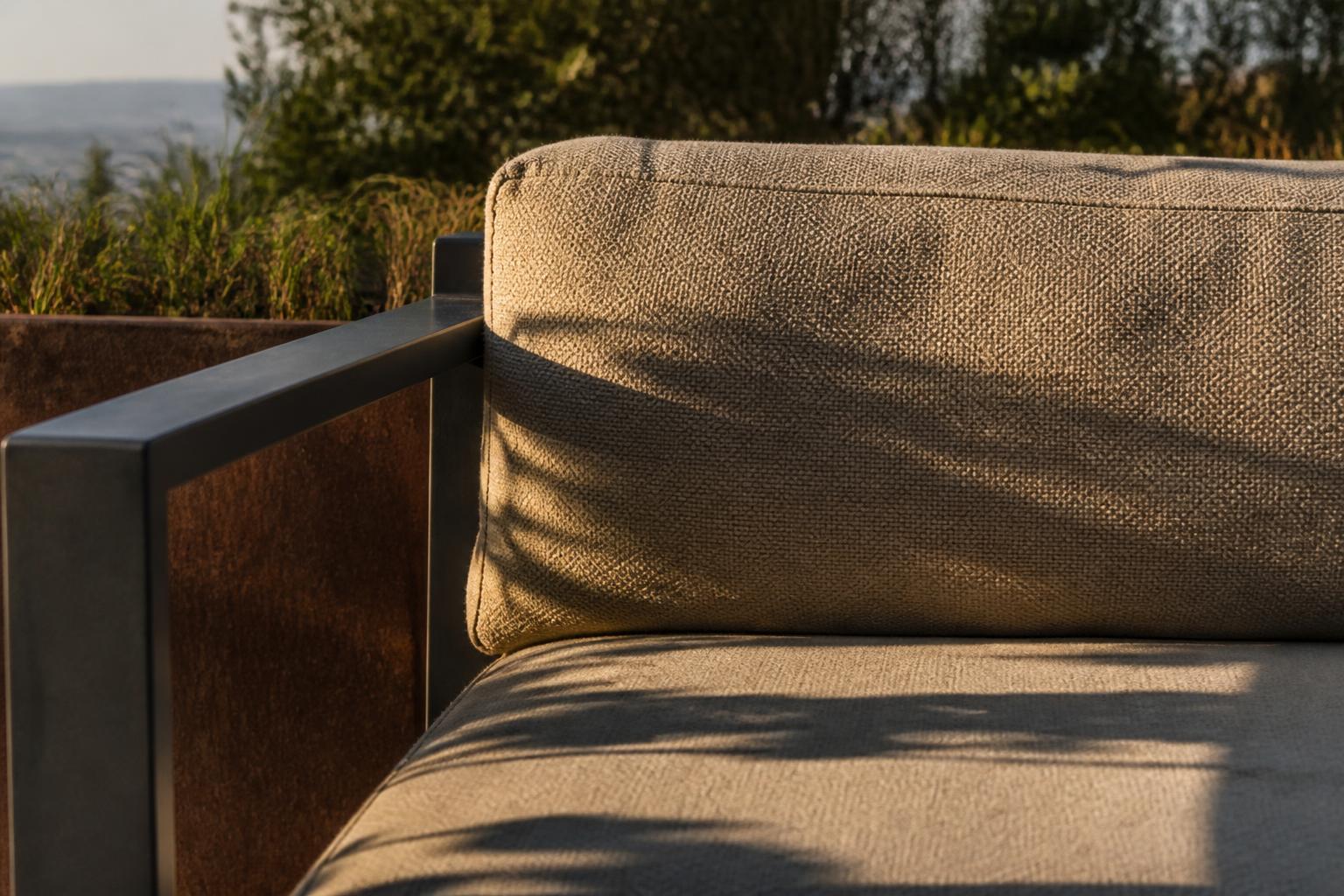
Scale matters visually too. Oversized furniture in a smaller outdoor living space can make the area feel cramped even if there’s technically room for it, while appropriately scaled pieces let the space breathe and feel more intentional.
Prioritizing Lower-Maintenance Materials
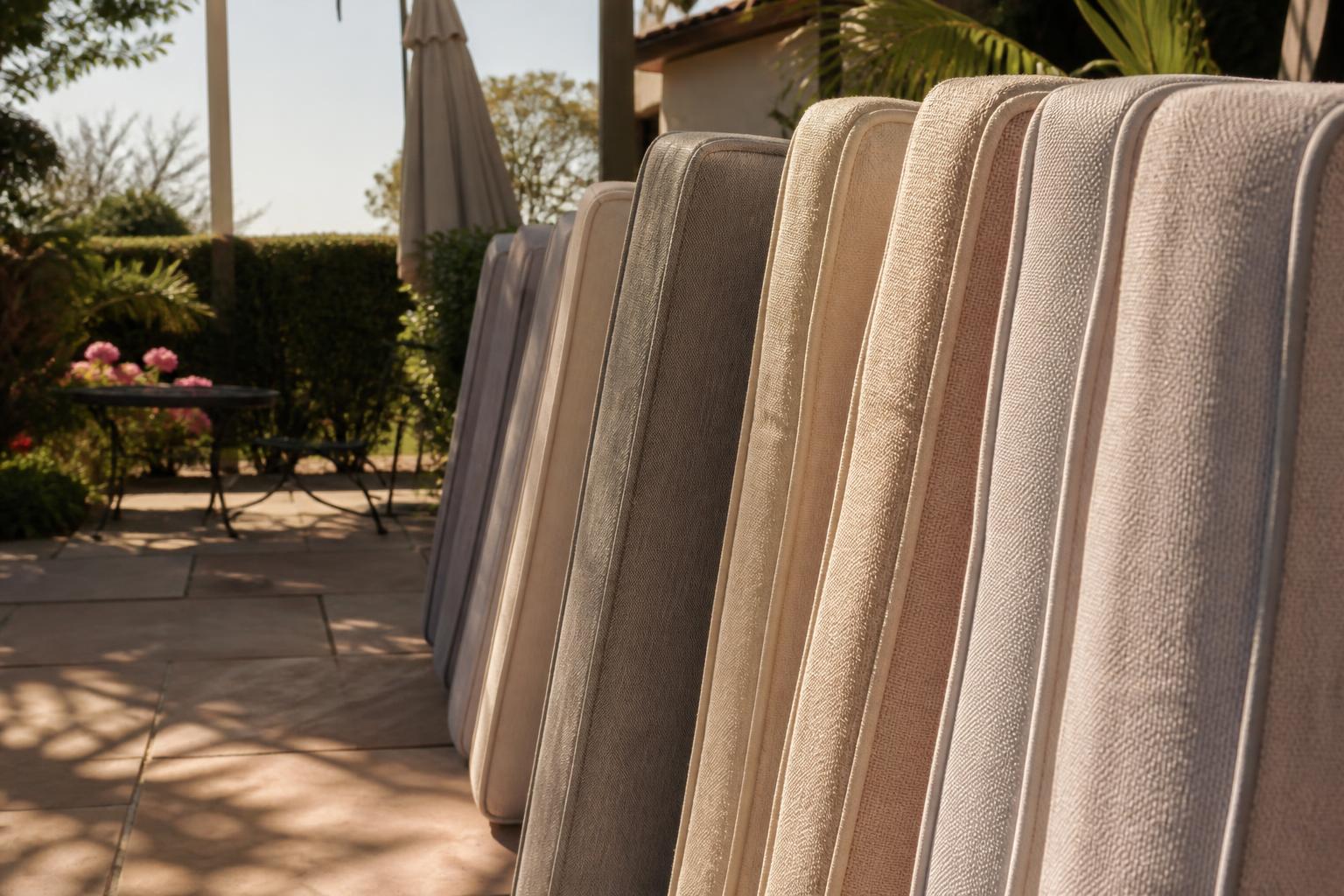
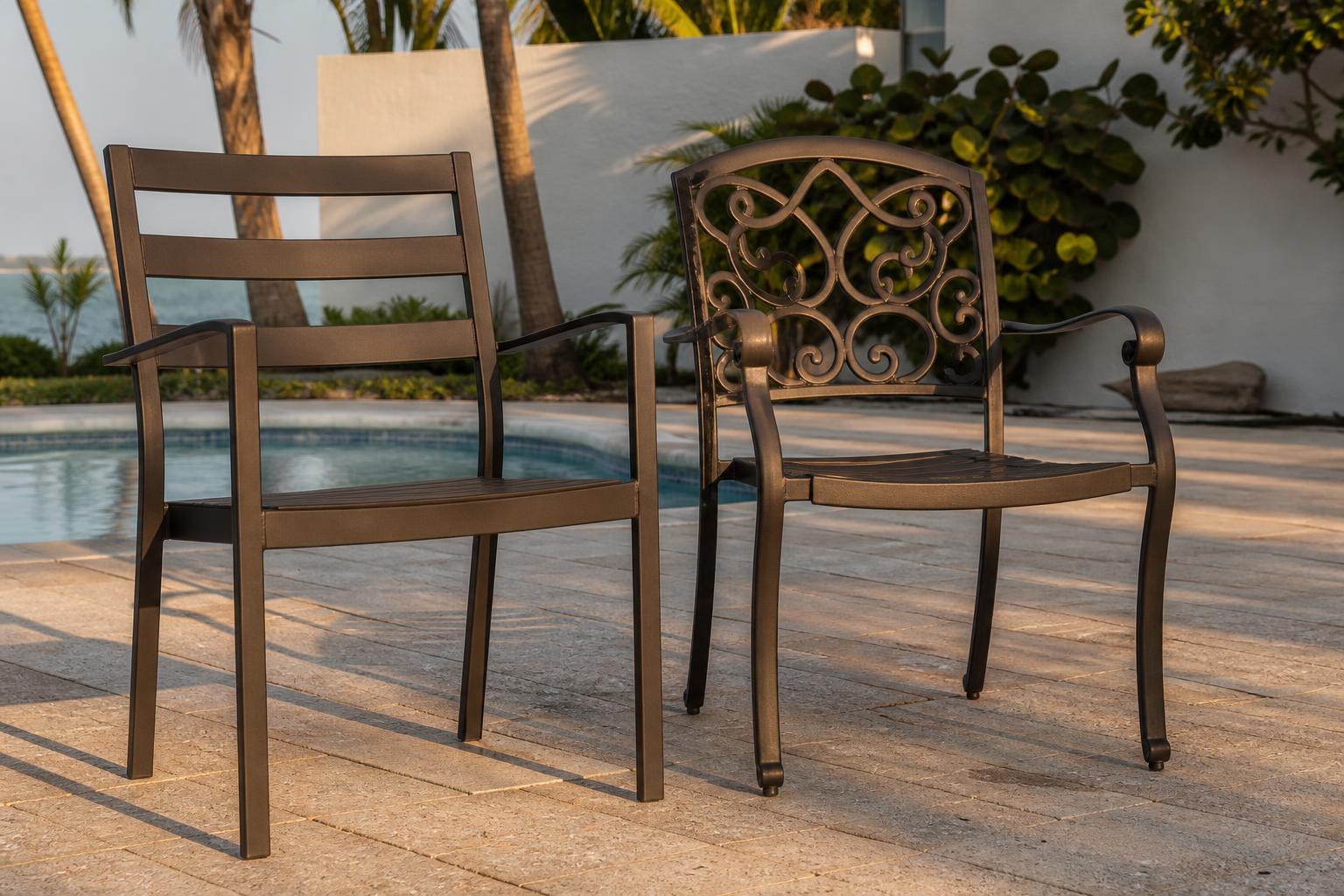
Many empty nesters downsizing are also looking to spend less time on maintenance overall, and outdoor furniture is a place where that’s easy to build in from the start. Aluminum and PVC frames require far less upkeep than wood, and UV-stabilized synthetic wicker or solution-dyed fabric cushions hold their color and resist mildew with minimal effort compared to older, less weather-resistant materials. If your new outdoor space has less covered area than your previous home, leaning toward materials rated for full sun exposure will save you from replacing cushions or frames prematurely.
It’s also worth thinking about how easy furniture is to move or rearrange on your own, since a smaller household often means handling setup, seasonal adjustments, or occasional rearranging without extra help. Lighter aluminum pieces are generally easier to manage solo than heavier cast options.
Making a Smaller Space Feel Complete
A smaller outdoor living space doesn’t have to feel like a compromise. Thoughtful additions like a small fire table for cooler evenings, a single well-chosen accent chair, or a compact bar cart for entertaining a few friends can make a scaled-down patio feel intentional rather than empty. We often suggest choosing fewer, better pieces rather than filling every inch of a smaller space, since a lightly furnished patio with quality pieces tends to feel more finished than one that’s overcrowded with mismatched furniture carried over from a larger previous home.
Deciding What to Keep and What to Replace
Downsizing often means a hard look at furniture you’ve had for years, and it’s worth separating pieces by condition and fit rather than sentiment alone. A well-maintained aluminum or wicker piece that’s held up well can usually transition to a smaller space without issue, especially if it’s a single chair or a small table rather than a large sectional. Pieces showing real wear, faded or torn cushions, rust spots, or a wobbly frame, are usually better replaced than moved, since a new smaller space is a natural point to start fresh rather than bringing along furniture that was already due for replacement.
If you’re unsure whether a piece is worth moving, bringing photos and measurements into our showroom lets our team help you decide what’s likely to work in the new space and what might be better replaced with something scaled to fit.
Creating a Space That Feels Like a Fresh Start
For many empty nesters, downsizing is as much an emotional transition as a practical one, and the outdoor space is often where that fresh start feels most tangible. Rather than replicating exactly what worked in a much larger previous home, this is a good opportunity to choose furniture that actually matches how you spend your time now, whether that’s quiet mornings with coffee, reading in the shade, or occasional visits from family. A smaller, well-chosen outdoor living space furnished intentionally often ends up getting used more consistently than a larger one that never quite felt finished.
Working With Limited Storage in a Smaller Home
Downsizing often means less garage or closet space overall, which affects how much seasonal furniture rotation makes sense for your new home. If storage is tight, prioritizing furniture rated for year-round outdoor exposure over pieces that need to come inside seasonally reduces how much you need to find room for elsewhere. When you do need to store something, whether cushions during the off-season or an extra chair used only for visits, compact, stackable, or foldable designs make a real difference in a home where every closet is already accounted for.
It’s also worth asking whether a piece can be disassembled for storage without special tools, since a design that breaks down into two or three flat components fits a shallow closet shelf far more easily than one bulky, fixed-shape item.
Taking Your Time With the Decision
There’s rarely a need to furnish an entire new outdoor living space in a single visit, and many empty nesters find it helpful to live in the new home for a few weeks first before committing to a full furniture plan. Spending time on the empty patio at different times of day reveals things a floor plan alone doesn’t, like which corner gets the most afternoon sun, where a breeze tends to funnel through, or which spot has the best view of the yard or water if you have one. Starting with one or two key pieces and adding the rest once you’ve gotten a feel for how you actually use the space tends to produce a better long-term result than furnishing everything at once based on guesswork alone. Our team is happy to help with a smaller initial order now and a follow-up visit later once your routine in the new home is more established.
Frequently Asked Questions
Should I bring my old patio furniture to a smaller new home?
It depends on the piece and the new space’s dimensions. We’re happy to help you evaluate whether existing furniture will fit proportionally, or whether it makes more sense to start with pieces scaled to the new outdoor space.
What’s the most space-efficient seating option for a small patio?
A loveseat paired with one or two accent chairs typically gives you flexible seating for two to four people without the footprint of a full sectional.
Can furniture be rearranged easily if I still host occasional larger gatherings?
Yes, lightweight aluminum or stackable chairs are easy to bring out for occasional larger visits and store again afterward, which works well for empty nesters who still host a few times a year.
Is it worth bringing measurements of my new patio to the showroom?
Yes, bringing exact dimensions along with any photos of the space helps our team suggest furniture that’s properly scaled, rather than guessing at size after the fact.
If you’re furnishing a smaller outdoor living space after downsizing, visit our Jupiter showroom or reach out through our contact page with your new patio’s dimensions, and we’ll help you choose pieces scaled to fit it well.

About the Author
Chas Crofoot
Chas Crofoot is the owner of Beach House Patio Furniture, a family-owned outdoor furniture company in Jupiter, Florida. Since 1979, Chas and his team have manufactured and sold high-quality patio furniture — specializing in wicker, cast aluminum, aluminum, poly lumber, and PVC pipe styles built to withstand the Florida climate. With over four decades of hands-on experience in outdoor furniture design and manufacturing, Chas brings deep expertise in material selection, durability, and comfort for coastal living.