
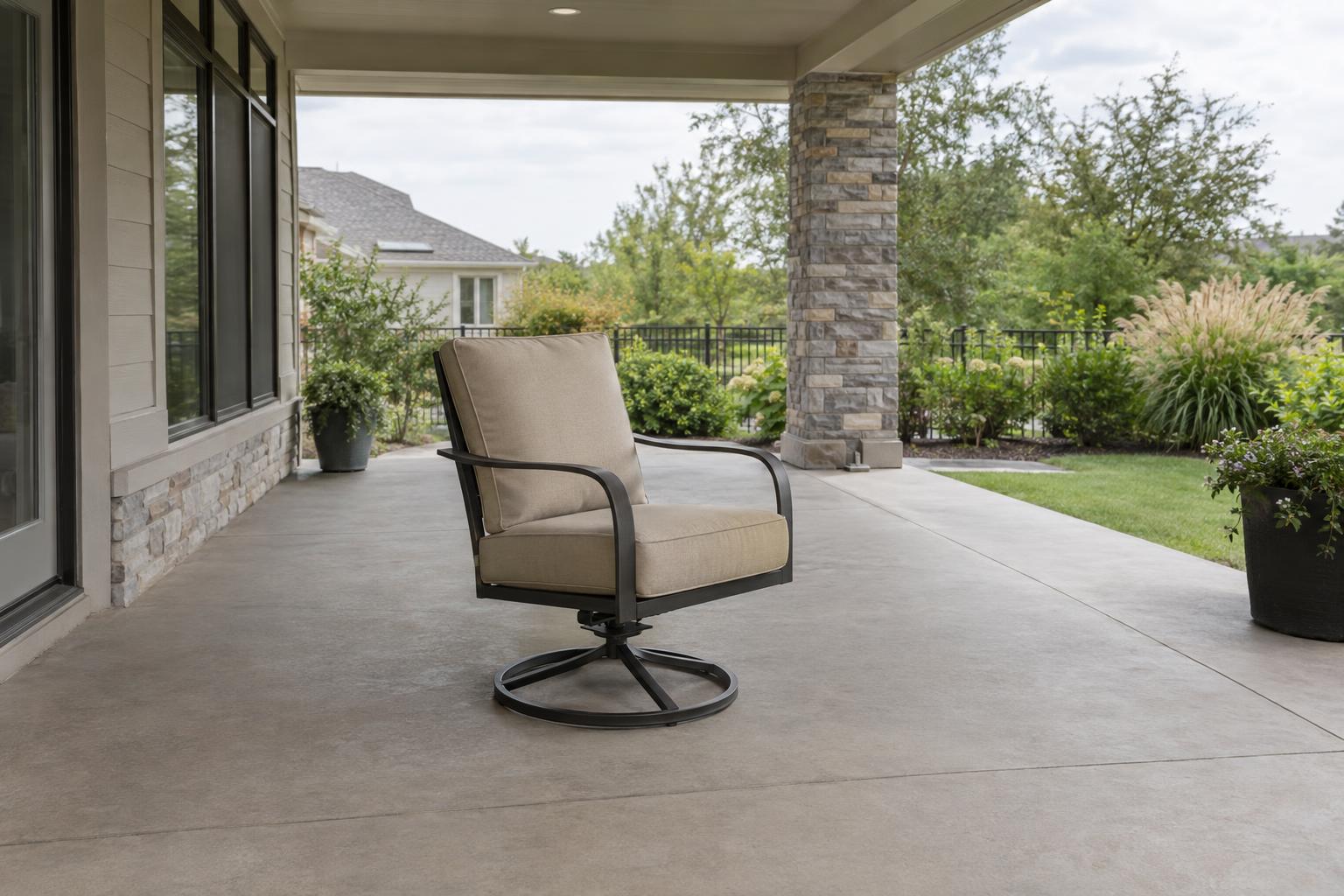
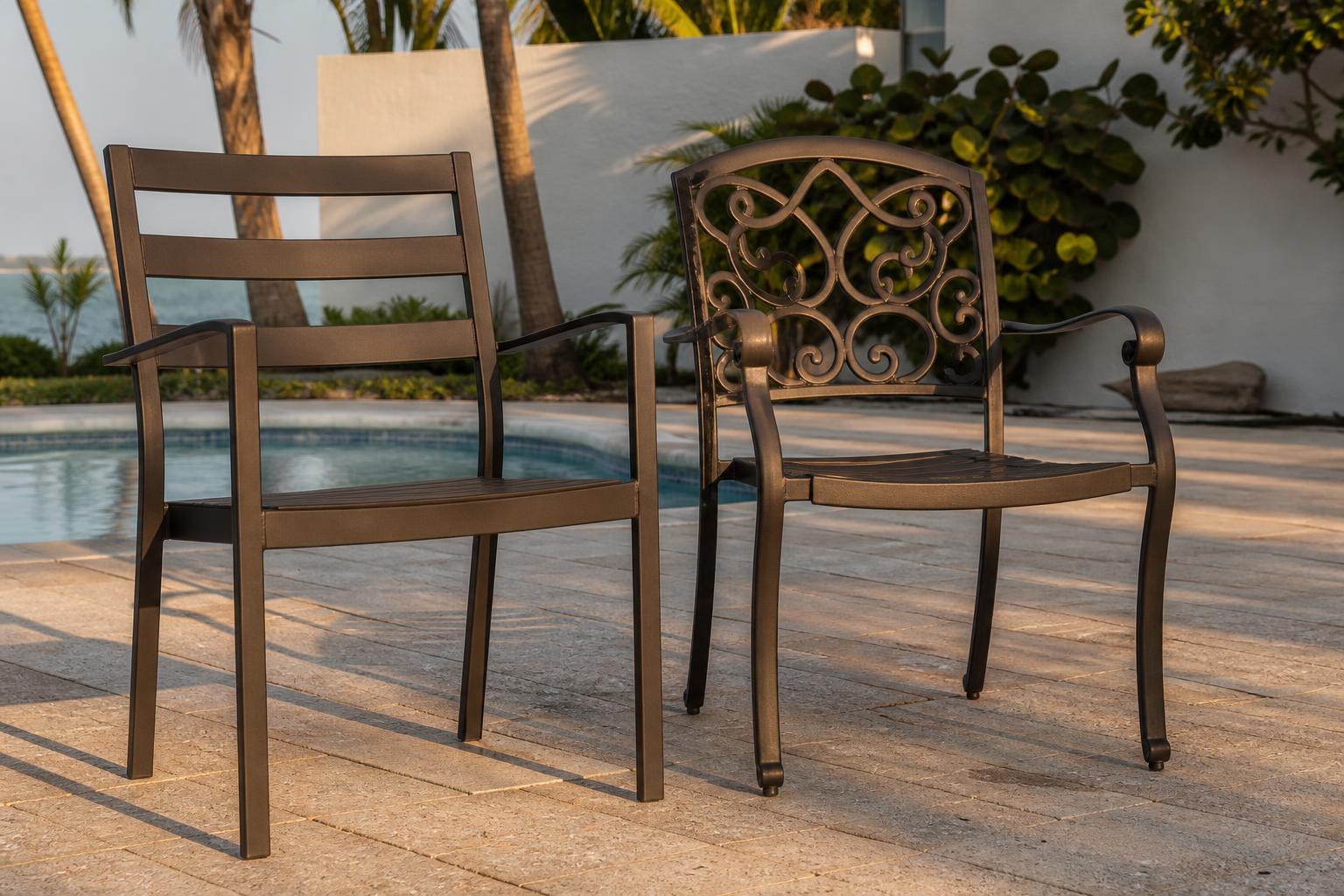
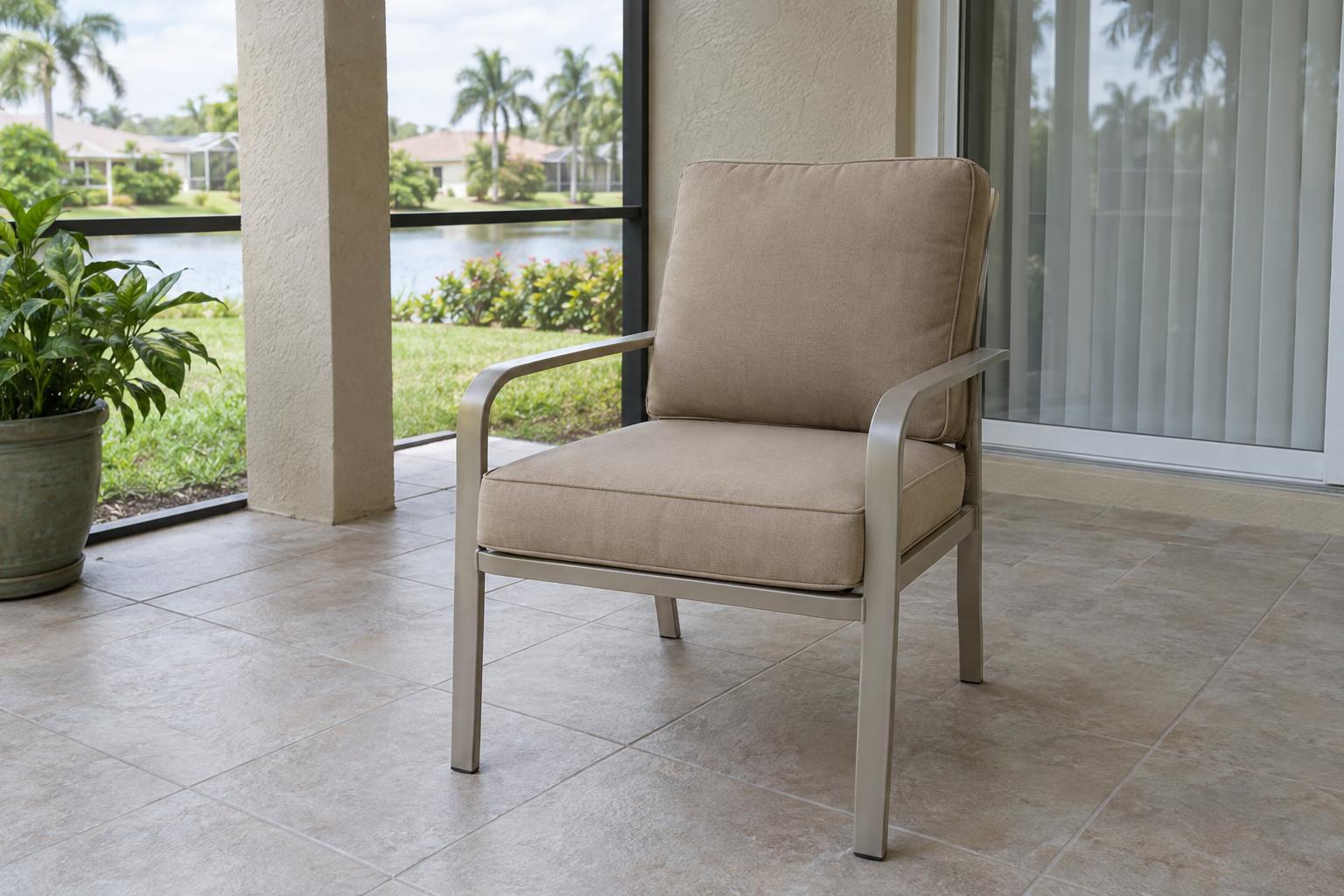

Purchasing cast aluminum patio furniture might seem straightforward at first, but it quickly becomes a complex task once you start shopping.
You might come across a beautiful set online. Perhaps it features a classic lattice back or a more modern chunky frame. The price appears reasonable. However, after reading a few reviews, you find yourself inundated with concerns about powder coating, rust, wind, wobble, cushions, fading, and the longevity of the furniture after enduring a harsh summer.
Let’s take a step back and approach this practically.
Cast aluminum can be an exceptional long-term investment. However, it can also turn into a regrettable purchase if certain details are overlooked initially. Here’s what to consider before making your investment.
Understanding What “Cast Aluminum” Means (And Why It Matters)
Cast aluminum is produced by pouring molten aluminum into a mold. This process differs from creating hollow aluminum tubing, which is lighter and typically less expensive.
The casting process allows manufacturers to produce thicker parts, curved arms, decorative details, and sturdier joints. In layman’s terms, cast aluminum tends to feel more solid, substantial, and stable — particularly for dining chairs and deep seating.
Moreover, aluminum does not rust like iron or steel. This characteristic is especially advantageous in coastal areas where the air is salty and humid. Florida’s weather — with its mix of salt air, humidity, afternoon rain followed by intense sun — poses a significant stress test for outdoor furniture.
However, it’s important to note that aluminum can still corrode if the protective finish fails and hardware can rust if it’s of low quality. So just because the label says cast aluminum doesn’t mean you’re in the clear.
Check the weight, but don’t obsess over “heavy is best”
A good cast aluminum chair should feel planted. Not “this will blow into the pool if I sneeze” light.
That said, heavier is not automatically higher quality. Some brands add bulk in weird places while still cutting corners where it counts. What you want is balanced weight and stiffness.
In the showroom or at delivery, do this:
- Pick up one chair slightly and set it down. Does it flex or twist?
- Sit and lean back naturally. Any creaks, shifting, or rocking?
- Try the “two leg wobble” check. Put one hand on the table, one on the chair back, and gently apply pressure. A well-made frame stays calm.
If you’re furnishing a windy area, like a beachfront patio, weight matters more. A sturdy cast aluminum base plus a heavier table is usually safer than super light modular pieces.
Look underneath. The underside tells the truth.
The top view is marketing. The underside is manufacturing reality.
Flip a chair (or at least bend down like you dropped a contact lens) and check:
- Joint areas: Are the connections thick and clean, or thin and rough?
- Welds and seams: Some cast pieces have welded sections or attached brackets. Sloppy welds are a red flag.
- Feet glides: You want decent quality glides that protect the finish and your patio surface. Cheap plastic feet crack and then you’re scraping metal on tile.
Also, check if the chair design has reinforcement where people actually put weight. Like the front of the seat and the arm supports.
For those looking to furnish their outdoor spaces with durable furniture, exploring options in cast aluminum collections could be worthwhile. From accessories to specific styles like the Grand Terrace collection, there’s a wide variety to choose from that can withstand various weather conditions while still being aesthetically pleasing.
Finish quality is everything. Specifically, powder coating.
Most good cast aluminum outdoor furniture, including items like fire tables and coffee tables, is powder coated. Powder coating is basically a baked on finish that resists chipping, fading, and corrosion better than regular paint.
Here’s what to ask and look for:
1) Is it powder coated, and is it multi step?
If the brand or store can explain their finish process, that’s usually a good sign. If they just say “weather resistant paint” and move on, it might be a lighter duty coating.
A stronger process often includes cleaning, pre treatment, primer, then powder coat, then curing. More steps usually means longer life. It also costs more, for a reason.
2) How even is the finish?
Look at corners, edges, and detailed patterns. That’s where coatings fail first.
If it looks thin on edges, rough like sandpaper in spots, or overly thick and drippy, you’re looking at inconsistent application.
3) Color choice matters more than people admit
Dark colors get hotter in direct sun. Light colors hide salt residue and dust better. Matte finishes can look amazing but may show oils from hands more.
If you’re in Florida, you’ll feel the difference between black arms and a lighter bronze finish in the middle of July. Ask me how I know.
Hardware: the sneaky weak link
Even if the frame is aluminum, screws and bolts might not be.
Ask what the hardware is made of. You want stainless steel if possible, especially near coastal areas.
And it’s not just rust. Bad hardware loosens faster. Then chairs wobble, tables shift, and you start tightening everything every few weeks like it’s your new hobby.
Also check if replacement hardware is easy to get. Stuff happens. Things get lost during moves. A company that’s been around a long time is usually better at supporting parts
Comfort is not optional. Test the angles.
When it comes to cast aluminum frames, they are rigid. So the comfort comes from design geometry and cushions, not from the frame flexing.
If you can, sit in it like you actually live there:
- Lean back and see where the chair hits your shoulder blades
- Check seat depth. Too shallow feels like perching. Too deep makes shorter legs dangle.
- Arm height matters at dining tables. Some arms won’t slide under certain table aprons.
For dining sets, bring a little measuring tape or at least ask the table height and chair arm height. It saves you from the annoying “these don’t fit under the table” surprise.
Cushions: the part you’ll replace first, so choose wisely
A lot of people buy frames and treat cushions as an afterthought. But cushions are the daily touch point. You feel them. You see them. You clean them. They fade. They mildew. They get hit by sunscreen and pool water.
Here’s what I’d look for:
Fabric performance
For Florida and the Southeast in general, you want outdoor performance fabric built for UV and moisture. Brands matter, but construction matters too.
Ask things like:
- Is it solution dyed acrylic (better fade resistance)?
- Is it water resistant or quick dry?
- Is the fabric removable and washable?
Having a huge fabric selection is genuinely helpful because you can choose based on your actual environment. Like, if you have a screened lanai you can go lighter. If you’re full sun poolside, you might pick something more forgiving and fade resistant.
Also, when considering your dining experience, don’t forget to check out our range of dining tables that perfectly complement your cast aluminum chairs while ensuring comfort and style.
Cushion core
You’ll hear terms like “high density foam” all the time. Ask for specifics.
- For deep seating, look for foam that doesn’t collapse quickly.
- For rainy climates, quick dry foam or drainage features can be worth it.
Also check the seams. Double stitched is better. Zippers should feel solid, not flimsy.
Sizing your space: a quick reality check
This is where people spend big money and then realize the layout feels cramped.
Before you buy, map it out. Even a rough tape outline on the patio works.
General spacing guidelines that keep things livable:
- Dining chairs: allow about 24 inches per person at the table
- Clearance behind dining chairs: at least 36 inches to comfortably get up
- Conversation seating: leave space for walking paths, not just “it fits”
And remember. Outdoor furniture looks smaller in a huge showroom. Then it arrives and suddenly your lanai feels like a furniture maze.
Weather resistance: beyond the frame
While cast aluminum is a strong base for outdoor furniture, your real outdoor durability is a full system that includes:
- Finish quality
- Hardware quality
- Cushion fabric and foam
- How water drains off the design
Look at the seat design of your chosen cast aluminum seating. Does it trap water in little channels? Are there drainage gaps? Does the tabletop hold puddles?
If a table has ornate patterns, it can be gorgeous. It can also collect pollen and grime. Not a deal breaker, just something to be honest about. If you hate cleaning, choose simpler surfaces.
When selecting cast aluminum chairs, sofas, chaise loungers, or loveseats, keep these points in mind for optimal comfort and longevity.
Maintenance: what you’re signing up for
Cast aluminum is relatively low maintenance, which is part of the appeal. However, it is not “never touch it again” furniture.
Plan on:
- Occasional washing with mild soap and water
- Avoiding harsh abrasives that scratch the finish
- Tightening hardware once or twice a year
- Using furniture covers if your setup is exposed and you want the finish to stay pristine longer
If you’re close to the ocean, a simple rinse now and then helps reduce salt buildup. It’s boring advice, but it works. For more detailed advice on maintaining your outdoor furniture, check out this guide.
Customization: worth paying for, if you plan to keep it
If you’re buying patio furniture as a long-term piece, customization is one of those things you appreciate later.
Choosing your frame color, your fabric, your cushion thickness, maybe even the exact seating configuration helps the furniture feel like it belongs to your home, not like you grabbed whatever was left in a warehouse.
It also lets you solve real problems:
- Lighter fabric for heat, darker fabric to hide stains
- Patterned fabric for high traffic areas
- Specific colors that match pool tile, exterior paint, or a coastal theme
A big fabric library, like 500 plus options, sounds excessive until you’re trying to match something specific and you realize most places give you eight choices and four of them look the same.
Trial periods and transparency: underrated buying signals
A solid trial period matters because you can’t fully judge outdoor furniture in a five-minute showroom sit.
A 30-day trial gives you time to notice stuff like:
- Does the dining chair feel comfortable for a full meal?
- Do the cushions get too warm in sun?
- Does the table size actually work with your traffic flow?
- Are you constantly adjusting pieces because something is slightly off?
Also, transparency helps. Factory videos, behind-the-scenes content, close-ups of how furniture is built. It’s not just marketing. It’s a signal the company is comfortable showing you how things are made.
If you’re considering such purchases, it’s beneficial to explore various patio furniture options that cater to your specific needs. Furthermore, understanding the outdoor furniture market can provide valuable insights into making informed decisions.
Eco Friendly Practices: What Do They Really Mean?
“Sustainable” can be real, or it can be just a label.
If you care about eco-friendly furniture, ask specific questions:
- Is the aluminum recycled content?
- Are finishes low VOC?
- Are processes designed to reduce waste?
- Are fabrics chosen with durability in mind, so you replace less often?
Durability itself is a form of sustainability. If a set lasts 15 years instead of 3, that’s fewer replacements, fewer deliveries, less landfill. Simple.
Price: How to Tell if You’re Getting Value, Not Just a “Deal”
Cast aluminum ranges widely in price. You’ll see bargain sets that look nice in photos and premium sets like the Biscayne Furniture Patio Set that cost a lot more.
So what’s fair?
A better question is: what are you paying for?
- Thicker castings and better engineering
- Better powder coating process
- Stainless hardware
- Higher end cushion fabric and foam
- Warranty support and replacement parts
- Quality control and consistency
Factory pricing can help because it cuts out some layers of markup. Especially if you’re local and buying from a company that actually serves your region and keeps the operation tight. It’s one reason family-run patio furniture businesses can be a sweet spot. You get better attention, and often more honest guidance, without the fancy luxury showroom overhead.
A Quick Checklist to Bring With You (or Keep in Your Phone)
Before you buy cast aluminum patio furniture like this patio set, check:
- Powder coated finish, applied evenly
- Stainless or rust resistant hardware
- Frame feels stable, no flex or wobble
- Comfortable seat angle and arm height
- Cushions: removable covers, durable outdoor fabric, quality foam
- Table and chair sizing fits your real patio space
- Water drainage and easy cleaning surfaces
- Warranty, replacement parts, and customer support
- Trial period or satisfaction guarantee if possible
- Custom color and fabric options if you want it to feel intentional
Additionally, consider investing in cast aluminum accessories or aluminum chaise loungers which are not only stylish but also practical for your outdoor space.
Wrap up, what I’d do if I were buying today
If I were shopping for cast aluminum furniture right now, especially in Florida or anywhere in the Southeast, I’d prioritize three things.
Finish quality first. Comfort second. Support third.
Because the truth is, even gorgeous patio furniture gets annoying if it chips easily, or if you never want to sit in it, or if the company disappears the second you need a cushion replacement.
Look for a place that’s been doing this a long time, knows the climate, offers real customization, and backs it up with straightforward policies like a trial period. Bonus points if they’re transparent about how the furniture is built, and if their customer service feels like actual humans who pick up the phone and help.
That’s the stuff you remember years later. Not just the scroll stopping product photo.
FAQs (Frequently Asked Questions)
What is cast aluminum patio furniture and why is it a good choice for outdoor use?
Cast aluminum patio furniture is made by pouring molten aluminum into molds, allowing for thicker parts, decorative details, and sturdy joints. It’s a solid, stable option that resists rust unlike iron or steel, making it especially suitable for coastal or humid environments.
How can I tell if a cast aluminum chair is of good quality when shopping?
Check the chair’s weight for balanced heft—not too light or unnecessarily heavy. Test for flexing or twisting by lifting slightly, sit and lean back to detect creaks or wobbling, and perform the “two leg wobble” test by applying gentle pressure on the table and chair back to ensure frame stability.
Why should I inspect the underside of cast aluminum furniture before purchasing?
The underside reveals manufacturing quality. Look for thick, clean joint connections, neat welds without roughness or sloppy work, and quality feet glides that protect both the furniture finish and your patio surface. Reinforcements in high-stress areas like seat fronts and arm supports are also important.
What makes powder coating important for cast aluminum outdoor furniture?
Powder coating is a baked-on finish that provides superior resistance to chipping, fading, and corrosion compared to regular paint. A multi-step powder coating process—including cleaning, pre-treatment, primer application, powder coat, and curing—ensures longer-lasting durability essential for outdoor conditions.
How does color and finish affect the performance of cast aluminum patio furniture?
Color impacts heat absorption; dark colors get hotter in direct sun while lighter colors better hide salt residue and dust. Matte finishes look stylish but may show oils from hands more easily. Choosing an appropriate color and finish can enhance comfort and maintenance depending on your climate.
What should I know about hardware used in cast aluminum patio furniture?
Hardware like screws and bolts can be weak points if made from low-quality materials prone to rust. Even though aluminum doesn’t rust easily, poor-quality hardware can corrode and compromise furniture stability. Always inquire about hardware quality when selecting cast aluminum pieces.

About the Author
Chas Crofoot
Chas Crofoot is the owner of Beach House Patio Furniture, a family-owned outdoor furniture company in Jupiter, Florida. Since 1979, Chas and his team have manufactured and sold high-quality patio furniture — specializing in wicker, cast aluminum, aluminum, poly lumber, and PVC pipe styles built to withstand the Florida climate. With over four decades of hands-on experience in outdoor furniture design and manufacturing, Chas brings deep expertise in material selection, durability, and comfort for coastal living.