
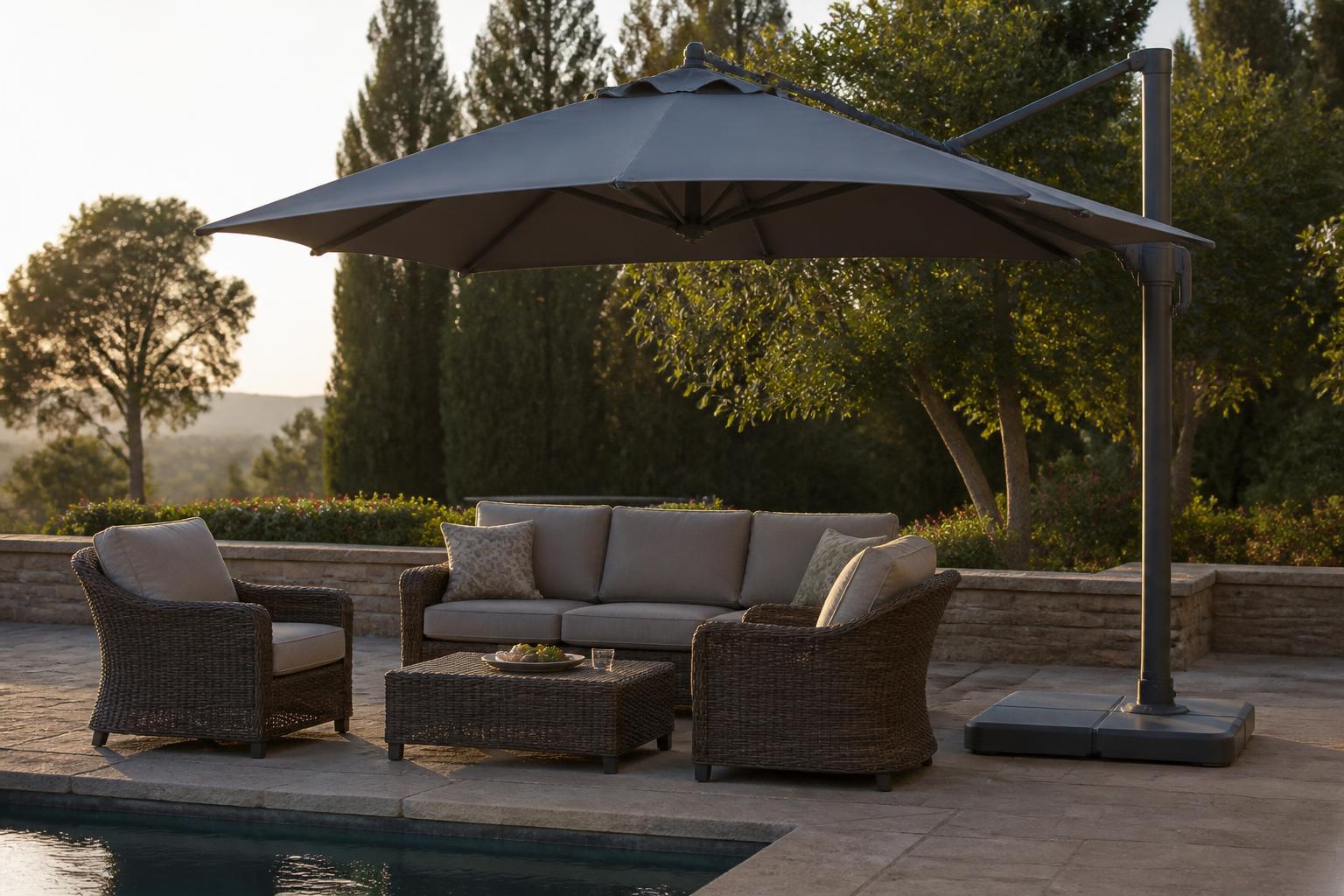
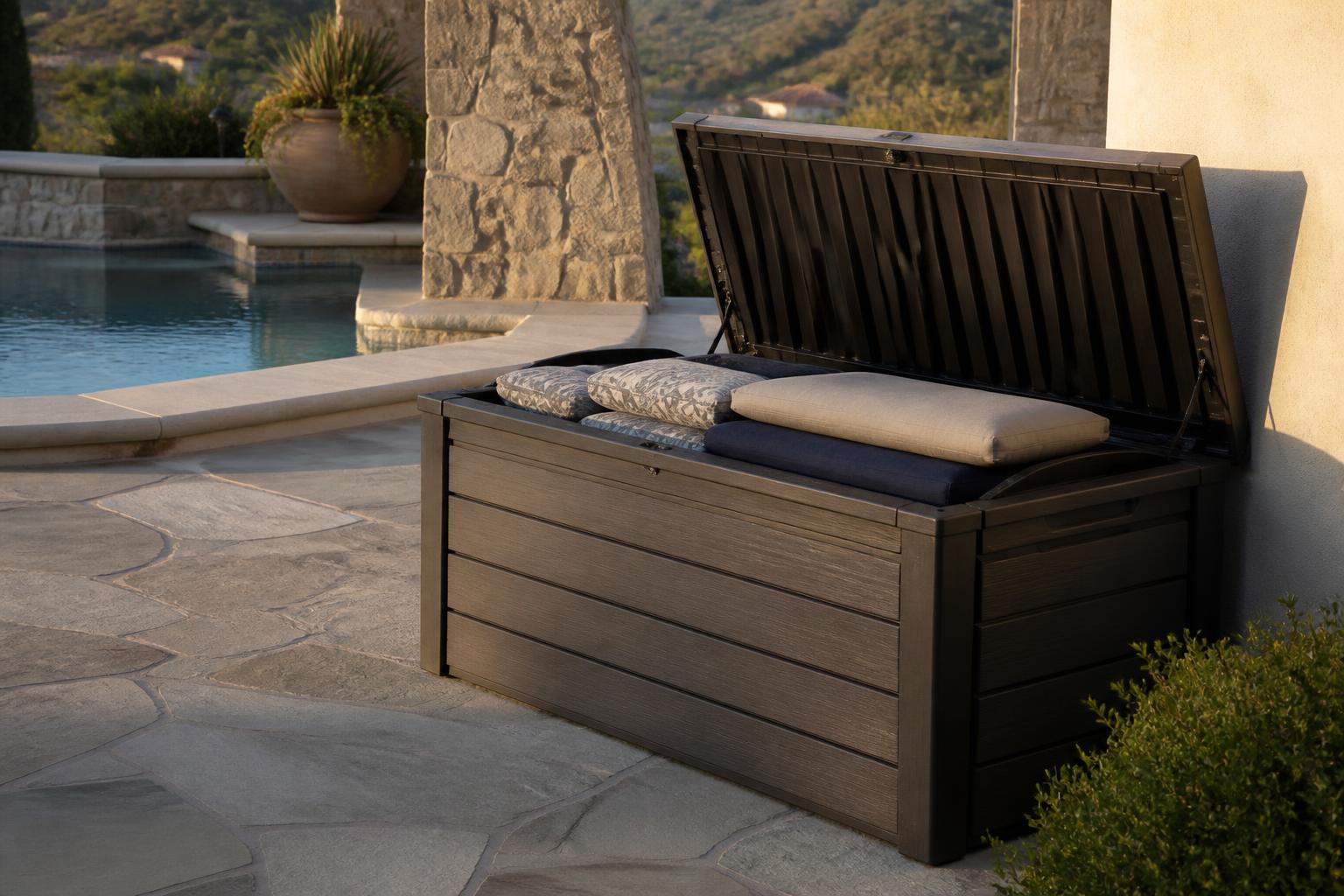
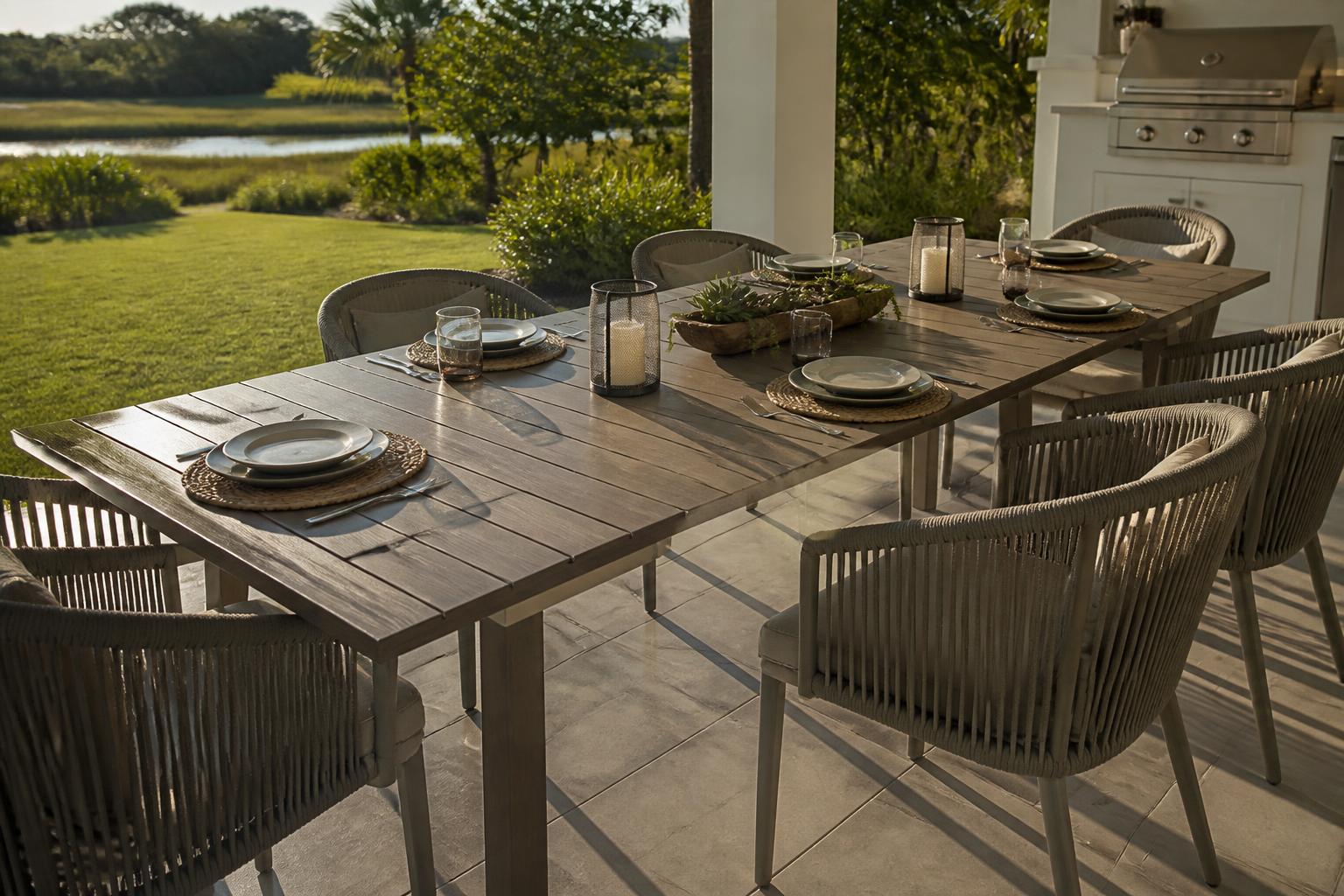

Poly lumber has become one of the most popular outdoor materials in our area for good reason: it looks like painted wood, never needs staining or sealing, and holds up beautifully to the Palm Beach County climate. But hurricane season changes the conversation. Even a material this durable needs a little attention before the stronger summer weather arrives, and the heft that makes poly lumber so stable in daily use is exactly why it needs a plan when a real storm is on the way. At Beach House Patio Furniture, we field a lot of questions each spring from Jupiter, Palm Beach Gardens, and Tequesta homeowners who want to get their poly lumber ready before the first named system.
The good news is that caring for poly lumber ahead of hurricane season is mostly simple, seasonal upkeep plus a clear plan for the handful of days when weather actually threatens. Below we cover what the material can handle on its own, the checks worth doing every year, and how we help customers prepare their pieces so the season passes without damage.
What Poly Lumber Handles on Its Own

Poly lumber is made from recycled high-density polyethylene, and the color runs all the way through the board rather than sitting on the surface as paint. That means it does not rot, splinter, or absorb water, and the UV-stabilized formula resists the fading that would wash out a stained wood set after a few Florida summers. Rain, humidity, and salt air, the everyday realities on our patios, do not bother it. For most of the year, poly lumber is genuinely close to maintenance-free.
Its weight is a real asset too. A poly lumber Adirondack or dining chair is heavy enough to stay put through the ordinary gusty afternoons that precede a summer storm, where lighter furniture would slide or tip. That stability is one of the reasons we recommend it so often for exposed patios and pool decks. What the weight does not mean is that the furniture is safe in true hurricane-force wind, and that is where a little seasonal preparation earns its keep.
The Annual Checks We Recommend Before Storm Season

A short spring routine keeps poly lumber solid and makes it far easier to secure quickly when a storm is forecast. These are the checks we walk customers through each year:
- Hardware tightness: The boards are held together with hardware that should be marine-grade stainless steel. We recommend snugging every bolt each spring, since a season of use and thermal expansion can loosen them, and tight hardware is what keeps a chair rigid in wind.
- Surface cleaning: A wash with mild soap and water clears the salt, pollen, and grime that collect in the textured grain, where mildew would otherwise take hold in our humidity. It also lets you inspect every piece as you go.
- Storage plan: Decide now where lighter pieces and cushions will go when a named storm approaches, whether that is a garage, shed, or interior room, so you are not improvising as the weather closes in.
- Drainage around pieces: Make sure the furniture sits where water drains away rather than pooling underneath, which keeps the area cleaner and avoids the standing moisture that feeds mildew during the rainy months.
Timing all of this against the season matters, so the NOAA hurricane safety guidance is the reference we point people to for when to secure or bring in outdoor furniture as a system develops. And because poly lumber sits in strong, direct sun on most decks, the EPA sun safety guidance is helpful when you decide how much shade to add over the seating.
Securing Poly Lumber When a Storm Is Coming
When a hurricane or tropical storm is actually forecast, the safest move for any outdoor furniture is to bring it indoors, and poly lumber is no exception despite its weight. Chairs and smaller tables can go into a garage or shed. For a large, heavy dining table that is impractical to move, the next best option is to relocate it to a more sheltered spot against the house, lay it down so wind cannot get under it, or secure it, and always bring in cushions, umbrellas, and any lightweight accessories that could become airborne. In strong enough wind, even substantial furniture can move, so we treat the heft as an everyday advantage rather than a substitute for storm prep.
Having that plan settled before the season starts is what makes the difference. Customers who know in advance where each piece goes and have the hardware tightened and the cushions ready to grab can secure a patio in minutes instead of scrambling. If you want a second set of eyes on your setup, you can ask about hurricane-season furniture care and we will help you build a simple plan for your specific pieces and space.
Choosing Poly Lumber That Is Easy to Care For
Some of the easiest hurricane-season care starts at the point of purchase. When we help customers pick poly lumber, we look for genuine UV-stabilized HDPE with color through the board, stainless hardware that resists corrosion in salt air, and designs sized right for the space so pieces are manageable to move and store. Furniture chosen with the season in mind is simply less work to protect every year, and it holds its look longer between storms. If you are starting fresh or replacing an older set, you can shop poly lumber furniture and we will help you weigh weight, style, and how you plan to store it.
We also encourage customers to think about placement on the deck the same way they would about care. Pieces arranged with clear paths and a little space between them are easier to clear quickly when weather threatens, and they dry faster after the daily summer rain. A short planning conversation about how your patio is used and where things can move during a storm usually prevents the most stressful last-minute scrambles.
Frequently Asked Questions
Do I really need to secure poly lumber before a hurricane if it is heavy?
Yes. Poly lumber is heavy enough to handle ordinary gusty afternoons, but true hurricane-force wind can move even substantial furniture. Before a named storm we recommend bringing chairs and smaller pieces indoors, sheltering or securing large tables, and always taking in cushions, umbrellas, and loose accessories.
What maintenance does poly lumber actually need in Florida?
Very little day to day. Wash it with mild soap and water a few times a year to clear salt, pollen, and grime from the textured grain, and tighten the hardware each spring. It never needs staining, sealing, or painting, which is a big part of its appeal in our climate.
Will poly lumber fade or get brittle in the sun?
Quality poly lumber is made from UV-stabilized HDPE with color running through the board, so it resists the fading that washes out stained wood and does not become brittle the way cheap plastic can. That built-in UV resistance is one of the main reasons it lasts so well on sun-exposed South Florida decks.
How do I keep mildew off poly lumber in the rainy season?
Keep the surfaces clean and let water drain away rather than pool underneath. Mildew grows on the grime that settles into the grain, not on the material itself, so a regular rinse and an occasional soap-and-water wash keep it from getting a foothold during the humid months.
Get Your Poly Lumber Ready Before the Season Peaks
If you want help caring for poly lumber furniture before hurricane season, contact Beach House Patio Furniture at (561) 972-4661. We serve Jupiter, Palm Beach Gardens, Tequesta, and nearby Palm Beach County communities, and we are glad to review your pieces, suggest a simple storm-prep plan, and point you toward easy-care options if you are upgrading. Start with the details on the contact page, and we will help you head into the season prepared.

About the Author
Chas Crofoot
Chas Crofoot is the owner of Beach House Patio Furniture, a family-owned outdoor furniture company in Jupiter, Florida. Since 1979, Chas and his team have manufactured and sold high-quality patio furniture — specializing in wicker, cast aluminum, aluminum, poly lumber, and PVC pipe styles built to withstand the Florida climate. With over four decades of hands-on experience in outdoor furniture design and manufacturing, Chas brings deep expertise in material selection, durability, and comfort for coastal living.