
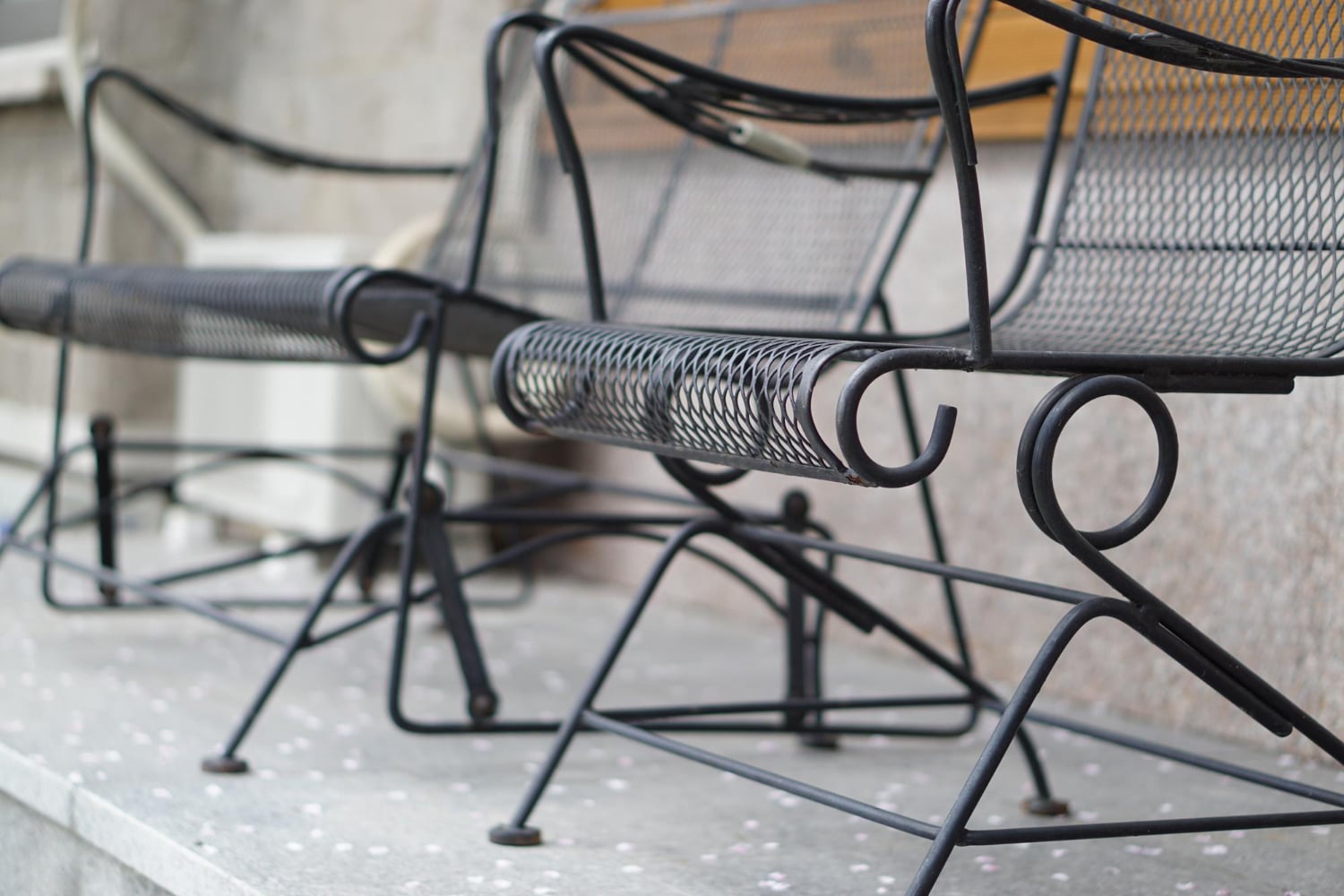
Even with dry skies, patios in Palm Beach, Florida, often hold on to moisture. A warm afternoon might follow a rainy morning, and puddles tend to stick around on concrete slabs or in shady corners. That’s just part of outdoor life near the coast. Because of this, we’ve seen many homeowners choose patio aluminum furniture for its clean look and weather-friendly design. But aluminum isn’t invincible. If it sits in the wrong spot, it can start to show early signs of wear.
Knowing where and why this wear shows up can make a big difference. Not all damage is obvious at first, and some corrosion starts small before becoming a real problem. We put together a reminder of the parts that tend to break down fastest in wet areas, along with a few things you can do to catch the signs earlier.
Why Wet Areas Pose a Challenge for Outdoor Furniture
Even the best-made patio furniture will struggle if it sits in a pool of water long enough. Water may collect from afternoon showers, sprinklers, or runoff from roof lines. Without quick drainage, those wet patches become problem spots. Over time, standing water wears down surfaces and settles into tiny cracks or seams.
Aluminum doesn’t rust the same way steel does, but that doesn’t mean it’s untouched by moisture. It can still corrode, especially when water hangs around with salt in the mix. If moisture soaks in where paint or coatings have thinned out, it gets under the surface and weakens the frame.
• Water collects fastest in areas with poor drainage or flat surfaces
• Hidden puddles under furniture legs can go unnoticed for days
• Damp air combined with direct sun creates a cycle of expansion and wear
Patio designs that don’t account for runoff or airflow can trap water right where it hurts most. Even if the main surface dries, pockets underneath or between materials may not.
What Parts of Patio Aluminum Furniture Corrode First
With patio aluminum furniture, small design details can change how long a piece lasts. We often see similar wear patterns repeat when furniture stays in wet spots. These areas are especially worth watching:
• Screw holes and small cutouts where water collects after cleaning or rain
• Welded joints that have thinner coating or paint layers than other surfaces
• Legs or feet that stay in constant contact with damp ground or puddles
Once water finds its way into a joint or hollow edge, it tends to stick around longer than you’d think. Even when the rest of the frame looks fine, these areas can slowly begin to pit or fade. Protective finishes are helpful but don’t last forever. In high-moisture spots, we’ve seen finishes soften or peel where people rest feet or drag chairs.
Every patio setup is different, but pieces placed near spigots, pool edges, or deep shade tend to show damage sooner than others.
Our aluminum patio options at Beach House Patio Furniture are offered with extra durable finishes and rust-resistant hardware, designed for coastal climates where moisture and salt are always in the air.
Signs Your Furniture Is Starting to Wear
Spotting early corrosion can give you a chance to step in before any real damage happens. A few changes can be easy to overlook at first, but often act as useful warnings.
• Dull or chalky-looking patches that weren’t there before
• Tiny bubbles in the paint or surface coating, especially near seams
• Roughness, pitting, or discoloration in corners or under chair seats
If joints start coming loose or pieces don’t sit level anymore, that might not just be age. Sometimes, water slowly weakens anchor points so they don’t hold as firmly. That shows up as a wobble, creak, or shift in weight balance.
It helps to check under chairs and tables once in a while, especially in cooler months when damp ground sticks around longer. A quick wipe or dry cloth pass can tell you more than you’d expect.
How Florida’s Climate Makes Certain Designs Age Faster
Florida’s weather is warm, but not always dry. In Palm Beach, winter often brings light rain and ocean air, and those calm days often follow wet nights. That back-and-forth adds wear to patio setups, especially in corners where humidity gathers.
Design plays a role too. Lighter aluminum pieces, often easy to shift and stack, sometimes wear down sooner than heavier furniture. This is because lighter pieces tend to have thinner layers of protection. If they’re moved around often, they can scrape against hard surfaces, loosening the coating that helps them hold up.
Pieces with hollow legs, narrow joints, or steel screws mixed with aluminum are more likely to react when salt and moisture work their way in.
• Lightweight frames are easier to shift, which can wear down coatings fast
• Combinations of metal introduce reactions in damp and salty areas
• Deep winter shade slows drying and keeps moisture locked in
Being outdoors during winter in Florida doesn’t free furniture from wear. It just changes the shape of it. That’s why even off-season care matters.
For added durability, our store’s selection includes heavy-gauge frames and powder-coated finishes for aluminum seating and tables, which can handle humid and wet patio spots better.
Designed to Last: Knowing What to Watch For
We’ve seen that in most cases, it’s not the big storms that wear furniture down, it’s the daily drip of water under a chair leg or the shade that keeps the ground from drying. Certain parts of patio aluminum furniture quietly weather faster than others, and those early signs usually show up where water sits the longest.
It helps to place furniture with a little more thought to runoff, airflow, and contact points. If a chair’s leg always rests in the same wet patch, it might be worth shifting it a few inches now and then. The design of the piece matters, but so does how it fits into the space. If you catch the wear early, before it spreads or sinks in too deep, you give your furniture a much better shot at lasting through Florida’s winters and beyond. Keeping a soft eye on the small things often makes the biggest difference.
Noticing wear in hidden spots or around seams can signal it’s time to reassess your setup. We know that proper placement and consistent checks help keep your furniture in great shape throughout Palm Beach, Florida’s wetter months. Even the most durable designs can struggle in areas where puddles or spray are common. To see some of the options we recommend for long-term durability, take a look at our patio aluminum furniture. If you’re unsure how your space is affecting your current setup, just reach out to Beach House Patio Furniture, we’re here to help.

About the Author
Chas Crofoot
Chas Crofoot is the owner of Beach House Patio Furniture, a family-owned outdoor furniture company in Jupiter, Florida. Since 1979, Chas and his team have manufactured and sold high-quality patio furniture — specializing in wicker, cast aluminum, aluminum, poly lumber, and PVC pipe styles built to withstand the Florida climate. With over four decades of hands-on experience in outdoor furniture design and manufacturing, Chas brings deep expertise in material selection, durability, and comfort for coastal living.