
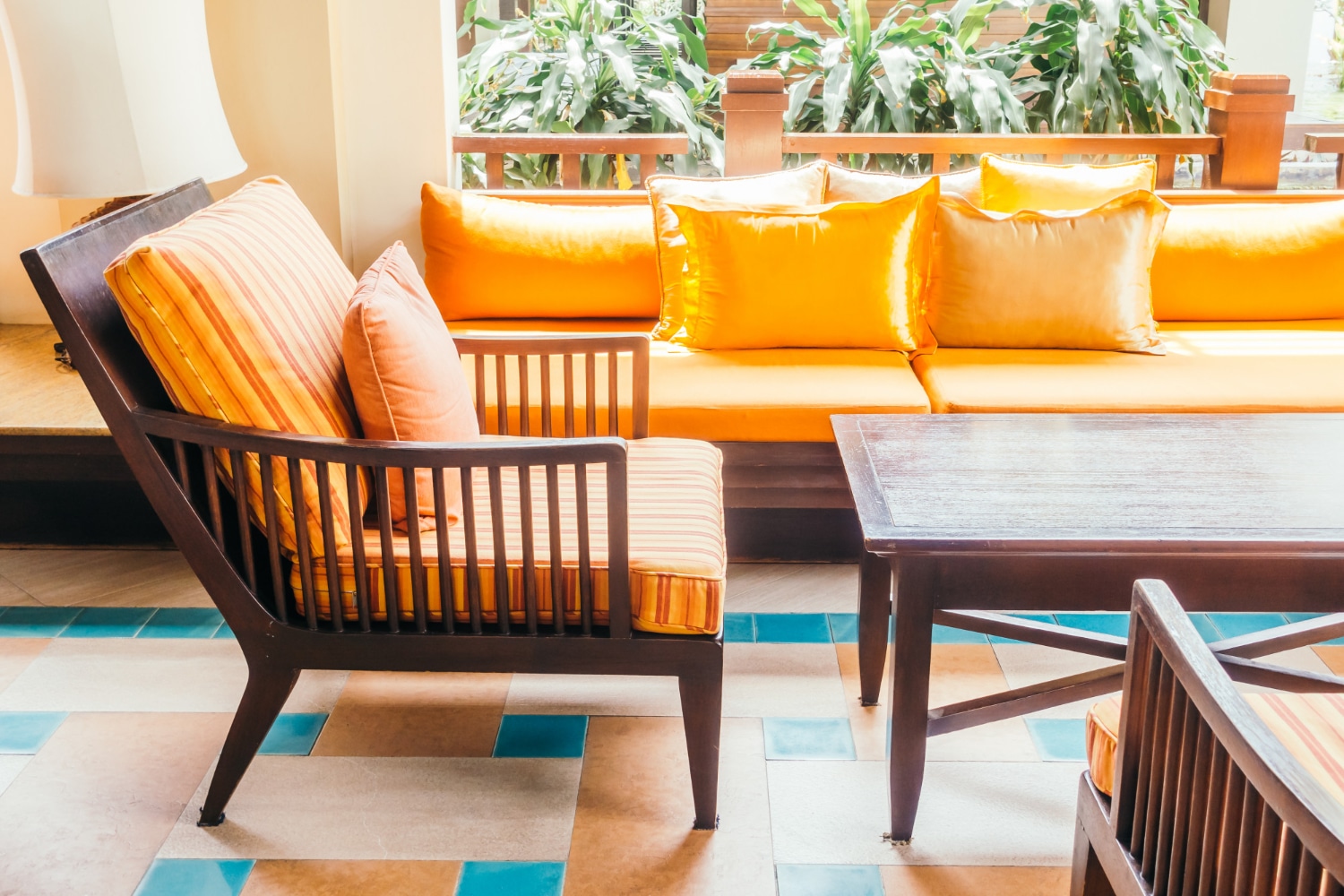
Looking through a patio furniture company catalog can feel like flipping through a giant puzzle. If you live in Palm Beach, Florida, where outdoor living is something you enjoy almost daily, it makes sense to want it done right. But with pages full of chairs, loungers, tables, and fabrics, it can get overwhelming fast. The trick is knowing how to read through it without getting lost. Once you understand how catalogs are laid out and what to watch for, they become helpful tools rather than a stack of pretty pictures.
Buying outdoor furniture is already a big decision. Add in the pressure of matching your style, working with Florida’s heat and humidity, and staying within budget, and you’re probably looking to make things easier, not harder. That’s why we think it helps to slow down and understand how to actually make sense of these catalogs.
Understanding How Catalogs Are Organized
Every catalog has its own flow, but most try to group pieces in a way that makes shopping easier if you know the pattern.
• Many start by organizing furniture by material, such as wicker, aluminum, or teak. Others stick with broader product categories like dining sets, sofas, or loungers.
• Seasonal collections are often at the front during spring or fall. These pages focus on what’s trending or meant for current weather use. If you’re working on a timeline in Palm Beach, knowing whether you’re looking at a summer or winter collection can help keep things in sync with your local weather.
• Lifestyle photos show off the furniture in styled outdoor areas. These are more about helping you picture how the items might look in your yard or on your balcony. Pay attention to spacing and layout in these photos if you’re trying to create a similar vibe.
Once you get the hang of how the catalog sections flow, it’s easier to skip what doesn’t apply and zero in on what does.
Our catalog and website separate patio furniture by category (such as dining sets, chaise loungers, and ottomans) or by materials like PVC, cast aluminum, and poly lumber, making it easy to browse for what fits your needs.
What to Look for in Product Descriptions
Pictures might pull you in, but the real details live in the fine print. Product descriptions explain what a piece is really made of, how it holds up, and whether it fits your needs.
• Watch for key terms like UV-resistant or quick-dry foam. These features are important for protecting your furniture in a sunny, humid place like Palm Beach.
• Sizing guides matter too. A chair might look small in a photograph but be oversized in person. These measurements help check if something fits comfortably around your table or leaves space for people to walk.
• Maintenance descriptions are helpful, especially if you want low-effort furniture. Some items just need a quick rinse, while others need regular cleaning or special treatments.
Instead of relying only on looks, get into the habit of reading through specs. It can save time later and help avoid furniture that won’t hold up in your local conditions.
Descriptions for many of our patio sets and seating products include information about weather resistance, frame design, and the kind of care that works best in Florida’s climate.
Materials, Layouts, and Climate Matchups
Where you live affects how your patio furniture performs. Florida brings its own mix of sun, salt air, and regular rain, which means not every product in a catalog will be a smart pick.
• Aluminum and resin-based materials usually handle salty air better and won’t rust if nicked.
• Breathable fabrics like mesh or sling dry faster and reduce mold buildup during wetter months.
• Slatted furniture is not just about style. Those gaps help air flow through and reduce trapped moisture.
Keep an eye on how your space handles sun and wind too. If your patio gets full sun all afternoon, skip dark frames or thick cushions that hold heat. If it’s breezy, look for heavier frames or stackable pieces that are easier to store when needed.
Figuring Out What You Really Need from the Catalog
Before you even flip open a catalog, ask yourself what kind of setup you want. That’s the best way to avoid getting distracted by all the options.
• Are you designing a space for meals, lounging, or both? Dining chairs and sofas won’t always work together in tight spaces.
• Think about your habits. If you have guests often, group seating might matter more. If you read or relax alone most days, a single lounger in the right spot might do the trick.
• Photos can give you great design ideas, but don’t let them steer you away from comfort or practicality. A sleek look won’t mean much if the fabric sticks to your skin or the layout blocks airflow.
Keep a running list as you browse. Focus on things like seating counts, needed shade, or water resistance. Those reminders help anchor your decisions instead of getting pulled in ten directions.
What a Patio Furniture Company Can Offer Beyond the Pages
Catalogs are built to inspire and guide. But sometimes the small details don’t fully come through just by flipping pages.
• Weight and frame thickness aren’t always obvious, even with specs. A heavier frame may be better for windy areas or uneven surfaces common in older Palm Beach neighborhoods.
• Cushion fill types matter more than many shoppers realize. Some hold shape better over time. Others drain and dry quickly but may flatten sooner. Asking questions or checking on swatches can help clear that up.
• Positioning furniture around your yard isn’t one-size-fits-all. Choosing seats that work with the breeze pattern, light slope, or even where your sprinkler hits adds to comfort and care.
While the catalog gives you an outline of what’s available, the real benefits come through when those details are filled in with a little help and hands-on knowledge.
From our own collections, you’ll see clear details about dimensions, color options, and suggested pairings (such as sofa and coffee table combinations), making the selection process smoother and more practical for every Palm Beach household.
Use Catalogs Smartly for a Setup That Lasts
Catalogs can feel like a pile of glossy, pretty images at first glance, but they’re full of helpful details when you look closer. When treated like a tool, not just a shopping list, they help you figure out what fits not only your space but also your day-to-day life in Palm Beach.
The real win is when your choices look right, feel good to use, and stand up to the Florida sun and weather. When you take your time with a catalog and think about how materials, sizes, and placement all work together, designing your patio starts to feel a lot more doable. It might even get a little fun.
Choosing the right pieces for your patio in Palm Beach, Florida, can feel overwhelming, but that’s where we come in. At Beach House Patio Furniture, we know every detail matters, especially when considering how patio furniture stands up to the coastal heat and humidity. Things like dimensions, grip texture, and elevation off the ground affect your comfort and the look of your outdoor space every day. Partnering with a patio furniture company that understands local conditions and layout options makes all the difference. Let us help you create a space that’s beautiful and functional year-round.

About the Author
Chas Crofoot
Chas Crofoot is the owner of Beach House Patio Furniture, a family-owned outdoor furniture company in Jupiter, Florida. Since 1979, Chas and his team have manufactured and sold high-quality patio furniture — specializing in wicker, cast aluminum, aluminum, poly lumber, and PVC pipe styles built to withstand the Florida climate. With over four decades of hands-on experience in outdoor furniture design and manufacturing, Chas brings deep expertise in material selection, durability, and comfort for coastal living.