
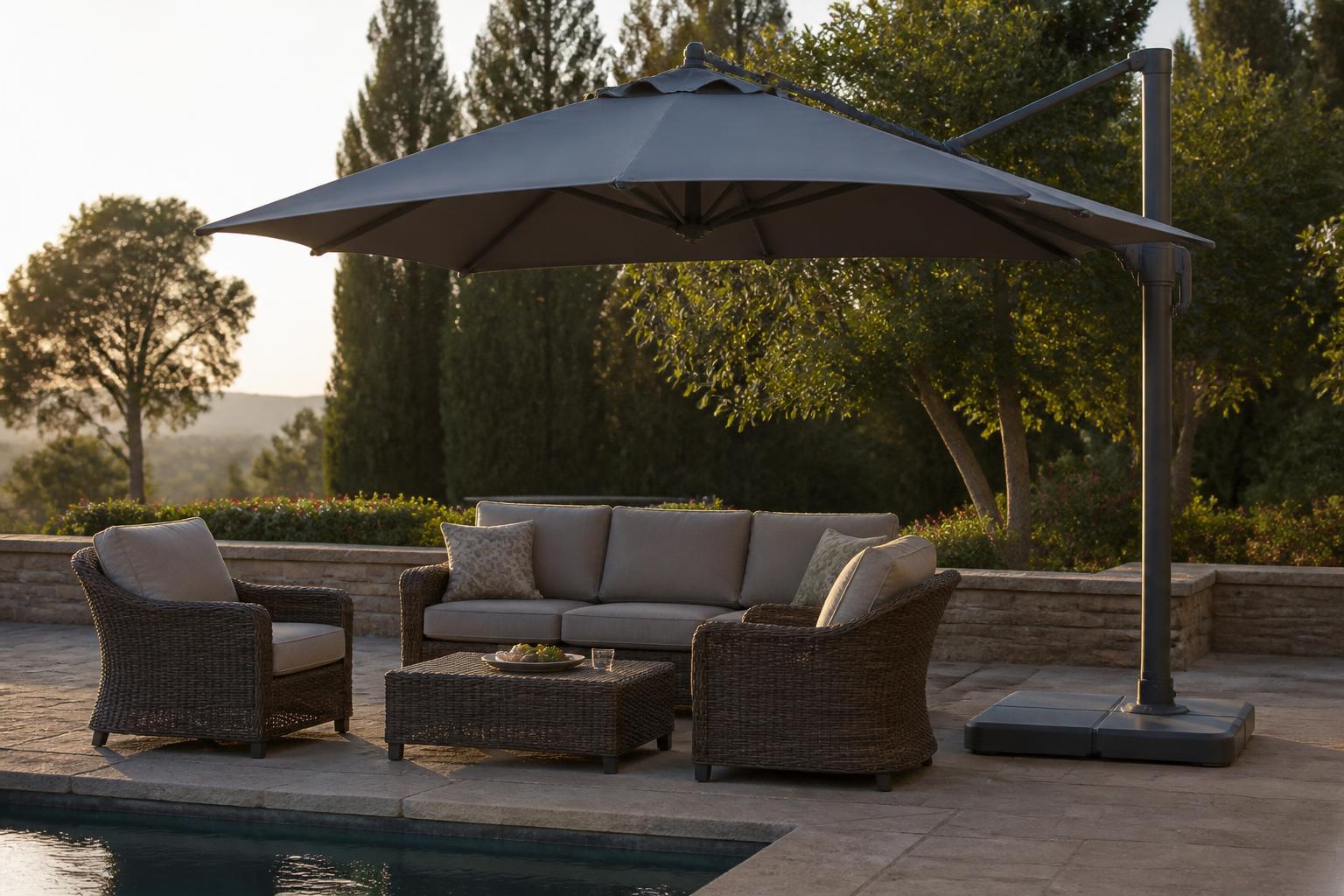
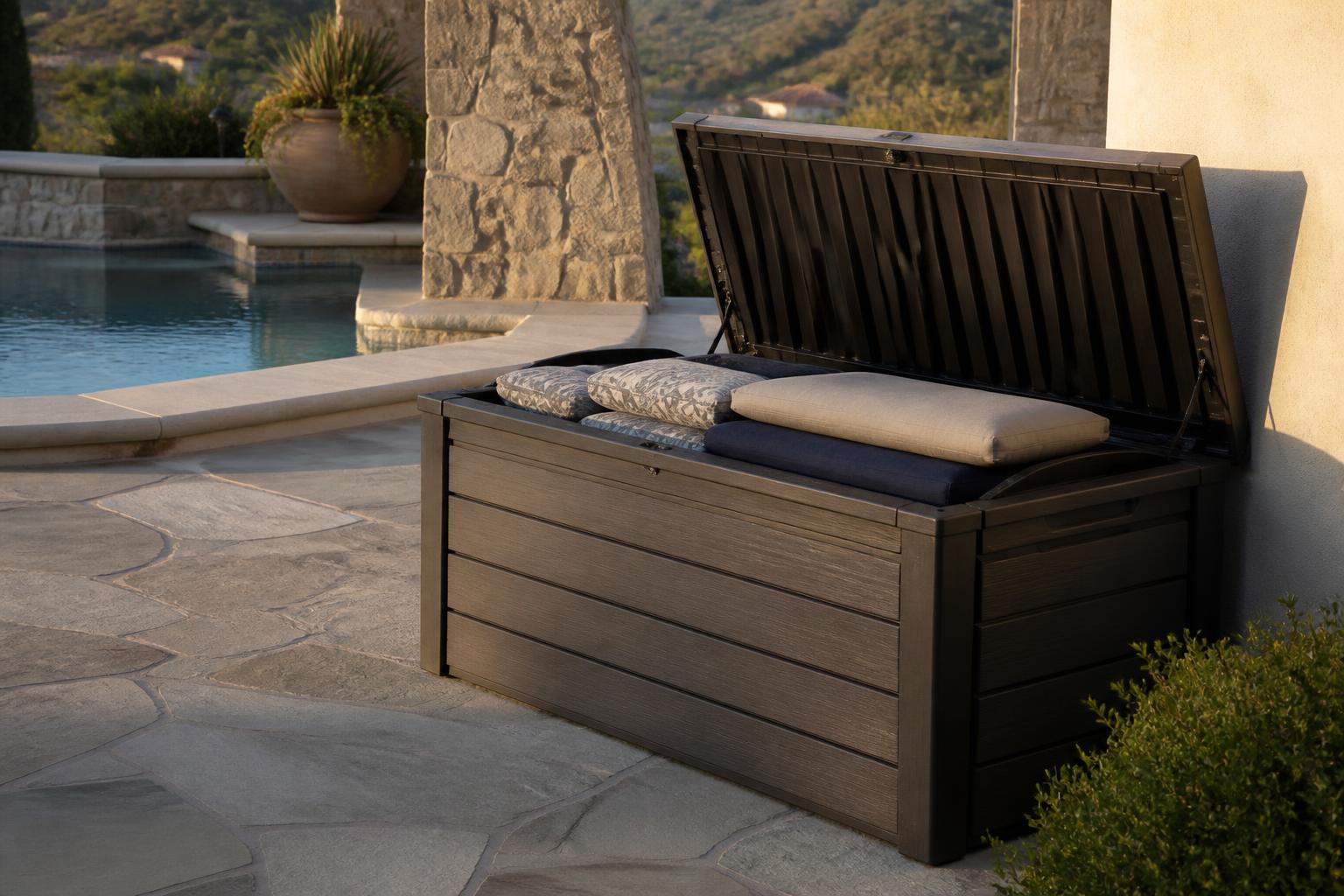

Outdoor Rug Sizing for Covered Florida Patios can make a South Florida outdoor space easier to use before summer weather gets heavier. Around Jupiter, Palm Beach Gardens, Tequesta, and nearby coastal neighborhoods, patio furniture has to handle heat, humidity, quick rain, salt air, and frequent use by family and guests.
Beach House Patio Furniture helps homeowners compare furniture details in person so the final setup fits the way the space is actually used. If you are weighing outdoor rug sizing, the smartest plan looks beyond style and also considers scale, maintenance, shade, storage, and everyday comfort.
Start With The Space And Exposure
Before choosing a product, look at the patio, lanai, porch, or pool deck as a whole. Measure the usable area, note door swings and walking paths, and pay attention to which parts get the strongest afternoon sun. A layout that works in a large open backyard may feel crowded on a covered lanai or narrow condo balcony.
Exposure matters too. Full-sun pool decks need different planning than screened patios. Ocean air can affect frame finishes and hardware. Afternoon storms can make cushion storage and drainage more important. These local details should guide the furniture choice before color and style become the focus.
How We Size A Rug To The Furniture, Not The Room
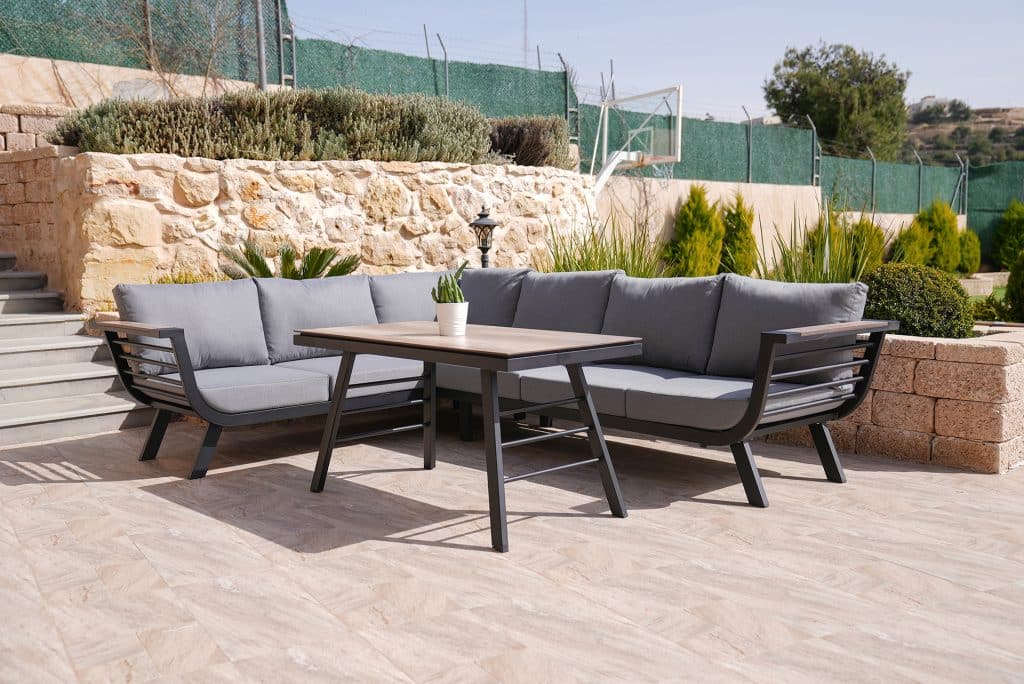
The single most common mistake we see on covered Florida patios is a rug that is too small. When a rug floats in the center of a seating group with the furniture legs landing on bare tile, the whole arrangement looks like an afterthought and the rug shifts every time someone walks across it. Our rule of thumb is simple: the rug should be large enough that, at minimum, the front legs of every chair and sofa sit on it. On a larger lanai, we prefer all four legs of each piece on the rug, with the rug edge extending a few inches past the furniture footprint so nothing teeters on the border.
For a typical conversation set with a sofa and two lounge chairs, an 8 x 10 foot rug anchors the group comfortably while keeping the front legs planted. A smaller balcony or screened porch with a loveseat and a side table is usually happiest with a 5 x 8. Outdoor dining is the exception that trips people up most often, and it deserves its own measurement, which we cover below.
Dining Rugs: Leave Room For The Chairs
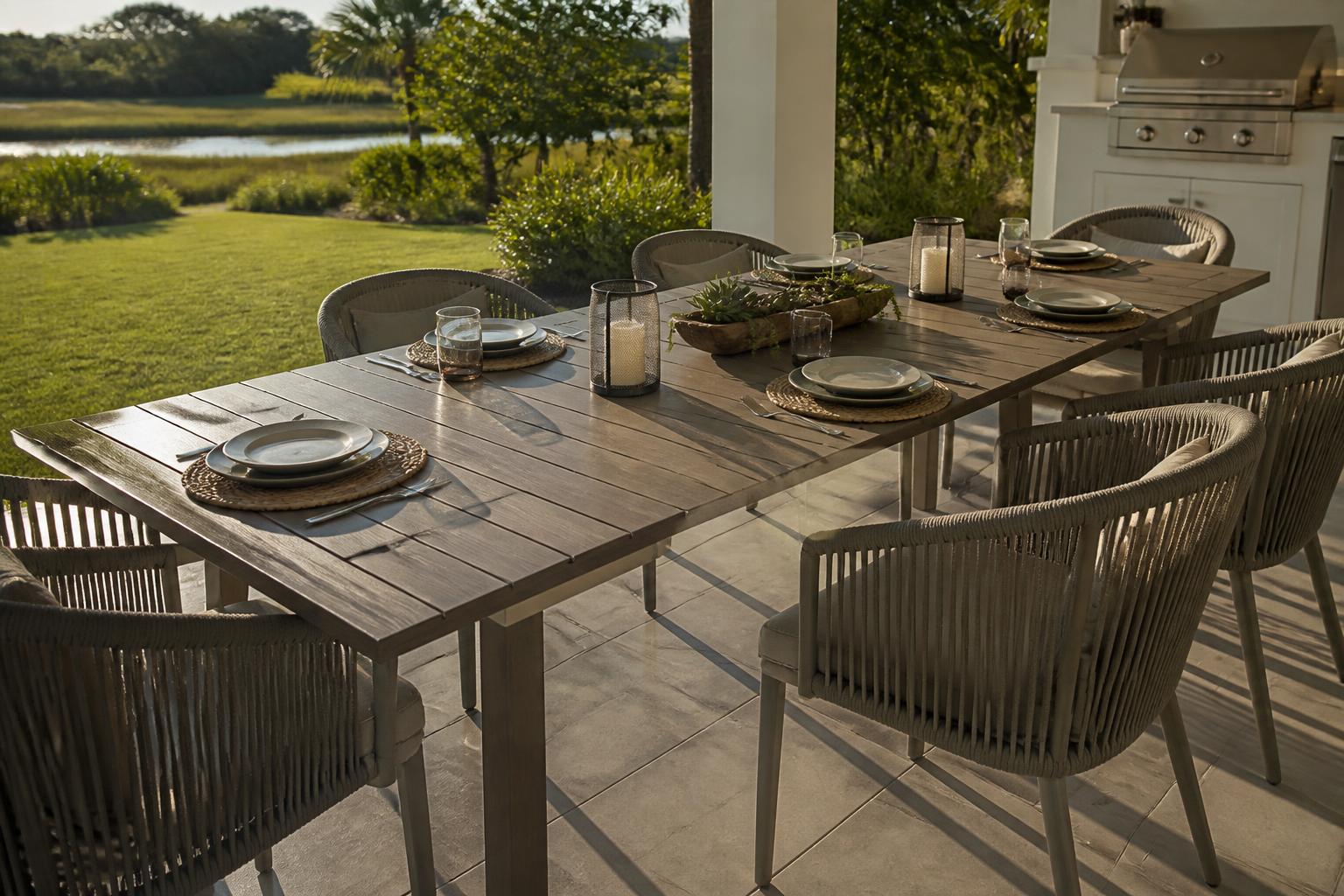
Under an outdoor dining table, the rug has to do more than sit pretty. It has to stay under the chair legs even when a guest pushes back to stand up. We tell homeowners to measure the table and then add at least 24 inches on every side, and 30 inches is more forgiving on a covered lanai where chairs slide rather than lift. That extra perimeter keeps the back legs of the chairs on the rug instead of catching the edge and snagging.
For a four-seat square or round table, that math usually lands on an 8 x 8 or a round 8-foot rug. A six-seat rectangular table generally needs a 9 x 12. A round rug under a round table looks intentional and reads well on a screened porch, while a rectangular rug suits a rectangular table and a longer covered space. When a dining set lives on a narrow lanai, we sometimes recommend a runner-style approach or a slightly smaller rug pulled toward the table so walking paths around the screen frame stay clear.
Materials That Survive Humidity, Salt, And Quick Rain
A covered patio still gets wet. Wind-driven rain blows under a lanai roof, pool splashes reach farther than people expect, and our coastal humidity keeps everything damp longer than it would inland. For that reason we steer homeowners toward flat-woven polypropylene rugs, which shed water, resist mildew, and rinse clean with a hose. They dry quickly when you flip them after a storm, and the tighter the weave, the less grit works its way into the fibers.
We generally advise against natural fibers like jute or sisal on Florida patios, even covered ones, because they hold moisture, attract mildew along the coast, and break down faster in salt air. The finishing detail many people miss is a quality rug pad rated for outdoor use. A breathable, non-slip pad keeps the rug from sliding on smooth tile or pavers, lets air move underneath so moisture does not get trapped against the deck, and adds a little cushion underfoot. Trapped moisture is what stains pavers and feeds mildew, so airflow under the rug matters as much as the rug itself.
For general outdoor safety during heat and sun, resources such as EPA sun safety guidance can help homeowners think through shade and exposure before finalizing the layout.
Color, Pattern, And Sun Fade On A Covered Lanai
Even under a roof, Florida light is intense, and reflected sun off a pool or pale deck can fade a rug over a season or two. Solution-dyed fibers hold their color far better than printed ones because the color runs through the fiber rather than sitting on the surface, so we point homeowners toward solution-dyed options when fade resistance matters. On pattern, a busier weave hides pollen, sand, and the inevitable footprints between cleanings, which is a real advantage during the spring pollen weeks. A lighter rug keeps a shaded lanai feeling open and cool, while a deeper tone grounds a bright pool deck and hides debris. We usually bring the rug a shade or two off the cushion color so the seating still stands out instead of blending into the floor.

Compare Materials And Maintenance
Outdoor furniture materials are not interchangeable. Aluminum, cast aluminum, PVC, poly lumber, wicker, sling, cushions, and outdoor fabrics each solve a different problem. The right option depends on whether you need lighter pieces, heavier pieces, low-maintenance cleaning, deep comfort, or better resistance to moisture.
For covered patio furniture layout, ask how the furniture will be cleaned, where cushions will go during storms, and whether tables or chairs need to move often. Manufacturer care tips are useful, but local use is usually the better test. A family that hosts every weekend needs a more durable setup than a seasonal guest space. The rug should be chosen alongside that furniture, because a rug that is easy to lift, rinse, and roll up before a storm is the one that actually gets cared for over the years.
Build Around The Main Use
The best outdoor rooms usually start with one main purpose. Dining areas need comfortable chair clearance and table space. Lounge areas need seating depth, side tables, and shade. Pool decks need durable surfaces, quick-dry planning, and room to move safely. Once the main use is clear, the supporting pieces are easier to choose, and the rug size follows naturally from the furniture you place on it.
This is where homeowners often save money by slowing down. Buying one piece at a time can lead to mismatched heights, duplicate functions, or furniture that blocks the best walkway. A showroom conversation can help you compare the main anchor piece with the tables, cushions, umbrellas, rugs, or storage that should support it.
Layout Tips For Screened Porches And Narrow Lanais
Screened enclosures and condo balconies bring their own constraints. Screen frames and support posts eat into usable width, and the doors swing into the space, so the rug has to clear those paths or it bunches and trips people. On a narrow lanai we keep at least a foot of bare floor between the rug edge and the screen track so the channel stays clear for cleaning and drainage. When a single covered area has to serve both a dining table and a small lounge group, two appropriately sized rugs that define each zone almost always look better than one oversized rug fighting both layouts. Defining zones this way also keeps walking paths obvious, which matters when the space is shared by kids, guests, and the route to the pool.
Common Mistakes To Avoid
A common mistake is filling the space too tightly. Outdoor rooms need breathing room, especially in humid weather. Another mistake is choosing cushions only by color. Fabric quality, drainage, fill, seams, and cleaning habits can make a major difference after the first stormy week. With rugs specifically, the recurring errors are buying too small, skipping the outdoor rug pad, and choosing a natural fiber that cannot handle coastal damp.
Homeowners also overlook shade and table surfaces. A comfortable chair still needs a place for a drink, book, towel, or phone. A sunny pool deck may need umbrellas, furniture placement, or a different material choice to stay comfortable through the afternoon. The same goes for the rug underfoot, which should be planned as part of the whole setup rather than added at the end.
Frequently Asked Questions
How should I start planning a patio furniture update?
Start by measuring the space and deciding how it will be used most often. Bring photos and dimensions when comparing options so the furniture can be matched to the real layout.
What matters most for coastal Florida patios?
Frame material, cushion performance, shade, storage, and cleaning habits matter more than appearance alone. The furniture should stay practical after heat, rain, and daily use.
Should every piece come from the same collection?
Not always. Mixed pieces can work well when scale, finish, color, and table height are coordinated. A showroom visit makes those comparisons easier.
What size outdoor rug do I need under a patio dining set?
Measure the table and add at least 24 inches on every side, and closer to 30 inches on a covered lanai where chairs slide. That usually means an 8 x 8 or round 8-foot rug for a four-seat table and a 9 x 12 for a six-seat rectangular table, so the chairs stay on the rug when guests stand up.
Visit Beach House Patio Furniture
If you want help with outdoor rug sizing or a full patio setup, visit Beach House Patio Furniture in Jupiter, call (561) 972-4661, or use the contact page. You can also start by reviewing outdoor rug options before choosing the final layout.

About the Author
Chas Crofoot
Chas Crofoot is the owner of Beach House Patio Furniture, a family-owned outdoor furniture company in Jupiter, Florida. Since 1979, Chas and his team have manufactured and sold high-quality patio furniture — specializing in wicker, cast aluminum, aluminum, poly lumber, and PVC pipe styles built to withstand the Florida climate. With over four decades of hands-on experience in outdoor furniture design and manufacturing, Chas brings deep expertise in material selection, durability, and comfort for coastal living.