
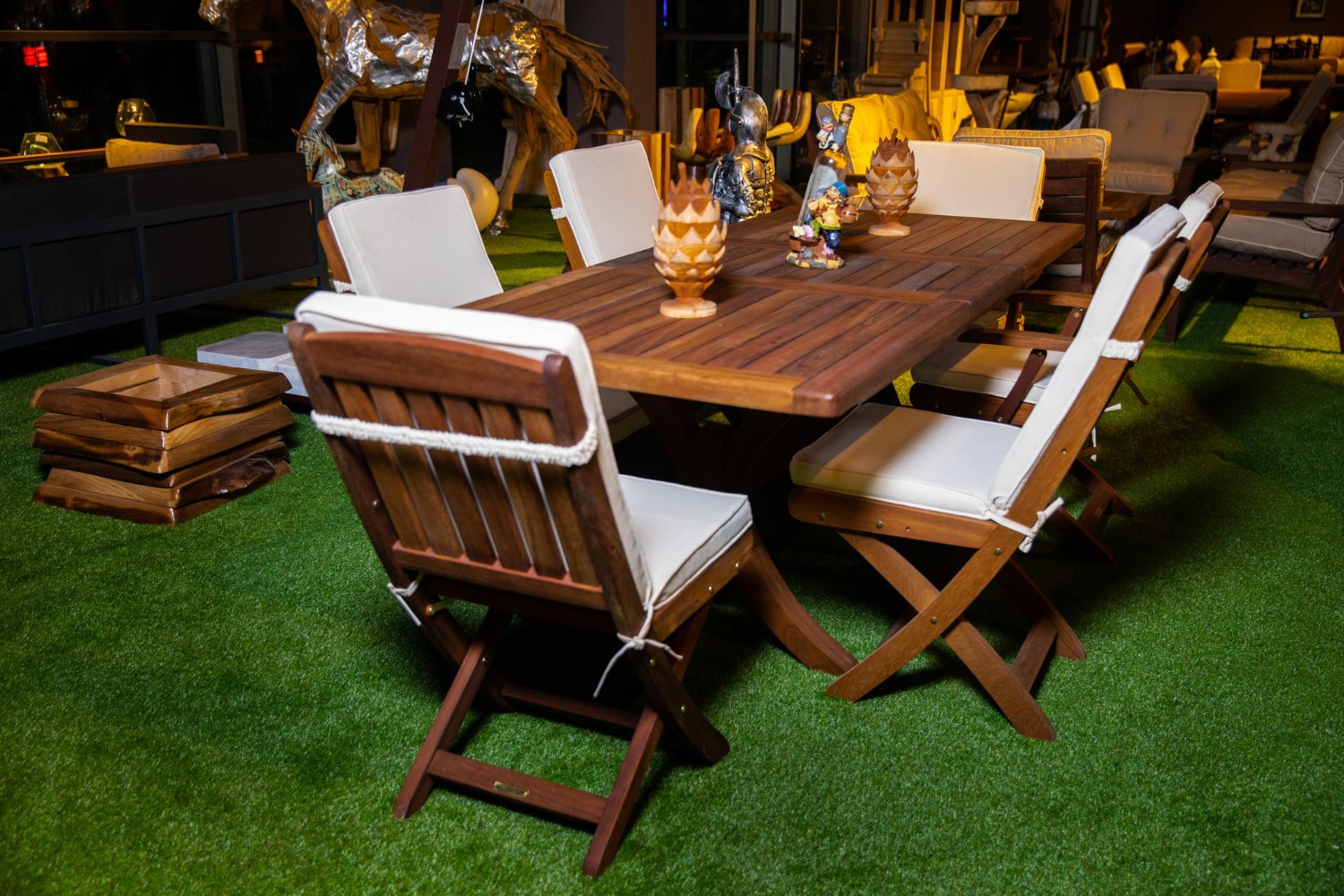
Outdoor cushions are meant to make your patio feel more comfortable, but if you live in a place like Palm Beach, Florida, mold can change that fast. A dry seat one week could be speckled with dark spots the next. Between the heat, salt air, and almost daily humidity spikes, it doesn’t take much for outdoor fabric to trap moisture and become a problem.
As a Florida furniture company, we deal with this kind of thing all the time. The good news is, there are better ways to deal with mold than just throwing the cushions away or hoping the sun dries them out. From the materials used to smart design choices, what works in Florida isn’t always the same as what works anywhere else. And knowing the difference can help you avoid repeating the same problem season after season.
Why Mold Shows Up on Outdoor Cushions
If you’ve found mold spots on outdoor patio cushions, you’re definitely not alone. Florida’s part-time rain and full-time humidity create a kind of perfect storm for trapped moisture. By the time cooler weather shows up in December, some cushions already need to be replaced.
Mold mostly shows up when three things happen at once:
• Humidity hangs in the air with nowhere to go
• Cushions don’t dry out fully after rain or washing
• Airflow is blocked by thick foam, tight storage, or shaded patio areas
Even cushions that look dry may still have moisture hidden inside the seams or stuffing. Covered patios are at risk too. Shade keeps seats from drying thoroughly, so they stay damp longer, especially after a passing storm.
Some parts of the yard tend to grow more mold than others. If chairs are close to dense plants or stacked against a wall, there’s less air movement. Pool decks are another trouble area. Cushions soak up leftover water from wet swimsuits and feet, which often leads to spots that smell musty or feel sticky when you sit.
Recognizing Mold Before It Spreads
Finding mold quickly makes a big difference. Once it sinks into the interior layers of a cushion, it’s harder to fix. The signs usually start small, but they’re easy to spot if you check regularly.
Here’s what we look for:
• A strong, damp smell (like old laundry left in the washer)
• Small black or green spots on the fabric
• A thin layer of white fuzz, often on the seams or corners
Letting it go for too long lets it spread deeper into the foam or filling, and at that point, cleaning the surface won’t help. We find that the longer cushions sit unused, especially during late summer into early fall, the more likely mold has had time to grow.
People often skip checking the undersides and inner creases, which is where mold usually starts. A quick check every week goes a long way toward spotting problems while they’re still manageable.
How Material Choices Matter in Florida’s Climate
Not all outdoor fabrics are made for Florida’s heat and moisture. Some look the same but behave completely differently after a few weeks outside. The difference usually starts with how fast they dry out and how they handle air.
The best options in this kind of climate tend to share a few features:
• Open-weave designs that let air pass through
• Fast-drying foam that doesn’t trap water deep inside
• Water-resistant covers that fight off both rain and salt spray
We’ve found that sling mesh fabrics and quick-dry cushion materials handle the local weather much better than heavy, tightly-wrapped cushions. These hold less moisture, and when they do get wet, they bounce back faster.
As a Florida furniture company, we pay close attention to what holds up in the Palm Beach environment. Some materials that work well up north just don’t last here. Everything from sun exposure to salty ocean air can slowly break down fabric that looks strong at first.
Products in our store include seating with quick-dry slings and weather-resistant acrylic fabrics found on loveseats, sofas, and patio sectionals, which help cushions last longer in humid, mold-prone conditions.
Furniture Designs That Help Prevent Mold
Structure matters just as much as material. Some outdoor furniture is built in a way that lets moisture linger. But simple improvements in design can make a big difference in how long cushions stay dry and fresh.
We’ve seen good results with furniture that includes:
• Raised frames that lift cushions off wet ground
• Slatted seating that improves drainage
• Cushions with mesh or vented undersides
Layout affects things too. Avoid lining furniture tightly against walls or cramming cushions into a shaded corner of a porch. Space between chairs or open backs can help with airflow and dry time after a rain. Even just moving a chair a few feet into a sunnier spot can keep mold from creeping in.
If possible, store cushions in a way that lets them stay upright and breathe. Stuffing them tightly into bins or stacking them in plastic bags traps everything inside. Ventilated storage is much better, especially during warm stretches or after storms.
From our selection at Beach House Patio Furniture, you’ll find sofa sets, ottomans, and lounge seating designed for quick drying and easy care, which makes it simpler to keep cushions mold-free year-round.
What to Do When Mold Is Already There
Once mold takes hold in the deeper parts of a cushion, a regular scrub won’t always be enough. You might wash the outside, but if you smell it or feel dampness pushing through, the inside probably needs attention too.
Here’s when it may be time to replace instead of clean:
• Mold has reached the foam or inner stuffing
• The smell stays after drying
• The fabric feels rough or sticky, even after washing
Trying to clean deeply set mold can take a lot of time and may still leave you with something you don’t really want to sit on. In those cases, it’s usually better to swap it out and start fresh, using materials and designs meant for this kind of climate.
Having someone look at the problem can help you figure out whether cleaning, replacement, or adjusting your setup is the best move. Not every cushion can be saved, and that’s okay.
Designing for Long-Term Durability in a Humid Climate
Cushions that make it through Florida seasons without growing mold usually have a few things in common. They dry quickly, breathe well, and rest on furniture that helps water run off, not soak in. All this adds up to more days outside with less worry.
Choosing the right cushions from the start makes a noticeable difference. Pay attention to where you place them, how often you clean or inspect them, and take advantage of airflow when storing. A little planning now saves you from having to replace whole sets later.
When outdoor furniture is designed with weather in mind, it just works better. That matters all year long in Palm Beach, and it can turn your backyard from a short-term spot into a year-round place you actually use. Mold doesn’t have to get in the way when your setup is smart from the start.
At Beach House Patio Furniture, we’re dedicated to helping you create outdoor setups that last through the season, even with the unique weather challenges of Palm Beach, Florida. Choosing the right frames, fabrics, and cushion styles can make all the difference for lasting comfort and quality. For durable, mold-resistant options designed for this climate, our collection is a great place to start. See what a reliable Florida furniture company can provide with long-lasting patio materials, and give us a call so we can help you find the best fit for your space.

About the Author
Chas Crofoot
Chas Crofoot is the owner of Beach House Patio Furniture, a family-owned outdoor furniture company in Jupiter, Florida. Since 1979, Chas and his team have manufactured and sold high-quality patio furniture — specializing in wicker, cast aluminum, aluminum, poly lumber, and PVC pipe styles built to withstand the Florida climate. With over four decades of hands-on experience in outdoor furniture design and manufacturing, Chas brings deep expertise in material selection, durability, and comfort for coastal living.