
Cast aluminum patio furniture is one of those purchases that feels smart the moment you bring it home. It looks substantial. It doesn’t rust like iron. It can handle Florida humidity, salty air, the surprise rainstorm that shows up out of nowhere, and the kind of sun that fades basically everything.
But. And there’s always a but.
Even though cast aluminum is low maintenance, it’s not no maintenance. The finish can dull. Pollen can cake on. Salt can leave a film. And if you treat it like a plastic chair you hose off once a year, it’ll start looking tired way sooner than it should.
So let’s keep it looking new. Or at least really close to new. The goal here is simple: protect the finish, prevent buildup, and avoid the handful of mistakes that quietly ruin outdoor furniture over time.
Why cast aluminum is “easy” but still needs care
Cast aluminum won’t rust through, which is a big reason people love it, especially in coastal areas. But most cast aluminum patio sets are powder coated or painted to get that clean, even color. That coating is the real hero. It’s what you see. It’s what takes the beating from UV, moisture, sunscreen hands, spilled drinks, and whatever the birds are doing.
When the coating stays intact and clean, the furniture looks new for years. When grime sits on it for months, or harsh cleaners scratch it up, the finish starts to wear unevenly. It’s not dramatic at first. It’s more like, one day you notice your set looks kind of… dusty, even after you rinse it.
That’s usually not “age.” That’s buildup and micro wear.
To ensure your cast aluminum collection remains in top shape for years to come, it’s essential to follow some tips to maintain your outdoor furniture.
The quick routine that makes the biggest difference
If you only do one thing, do this.
1) Quick rinse and wipe, once a week or every other week
Especially in Florida, you get pollen, salt, sand, and humidity. It sticks. A fast rinse keeps that from becoming a stubborn layer.
- Rinse with a hose (no pressure washer, we’ll talk about that).
- Wipe with a soft microfiber cloth or soft sponge.
- Let it air dry or towel dry to prevent water spots.
This takes maybe 10 minutes for a whole set. Less if you’re doing it casually while you’re already outside.
2) Light soap wash, once a month (or as needed)
Use:
- Warm water
- Mild dish soap
- Soft sponge or microfiber cloth
That’s it. You don’t need special patio cleaner for regular maintenance.
Rinse well after washing. Soap residue can attract dirt and leave a slightly dull film if it sits.
3) Seasonal “deep clean,” 2 to 4 times a year
This is your reset button. Great time to do it: at the start of spring, mid summer, early fall, and maybe after storm season if things got messy.
You’ll:
- Wash more thoroughly
- Clean the detailed areas
- Inspect for chips or scratches
- Touch up any spots before they spread
Step-by-step: how to deep clean cast aluminum the right way
You don’t need to overthink this, but there’s a method that avoids scratching the finish.
When deep cleaning your cast aluminum furniture, such as chaise loungers which are perfect for enjoying those sunny Florida days, remember these tips. Cast aluminum is not only durable but also requires specific care to maintain its aesthetic appeal. Here are some 10 reasons why aluminum chaise loungers are a must-have, which might motivate you to give them the best care possible!
Step 1: Remove cushions and shake out debris
Get cushions out of the way so you can reach the full frame. Also, grit trapped under cushions can act like sandpaper over time. That’s one of those small things nobody notices until there’s a worn spot.
Step 2: Rinse first (always rinse first)
Dry wiping is how tiny particles become scratches.
Start with a full rinse to knock loose dust, sand, and pollen.
Step 3: Wash with mild soap
Mix a bucket:
- 1 to 2 teaspoons mild dish soap
- 1 gallon warm water
Use a soft sponge. For ornate detailing, use a soft bristle brush like a car detailing brush or an old toothbrush with soft bristles.
Avoid anything abrasive. No scouring pads. No magic erasers. No stiff deck brush.
Step 4: Handle stubborn grime gently
If you’ve got sticky residue (tree sap, sunscreen, bird droppings), don’t attack it dry.
Try:
- Warm soapy water and a little patience
- Let it soak on the spot for a minute or two, then wipe
For really stubborn spots, you can use a 50 50 mix of white vinegar and water, but test in a small hidden area first. Some finishes don’t love acids. It’s usually fine, but “usually” isn’t a guarantee.
Step 5: Rinse thoroughly
Rinse until the water runs clear and there’s no suds left. Soap left in crevices is a dirt magnet.
Step 6: Dry it (optional, but it helps)
Air drying is fine. Towel drying is better if you want to avoid water spots, especially on darker finishes.
What not to do (this is where most damage happens)
Skip the pressure washer
Pressure washers can lift or chip powder coat, especially around edges, seams, and decorative areas. Even if it looks fine right after, you can create tiny openings that later become peeling.
If you absolutely must use one, keep it on a low setting, stand far back, and never aim at joints or edges. But honestly, a hose and soft sponge is safer and takes less time than you think.
Avoid harsh cleaners
Don’t use:
- Bleach
- Ammonia
- Oven cleaner
- Strong degreasers
- Anything labeled “acid” or “lime remover” unless the manufacturer says it’s safe
These can dull the finish, discolor it, or weaken the coating.
Don’t use abrasive tools
No steel wool. No rough scrub pads. No gritty cleaners. Cast aluminum is tough, the finish is the delicate part.
Don’t cover furniture with plastic tarps directly
Plastic tarps trap moisture, which can cause mildew on cushions and a grimy film on the frames. Use breathable outdoor covers designed for patio furniture such as those from our patio furniture collection, ideally with vents.
How to protect the finish and keep that “new” look
Cleaning helps, but protection is what keeps the color crisp.
Use a protective wax (yes, like a car)
This is optional, but it works.
A couple times per year, after a deep clean and when the furniture is fully dry, apply a thin coat of:
- Automotive paste wax (non abrasive), or
- A protectant recommended for powder coated metal
It creates a barrier that helps with:
- Water beading
- Easier cleaning
- Slower fading and oxidation
Do a small test spot first. Apply with a soft cloth, let it haze, then buff lightly.
Watch for chips and scratches early
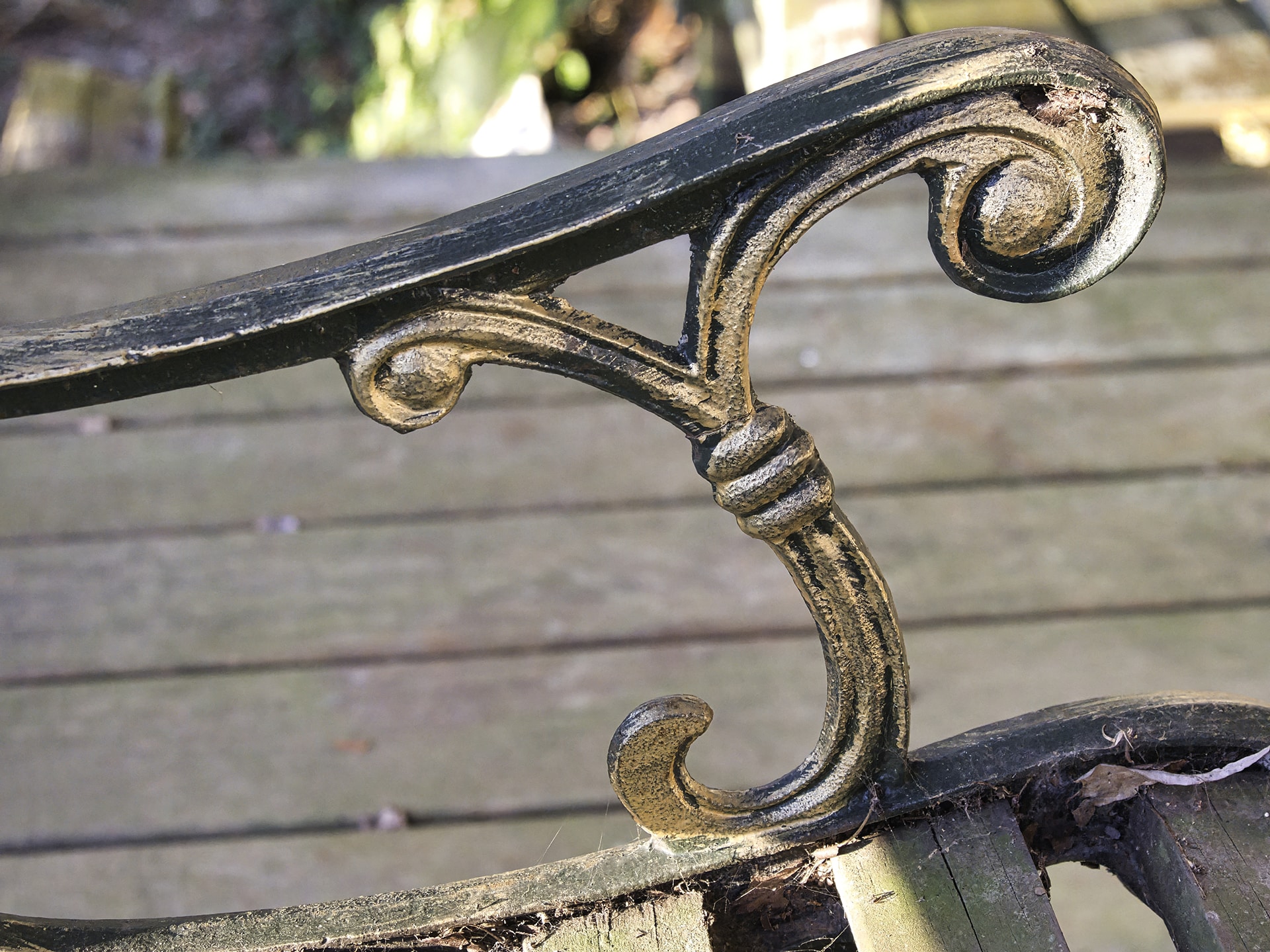
This is the sneaky one. A tiny chip can become a bigger peeling area if water gets under the coating.
If you see a chip:
- Clean the area.
- Lightly sand the edges of the chip with very fine sandpaper (like 400 to 600 grit) only if needed, and only enough to smooth the edge.
- Use a matching touch up paint recommended for outdoor metal furniture.
If you bought your furniture from a local patio furniture company, it’s worth asking them for touch up recommendations that match your exact finish. A good retailer will usually have guidance here.
Keep metal from rubbing metal
Stacking chairs, sliding tables, or letting pieces bang together in storage can create wear points.
Use:
- Felt pads (outdoor rated)
- Rubber bumpers
- Chair leg caps
And when you move furniture, lift it. Dragging grinds debris into the feet and can scratch the finish.
Salt air and coastal setups: extra tips that matter in Florida
If you’re near the coast, salt is constant. You might not even see it, but it’s there. The solution is not stronger cleaner. It’s frequency.
- Rinse more often, even a quick hose down weekly
- Dry if you notice spotting
- Waxing 2 to 4 times a year helps a lot in coastal air
Also, keep an eye on areas where water sits. Table edges, chair arm curves, ornate grooves. If water pools and evaporates repeatedly, it leaves deposits.
For those living in coastal areas like Florida, investing in weather-proof furniture for your patio can significantly enhance durability against harsh elements. When selecting such furniture, consider cast aluminum dining tables or coffee tables which are known for their resilience. Additionally, end tables made from similar materials can complement your outdoor setup while ensuring longevity.
Cushions and fabric care (because the frame is only half the look)
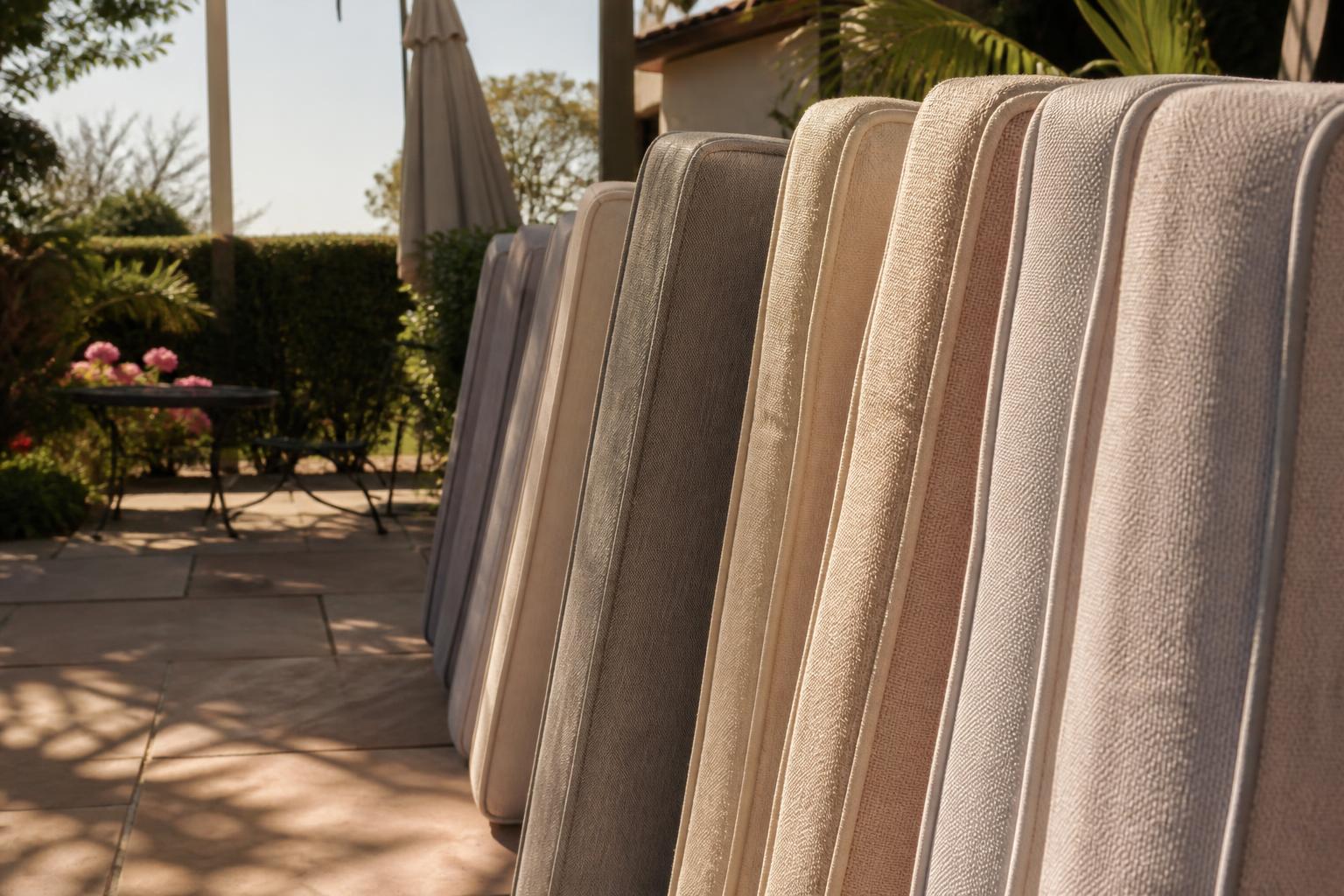
Cast aluminum furniture looks “new” when the cushions look new. If your cushions are faded or mildewy, the whole setup feels old even if the frames are perfect. This is especially true for cast aluminum seating, which includes chairs and sofas that can maintain their appearance with proper care.
A few simple habits:
- Store cushions in a dry place during heavy rain weeks
- Stand cushions on their side after storms so they dry faster
- Clean spills fast, especially sunscreen and food oils
- Don’t zip damp cushions into storage bags
If you’re choosing new cushions or upgrading, having lots of fabric options is not just a fun design thing. It’s practical. Performance fabrics can handle UV and moisture better, and the right color hides pollen and sandy footprints way more than you’d think.
Storing cast aluminum furniture (seasonal or storm prep)
Even in the Southeast where you can use patio furniture year round, there are times you’ll want to store or at least secure it. This is particularly relevant for cast aluminum furniture, which includes various types of seating like chairs and sofas, as well as dining sets.
Before storms or long travel
- Remove and store cushions indoors
- Move furniture to a covered area if possible
- Use tie downs or weights if your area gets strong gusts
Cast aluminum is heavy, which helps. But wind can still flip chairs or send a small side table into something it shouldn’t hit.
Off season storage
If you store it:
- Clean it first (storing dirt = stains later)
- Dry it fully
- Use breathable covers
- Avoid stacking without padding between pieces
Common stains and how to deal with them
Bird droppings
Clean as soon as possible. They can stain finishes if they sit.
Warm soapy water, soft cloth. If needed, let a damp cloth sit on it for a minute to soften it.
Tree sap
Warm soapy water first. If it’s stubborn, try rubbing alcohol on a cloth, gently, in a test spot first. Rinse after.
Mildew on the frame
Mildew usually forms on dirt, not on clean metal. Wash with soap and water. If needed, a vinegar and water solution can help, but again, test first and rinse well.
Water spots
Usually solved by towel drying after rinse. For existing spots, mild soap and water, then dry. If they persist, a gentle wax can help restore the look.
A simple maintenance schedule you can actually stick to
Here’s a realistic schedule that works for most people:
- Weekly or biweekly: Quick rinse and wipe
- Monthly: Mild soap wash
- Quarterly: Deep clean + inspection + optional wax
- As needed: Touch up chips, clean stains immediately, adjust covers
If you’re coastal, bump the rinse frequency up.
Buying cast aluminum furniture that stays looking new longer (it starts at quality)
Not all cast aluminum furniture is made the same. The casting quality, the coating process, the attention to small details, it shows up later. Usually when you’ve owned it for a couple years and one set still looks sharp while another starts getting weird flaky spots.
If you’re shopping in Florida, it helps to buy from a patio furniture company that actually knows the region. Humidity, salt, intense UV, afternoon rain – the furniture has to be built for that, not just marketed for it.
A family owned business that’s been doing this for decades tends to be picky in the right ways. Better craftsmanship. Better finishing. Better guidance when you have questions. Even stuff like a 30 day trial period, factory videos, and a real customer service team you can reach without a maze are little signals that the company stands behind what they sell.
When it comes to cast aluminum accessories, such as fire tables, or chaise loungers for your beach house vibe, it’s nice to have options. Especially if you’re trying to match a specific aesthetic or just want something that won’t show every speck of pollen.
Moreover, if you’re looking for cast aluminum patio sets or loveseats, having the ability to customize frame colors and go through hundreds of fabric options without feeling like you’re guessing online is a significant advantage.
Final thoughts
Cast aluminum furniture is one of the best choices for outdoor living. It’s durable, it’s classic, it feels like it belongs on a patio. And with a simple rhythm of rinsing, gentle cleaning, and basic protection, it stays looking new way longer than most people expect.
You don’t need fancy products. You need consistency. A soft cloth. Mild soap. And a quick habit of not letting grime sit there for months like it’s part of the design.
If you want, reply with a photo of your furniture finish (and tell me if you’re coastal or inland in Florida). I can suggest the safest cleaning approach for that specific look, and whether a wax coat makes sense for it.
FAQs (Frequently Asked Questions)
Why is cast aluminum patio furniture considered a smart purchase for outdoor use?
Cast aluminum patio furniture is a smart purchase because it looks substantial, resists rust unlike iron, and can withstand Florida’s humidity, salty air, sudden rainstorms, and intense sun that fades many materials. Its durability and low maintenance make it ideal for outdoor environments.
Does cast aluminum patio furniture require maintenance despite being low maintenance?
Yes, while cast aluminum furniture is low maintenance, it still requires care to keep its finish looking new. The powder-coated or painted finish can dull over time due to pollen buildup, salt film, and grime. Regular cleaning prevents uneven wear and maintains the furniture’s appearance.
What is the recommended weekly cleaning routine for cast aluminum patio furniture?
A quick rinse and wipe once a week or every other week is recommended. Use a hose (avoiding pressure washers), then wipe with a soft microfiber cloth or sponge. Allow it to air dry or towel dry to prevent water spots. This routine removes pollen, salt, sand, and humidity buildup efficiently.
How should I perform a monthly light soap wash on my cast aluminum outdoor furniture?
For monthly cleaning, use warm water mixed with mild dish soap and clean the furniture with a soft sponge or microfiber cloth. Rinse thoroughly afterward to remove all soap residue, which can attract dirt and cause a dull film if left behind.
What does the seasonal deep cleaning of cast aluminum patio furniture involve?
Seasonal deep cleaning should be done 2 to 4 times per year—such as early spring, mid-summer, early fall, and after storm season. It involves washing thoroughly including detailed areas, inspecting for chips or scratches, and touching up any damaged spots to prevent further wear.
What are the step-by-step instructions for deep cleaning cast aluminum patio furniture without damaging the finish?
- Remove cushions and shake out debris to prevent scratching.
- Rinse the entire piece first to remove loose dirt.
- Wash with warm water mixed with mild dish soap using a soft sponge; use a soft bristle brush for detailed areas.
- For stubborn grime like sap or bird droppings, soak with soapy water before wiping; test vinegar-water mix on a hidden area if necessary.
- Rinse thoroughly until no suds remain.
- Dry completely by air drying or towel drying to avoid water spots.

About the Author
Chas Crofoot
Chas Crofoot is the owner of Beach House Patio Furniture, a family-owned outdoor furniture company in Jupiter, Florida. Since 1979, Chas and his team have manufactured and sold high-quality patio furniture — specializing in wicker, cast aluminum, aluminum, poly lumber, and PVC pipe styles built to withstand the Florida climate. With over four decades of hands-on experience in outdoor furniture design and manufacturing, Chas brings deep expertise in material selection, durability, and comfort for coastal living.